Keir Starmer's Premiership Hangs by a Thread as Authority Crumbles
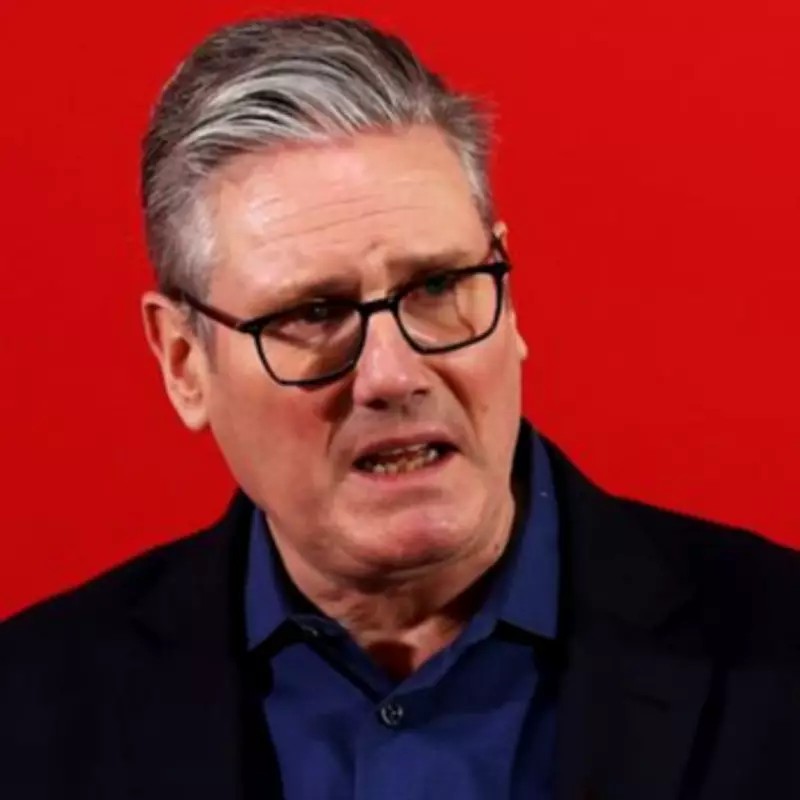
Keir Starmer's tenure as Prime Minister appears to be reaching its conclusion, with his personal authority and respect among colleagues evaporating at an alarming rate. The recent defenestration of Number 10 chief of staff Morgan McSweeney has failed to stem the bleeding, leaving the Prime Minister increasingly isolated and vulnerable.
A Terminal Crisis of Confidence
Political observers now believe Starmer's position has become untenable following a series of catastrophic misjudgments that have drained goodwill from both Labour MPs and the wider public. The Prime Minister's calamitous decision to appoint the controversial Peter Mandelson as US ambassador has proven particularly damaging, hardening the perception that Starmer's political instincts have deserted him entirely.
With fear draining away from the parliamentary party, emboldened Labour MPs and Cabinet ministers are now openly discussing potential successors and timing for a leadership change. Many anticipate Starmer will not survive beyond 2026, with the most likely trigger being Labour's expected poor performance in May's Welsh and Scottish national elections alongside English local contests.

The Mechanics of Removal
The exact mechanism for Starmer's potential removal remains uncertain. Options include a Cabinet revolt forcing resignation or a formal challenge triggered by 20% of Labour MPs nominating an alternative candidate. Potential successors being discussed include Deputy Prime Minister Angela Rayner, Health Secretary Wes Streeting, Energy Secretary Ed Miliband, Education Secretary Bridget Phillipson, Transport Secretary Lou Haigh, Commons Leader Lucy Powell, and Business Secretary Jonathan Reynolds.
Notably absent from consideration is Andy Burnham, who remains barred from rejoining Parliament as a Labour MP. All potential candidates possess distinct strengths and weaknesses, but with Labour trailing heavily in opinion polls, the mood is crystallizing around taking the gamble of leadership change.
Historical Precedents and Party Culture
The Conservative Party has demonstrated that switching leaders mid-term can yield electoral success, as evidenced by Margaret Thatcher's replacement with John Major and Theresa May's ousting in favor of Boris Johnson, both of whom went on to win subsequent general elections. However, Labour has traditionally been less inclined to devour its own leaders, with Gordon Brown surviving multiple coup attempts between 2008 and 2010.
Starmer lacks Brown's formidable political resilience, and the fundamental problems plaguing his premiership extend far beyond personnel changes. The winter fuel allowance cut controversy combined with the Mandelson appointment scandal has created irreversible bad blood that continues to poison relationships within the parliamentary party and damage public perception.
Constitutional Questions and Electoral Implications
While changing prime ministers between general elections is constitutionally permissible, such moves inevitably raise questions about democratic legitimacy. Only a general election confers popular acceptance of a new administration, creating potential complications for any successor who takes office without facing the electorate immediately.
A new Labour leader would likely enjoy an initial bounce in the polls, presenting a fresh face to sell the benefits of a revitalized government while highlighting Conservative policy failures, Reform UK's perceived extremism, Liberal Democrat inconsistency, and Green Party impracticality. Convention suggests a general election should be called within six months of a new prime minister taking office, creating substantial risks but potentially less dangerous than maintaining the status quo with a leader whose authority has clearly evaporated.
Broader Political Context and International Parallels
The Starmer crisis unfolds against a backdrop of international political turmoil, most notably in the United States where former President Donald Trump continues to dominate Republican politics despite multiple legal controversies. The contrast between British and American political accountability remains stark, though the Mandelson appointment has raised uncomfortable questions about ethical standards in Westminster.

Meanwhile, the ongoing controversy surrounding Prince Andrew's connections to Jeffrey Epstein continues to cast a shadow over the monarchy, with questions persisting about royal family knowledge and potential complicity. The estimated £12 million settlement that kept Andrew out of American courts has drawn criticism for what some perceive as feudal contempt for both survivors and public transparency.
As pressure mounts for full disclosure regarding Mandelson's ambassadorial appointment, parallel calls grow for Buckingham Palace to release all relevant documents concerning Andrew's activities as a trade envoy. The Starmer government's handling of these intersecting scandals may ultimately determine not just the Prime Minister's fate but the public's trust in Britain's political institutions more broadly.