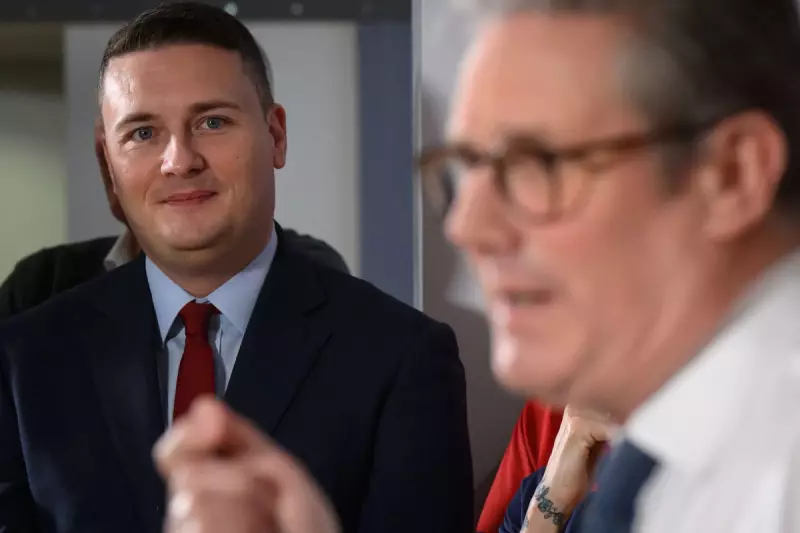
Health Secretary Wes Streeting has delivered a significant intervention on the economy, declaring that taxes are currently too high and calling for a stronger trading partnership with the European Union to drive growth.
Economic Vision: Lower Taxes and EU Links
In comments made on Sunday 21 December 2025, the senior Labour figure argued that forging a deeper economic relationship with Europe was crucial for Britain's prosperity. He pointed to the "massive economic hit" the country sustained following Brexit, indicating the government's ambition to build closer ties, though he explicitly ruled out any return to freedom of movement.
Streeting's critique of the tax burden marks a clear stance on fiscal policy, aligning with efforts to stimulate the UK's economic recovery. His dual focus on domestic taxation and international trade relations outlines a broader strategy for tackling financial challenges.

Leadership Loyalty and NHS Strain
When pressed on speculation about a potential future leadership challenge to Sir Keir Starmer, Streeting diplomatically avoided direct answers but was firm in his backing for the current party leader. He affirmed his "absolute support" for Starmer, laughing off suggestions of a secret deal with Deputy Leader Angela Rayner.
Turning to his departmental brief, Streeting addressed the ongoing industrial action by junior doctors. He stated the NHS was currently "coping" with the strikes but voiced serious concern about the service's ability to recover afterwards. He criticised the British Medical Association's "hardline" position, suggesting it was exacerbating the situation for patients and the health service's long-term resilience.
Reflections on Pressure and Future Ambitions
While reflecting on the immense pressures faced by the Labour leader, Streeting did not explicitly rule out a future bid for the top job himself. His comments, which balanced unwavering present-day support with an open-ended view of the future, are likely to fuel continued discussion about the party's longer-term direction.
The interview encapsulates the key tensions within the government: managing post-Brexit economic realities, calming internal party speculation, and dealing with acute pressure on public services like the National Health Service.