Tories Force Commons Vote to Scrap Fuel Duty Rise Amid Oil Price Surge
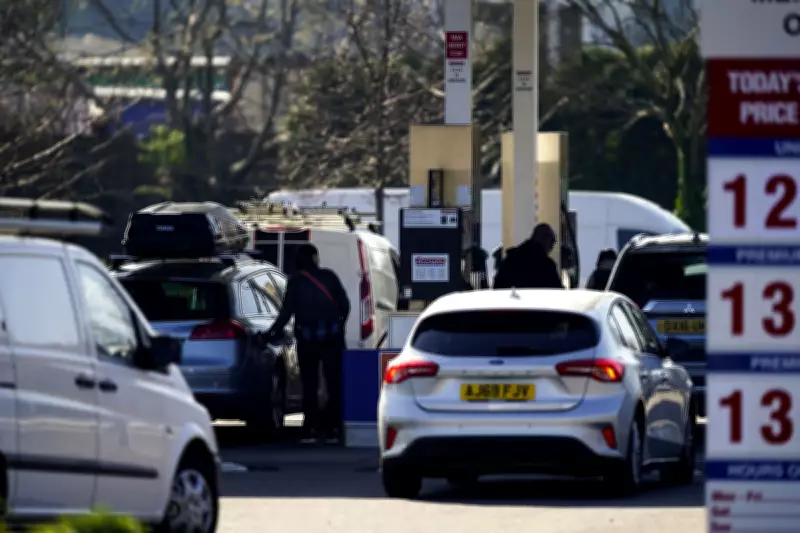
The Conservative Party is poised to compel a parliamentary vote aimed at abolishing a scheduled fuel duty increase, as escalating oil prices follow recent US-Israel military actions against Iran. Shadow Transport Secretary Ricard Holden condemned the planned hike as "another egregious tax" during the introduction of an Opposition Day motion on Wednesday, seeking to thwart the proposed September rise.
Oil Market Turmoil and Political Clash
Oil and gas prices have surged dramatically after Iran restricted critical shipping lanes through the Strait of Hormuz, with commercial vessels facing attacks in the region. This geopolitical tension has intensified the debate over fuel costs, placing additional pressure on household budgets across the United Kingdom.
Mr Holden criticised the increase as the "wrong thing to do," accusing the Labour Government of "choosing to balance the books on the back of working Britain." He argued that the move represents a betrayal of hard-working citizens who rely on affordable transport for daily activities.
Historical Context and Government Response
Fuel duty has remained frozen since 2011, with a temporary 5p per litre reduction implemented in 2022 in response to Russia's full-scale invasion of Ukraine. In last year's budget, Chancellor Rachel Reeves announced that this cut would be gradually phased out starting in September.
Under current proposals, fuel duty is set to rise by 1 pence per litre in September, maintaining levels consistent with the freeze introduced in March 2022. Mr Holden emphasised that this stealth tax unfairly targets motorists, vans, motorbikes, and buses, forcing them to subsidise broader welfare expenditures.
Treasury Defence and Political Realities
Treasury Minister Torsten Bell countered these claims, asserting that the Government acknowledges the significance of fuel costs and has already taken measures to ensure affordability. He highlighted the extension of the temporary 5p cut for an additional five months in November's budget, along with the cancellation of an inflation-linked increase planned for 2026-27.
Mr Bell stated that these adjustments would save the average motorist over £90, emphasising the administration's commitment to safeguarding both household and public finances. He also pointed out that the previous Conservative government never budgeted for a permanent extension of the 5p reduction and maintained higher fuel duty rates for most of its tenure.
Despite the Conservatives' vigorous opposition, the motion is expected to fail due to Labour's substantial majority in the House of Commons. This political showdown underscores the deepening divide over fiscal policy and energy security in a volatile global market.