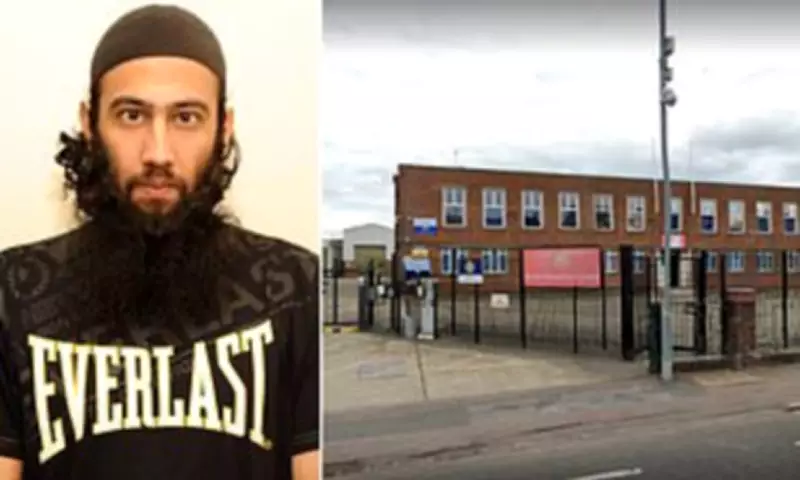
The Conservative Party has issued a stark warning that an Al Qaeda-inspired terrorist, who plotted to bomb a UK army base, must remain incarcerated after revelations emerged that he could be freed within weeks. In a strongly worded letter to Justice Secretary David Lammy, shadow Home Secretary Chris Philp has urged the minister to exercise his veto power over the parole board's controversial decision to release Zahid Iqbal three years ahead of his maximum sentence.
Details of the Terror Plot
Iqbal was a key member of a terrorist cell that meticulously planned an attack at a Territorial Army centre in Luton. Their sinister scheme involved using a remote-controlled toy car to deliver a homemade explosive device. The group's co-leader intended to construct the bomb following instructions from an Al Qaeda manual, infamously titled 'Make a bomb in the kitchen of your mom - by the Al Qaeda chef'.
In 2013, Iqbal and his co-conspirators were convicted and sentenced at Woolwich Crown Court. The 43-year-old admitted one count of engaging in conduct in preparation for acts of terrorism, receiving a 16-year prison term. His extended sentence included an additional five years on licence, reflecting the judge's assessment that he posed a continuing danger to the public.

Conservative Demands and Concerns
In the letter to Mr Lammy, which has been seen by the Daily Mail, Mr Philp expressed profound alarm about the parole board's ruling. He highlighted that both Iqbal's prison offender manager and community offender manager had recommended he remain behind bars. Mr Philp emphasised the statutory powers granted by the Victims and Prisoners Act 2024, which allow the Justice Secretary to veto release recommendations for criminals, including terrorists.
'We urge you to use this power to keep this dangerous criminal behind bars,' Mr Philp wrote. 'We all know the threat posed by Islamist extremism in this country. In Great Britain, Islamists are responsible for 94 per cent of all deaths caused by terrorism since 1999 and around 88 per cent of injuries caused by terrorism over the same period. We must take this threat seriously.'
Parole Board's Controversial Assessment
Despite the objections from offender managers, the parole board proceeded with its decision. A detailed report into Iqbal's case noted that he had undertaken an accredited programme to address extremist offending and had completed work to better understand his faith. The panel concluded that he no longer held an extremist ideology and that imprisonment was no longer necessary for public protection.
However, the report also acknowledged key concerns, including Iqbal's possession of an undisclosed phone while on licence, which constituted a breach of his conditions. The psychologist involved recommended release, but the prison and community offender managers both advised against it. The panel ultimately deemed the proposed release plan—which includes residing in designated accommodation and strict limitations on contacts, movements, and activities—as robust enough to manage risks in the community.
Connections and Previous Release
Iqbal is believed to have had connections to Khalid Masood, the perpetrator of the Westminster terror attack. Masood was investigated as part of the army base plot, and it is thought the pair may have known each other, potentially through a gym in Luton. Iqbal was initially released on parole in November 2021 but was recalled to prison in 2023 after multiple concerns were raised about his conduct.
Criticism from Victims and Experts
The decision has drawn fierce criticism from terror attack survivors and security experts. Jade Clough, who was injured in the Manchester Arena attack in 2017, stated that Iqbal's release terrified her. 'I have real fear he will carry out an attack. It's awful. Why not listen to the experts who know him?' she said.

Terrorism expert Colonel Richard Kemp, a former commander of UK forces in Afghanistan, described the ruling as 'extremely unwise'. He warned that it bears the hallmarks of the case of Usman Khan, the London Bridge attacker who was released before committing a horrific assault. 'The Parole Board has gone against the advice of experts. They are putting the lives of British citizens at risk. If this individual does attack, then the blood of his victims will be on the hands of the Parole Board,' Colonel Kemp asserted.
Co-conspirators' Status
In 2023, three other members of the terror gang—Umar Arshad, Syed Farhan Hussain, and Mohammed Sharfaraz Ahmed—were quietly released from prison. Arshad had been jailed for six years and nine months, Hussain for five years and three months, and Ahmed for 11 years. All four men had pleaded guilty to terrorism charges in March 2013, with recordings of them discussing bomb-making played in court, where they were observed smiling and giggling in the dock.
Sentencing them, Mr Justice Wilkie QC noted that Iqbal and Ahmed's persistent commitment to terrorist activity over a significant period marked them as particularly dangerous. The Daily Mail has approached the Ministry of Justice for comment on the ongoing controversy.