Tory Bid to Scrap Fuel Duty Increase Defeated in Commons Vote
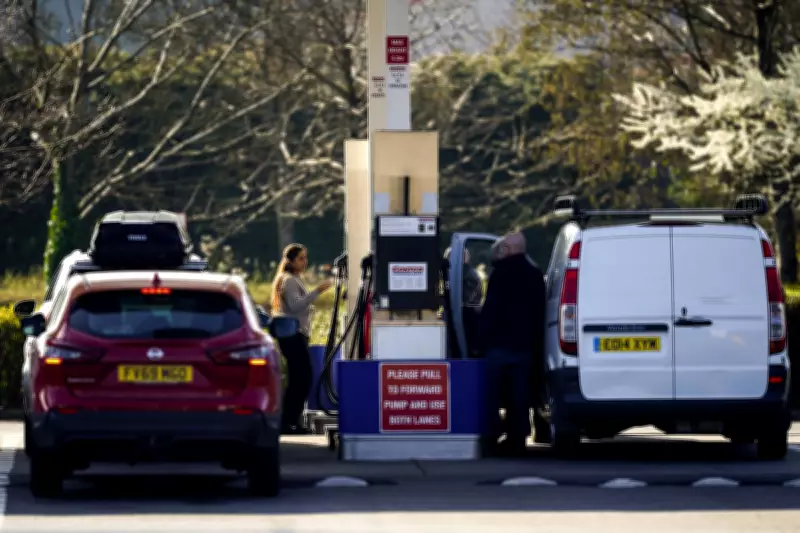
A Conservative attempt to scrap a planned fuel duty increase has been decisively defeated in the House of Commons, amid soaring oil prices triggered by recent US-Israel military actions against Iran. The Opposition Day motion, led by Shadow Transport Secretary Richard Holden, sought to block a proposed September rise in duty, but was rejected by 259 votes to 103, resulting in a substantial majority of 156 against the Tory proposal.
Geopolitical Tensions Drive Oil Price Volatility
The political debate unfolded against a backdrop of significant global energy market disruption. Oil and gas prices have been driven sharply upward as Iran has throttled key shipping routes through the strategically vital Strait of Hormuz, with multiple commercial vessels reportedly coming under attack in the region. This escalation follows coordinated US-Israel strikes on Iranian targets, creating a perfect storm of geopolitical tension and economic pressure.
Conservative Opposition Brands Increase "Egregious Tax"
Opening the debate, Richard Holden launched a scathing attack on the government's plans, branding the proposed duty increase "another egregious tax" and accusing ministers of "choosing to balance the books on the back of working Britain." He argued passionately that the House had gathered to discuss yet another burdensome transport tax being imposed by the Labour government at a time when citizens nationwide are deeply concerned about mobility costs.
"On this occasion," Holden declared, "the Government, in its infinite wisdom, has decided that this is the opportune moment to cancel the fuel duty freeze that the last Conservative government maintained for thirteen consecutive years. This policy protected hard-working people from paying additional sums simply to commute to employment, attend medical appointments, or visit friends and family."
Historical Context of Fuel Duty Policy
Fuel duty has remained frozen since 2011, with a temporary 5p per litre reduction implemented in 2022 in direct response to Russia's full-scale invasion of Ukraine. In her budget last year, Chancellor Rachel Reeves announced that this 5p cut would be gradually unwound beginning this September. Under current government plans, fuel duty will consequently rise by 1 pence per litre in September, returning to levels equivalent to the freeze introduced in March 2022.
Holden continued his critique, stating: "Under this Government, on top of the countless tax rises they've already burdened us with, we cannot even complete two years before they determine that the British people require yet another tax increase. Moreover, this constitutes a tax rise implemented in a particularly sneaky and stealthy manner."
He concluded emphatically: "The British people deserve better than underhand taxes swindling them out of the pounds in their pockets. And to pay for what? To finance expanded welfare provisions? This represents a tax on every car, every van, every motorbike, and every bus across the nation."
Government Defends Fiscal Responsibility
Treasury Minister Torsten Bell responded by acknowledging that "fuel costs matter enormously to people right across the country," while insisting the government had "already taken action to ensure that fuel remains affordable." He highlighted that November's budget extended the temporary 5p per litre cut to fuel duty for an additional five months and cancelled the inflation-linked increase planned for 2026-27.
"Our fuel duty changes will save the average motorist over £90," Bell asserted. "This Government will take the necessary decisions to help protect both household finances and public finances."
Addressing Conservative claims directly, the minister added: "For all the rhetorical froth from the shadow secretary of state, the truth remains that the last government did not budget for any extension of the 5p cut. They explicitly stated it was temporary. Regarding fuel duty levels, here is the factual reality: throughout their entire fourteen years in office, it was never lower than it is today. In fact, duty was higher than current levels for approximately eighty percent of their tenure."
Liberal Democrats Point to International Dimensions
Liberal Democrat rural affairs spokesman Tim Farron shifted focus to the international dimensions of the crisis, arguing that the United States needs to resolve the conflict with Iran to allow oil tankers safe passage through the Strait of Hormuz. "The Government's fuel duty rise exacerbates a problem which originated in the White House," Farron stated. "The United States must address the problem it created. It cannot fall to others to rescue it from failures to adequately consider consequences."
The defeat of the Conservative motion ensures the planned fuel duty increase will proceed as scheduled, setting the stage for continued political debate as households and businesses grapple with rising transport costs against a volatile international landscape.