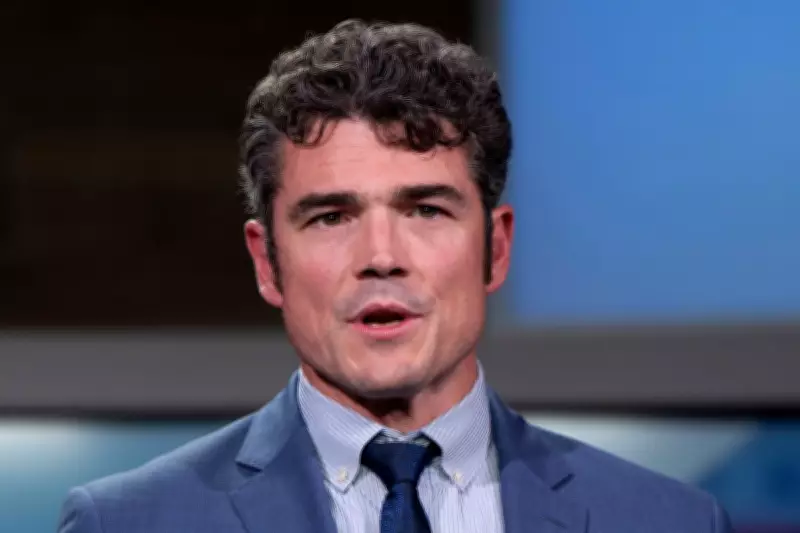
In a dramatic move that has sent shockwaves through the Trump administration, Joe Kent, the director of the National Counterterrorism Center, announced his sudden resignation on Tuesday. Kent, 45, cited profound concerns about President Donald Trump's military strikes in Iran, stating he "cannot in good conscience" support the ongoing war.
A Resignation Rooted in Principle and Protest
Kent's departure is not merely a bureaucratic shuffle; it is a pointed political statement. In his scathing resignation letter addressed directly to President Trump, Kent argued that Iran posed no imminent threat to the United States. He asserted that the war was initiated primarily due to pressure from Israel and its influential American lobby, a claim that strikes at the heart of the administration's foreign policy justifications.
Background and Confirmation of a Controversial Figure
A former political candidate with documented connections to right-wing extremist groups, Kent was a contentious appointment from the outset. He was confirmed to his post in July of the previous year by a narrow 52-44 Senate vote, highlighting the divisive nature of his nomination. As head of the National Counterterrorism Center, he was responsible for leading the agency tasked with analyzing and detecting terrorist threats globally, a role that gave his resignation significant weight within security circles.
The Letter: A Blistering Critique of War and Influence
Kent's full resignation letter, released publicly, offers a blistering critique. He praised Trump's earlier foreign policy, particularly the 2016, 2020, and 2024 campaign promises and first-term actions that avoided "never-ending wars." Kent highlighted operations like the killing of Qasam Soleimani and the defeat of ISIS as examples of decisive, limited military engagement.
However, he accused "high-ranking Israeli officials and influential members of the American media" of deploying a "misinformation campaign" that undermined Trump's "America First" platform. This campaign, Kent wrote, sowed pro-war sentiments to encourage conflict with Iran, deceiving the President into believing in a swift, necessary victory.
Drawing a direct parallel to the Iraq War, Kent warned, "We cannot make this mistake again." He emphasized that the same tactics used to draw the U.S. into that "disastrous" conflict were being repeated.Personal Sacrifice and a Plea for Change
Kent's personal history as a combat veteran deployed 11 times and a Gold Star husband—his wife Shannon was killed in a war he attributes to Israel—lent emotional gravity to his protest. "I cannot support sending the next generation off to fight and die in a war that serves no benefit to the American people," he wrote.
His letter concluded with a direct plea to Trump: "You can reverse course and chart a new path for our nation, or you can allow us to slip further toward decline and chaos. You hold the cards." This stark ultimatum underscores the high stakes Kent perceives in the current military trajectory.
Broader Implications and Internal Unease
This resignation is more than an individual act; it reflects deepening unease within Trump's political base and among senior administration officials regarding the Iran war. Questions about the justification for the use of force, once confined to critics on the left, now evidently extend to the right of Trump's own coalition and into the upper echelons of his government.
The timing and public nature of Kent's resignation amplify its impact, potentially fueling further dissent and scrutiny over the administration's Middle East strategy. As the U.S. navigates this complex conflict, the departure of a key counterterrorism figure over matters of conscience signals a significant rift that could influence future policy decisions and political dynamics.