Trump Administration Quietly Ends National Guard Deployments After Legal Setbacks
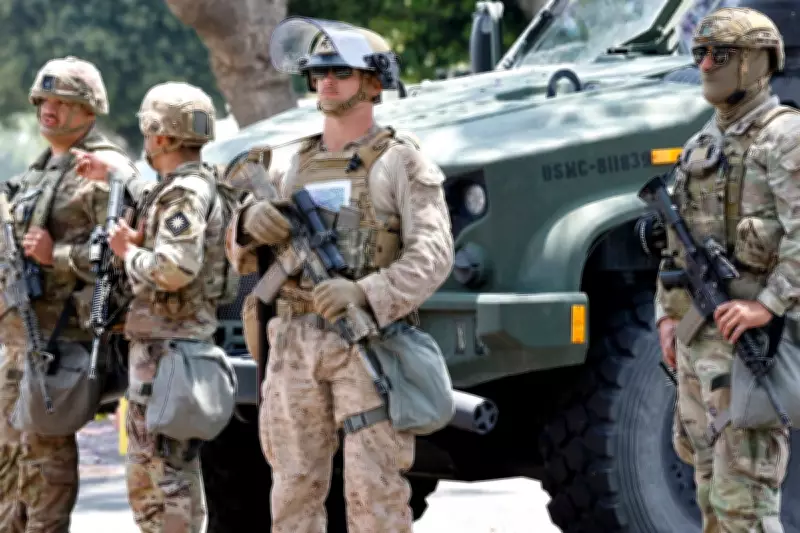
The administration of former President Donald Trump has discreetly withdrawn federalized National Guard troops from several Democratic-led cities, including Chicago and Los Angeles, following a series of court rulings that struck down the president's plans. This withdrawal concluded last month without any public acknowledgment from the White House or the Department of Defense, despite previous assertions that military assets were necessary to curb violent crime and support immigration enforcement on American streets.
Details of the Withdrawal and Court Interventions
According to reports first published by The Washington Post, the end of these deployments is mentioned only by the U.S. Northern Command, which stated that troops sent to Chicago, Portland, and Los Angeles have "completed demobilizing activities." This includes the withdrawal of more than 5,000 troops from California, approximately 500 troops from Chicago, and another 200 from Oregon, all directed by the president. The Pentagon confirmed that these service members were sent home by January 21.
Last year, Trump began ordering National Guard troops to various Democratic-led cities, a move that one federal judge criticized as creating "a national police force with the president as its chief." Legal challenges from state and local officials accused the administration of using American streets for political theater. In December, the Supreme Court blocked the administration from sending the military into Chicago, and Trump later announced the withdrawal of troops from other cities.
Supreme Court's Rejection of Administration Arguments
In December, the Supreme Court weighed in on the legal battle over military presence in Illinois, appearing to reject the administration's argument that protests against Trump's anti-immigration agenda were so volatile that only the National Guard, under his orders, could manage them. This ruling marked a significant rebuke of the president's attempts to deploy troops domestically.
The quiet conclusion of these deployments highlights the ongoing tensions between federal authority and local governance, as well as the legal limits on using military forces in civilian settings. This story continues to develop as further implications of the withdrawals are assessed.