Trump Criticises Starmer's Iran Stance, Claims UK 'Unrecognisable'
Trump Slams Starmer Over Iran, Says UK 'Unrecognisable'

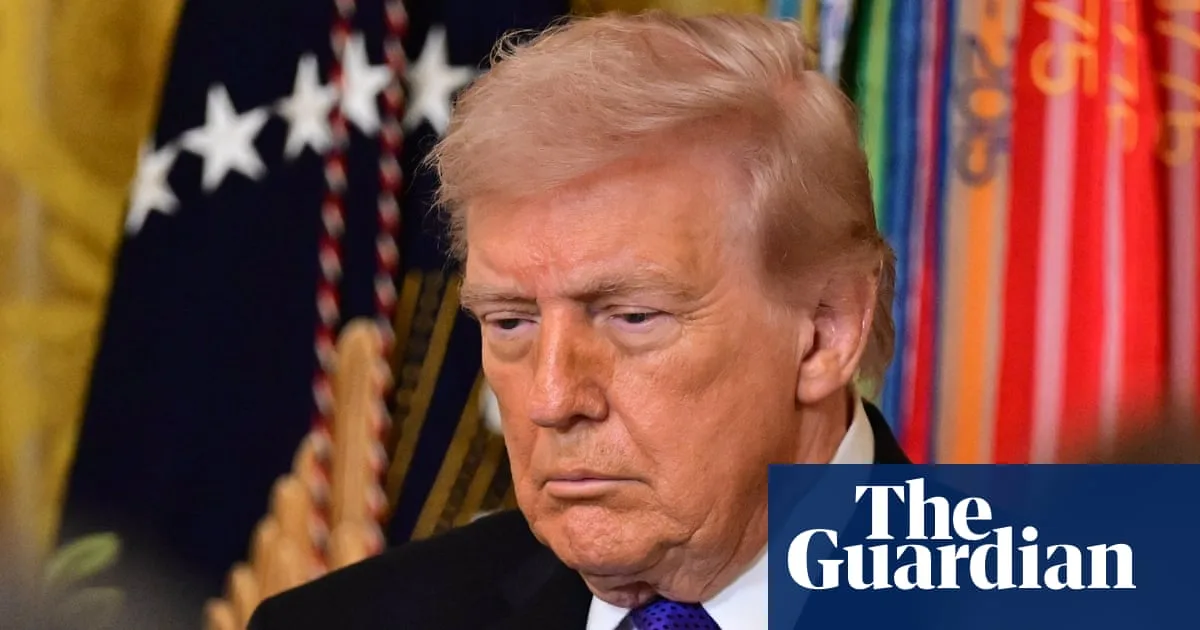
Former US President Donald Trump has launched a scathing critique of Prime Minister Sir Keir Starmer, suggesting his refusal to support military action against Iran is motivated by a desire to appease Muslim voters and is influenced by "foreigners that hate you." In remarks that have heightened transatlantic tensions, Trump expressed disappointment with the UK's stance, stating the country is "not such a recognisable country" anymore due to recent changes.

Trump's Blunt Assessment of UK Policy

Speaking candidly, Trump highlighted his affection for the UK and its people but lamented the deterioration of the Special Relationship. "He has not been helpful. I never thought I'd see that from the UK. We love the UK," Trump said, adding, "It's very sad to see that the relationship is obviously not what it was." He further criticised London as "a very different place, with a terrible Mayor," without specifying names, underscoring his view of the nation's transformation.

Starmer's Defence of National Interest

In response, Prime Minister Starmer defended his decision, emphasising a commitment to Britain's national interest and international law. "President Trump has expressed his disagreement with our decision not to get involved in the initial strikes, but it is my duty to judge what is in Britain’s national interest. That is what I have done, and I stand by it," Starmer stated. He reiterated that any military action must have a "lawful basis" and a "viable thought-through plan," implicitly questioning the US approach.

White House and Pentagon Reactions

The Pentagon voiced frustration with Starmer's cautious stance, with US Secretary of War Pete Hegseth praising Israel's role in the offensive while criticising European allies for their "pearl-clutching" legalistic hesitations. "Israel has clear missions for which we are grateful. Capable partners are good partners. Unlike so many of our traditional partners who wring their hands and clutch their pearls, humming and hawing about the use of force," Hegseth remarked, highlighting a divide in strategic approaches.

Political Backlash in the UK

Domestically, Starmer faced criticism from political opponents. Kemi Badenoch suggested the Prime Minister was distancing himself from US actions to avoid alienating Muslim voters and progressive supporters, accusing him of "pure, partisan, political calculations." Reform UK leader Nigel Farage labelled Starmer's hesitation as "pathetic," asserting, "Our Prime Minister is not a leader, he's a follower, and he looks weak in the eyes of everybody."

Military and Legal Context

The conflict escalated as Iran targeted civilian sites in Gulf states and RAF Akrotiri in Cyprus, prompting Starmer to partially reverse his position by allowing US jets to use British bases for limited strikes against Iranian missile launchers. However, he ruled out broader involvement in "regime change from the skies," citing lessons learned from the Iraq War. A legal opinion from Attorney-General Lord Hermer deemed the assault on Iran not justifiable as self-defence, despite Iran's history of attacks on Western targets.

Broader Implications and Regional Impact

The row unfolded amid significant regional turmoil:

  • Trump claimed the US was "knocking the crap" out of Iran, with more attacks anticipated.
  • European gas prices surged by 52% after Iranian strikes on production facilities in Qatar and Saudi Arabia.
  • Security sources warned Iran could sustain missile and drone attacks for at least another week.
  • Conflicts spread, with exchanges between Israel and Hezbollah in Lebanon, and Qatar downing Iranian fighter planes.
  • Three US jets were accidentally shot down over Kuwait, adding to the chaos.

Starmer hinted at behind-the-scenes pressure to increase defence spending, while former Tory security minister Tom Tugendhat argued there was "zero comparison" to the Iraq War, despite Trump's openness to deploying ground troops. As tensions persist, the episode underscores deep fissures in UK-US relations and the complex interplay of law, politics, and military strategy in global conflicts.