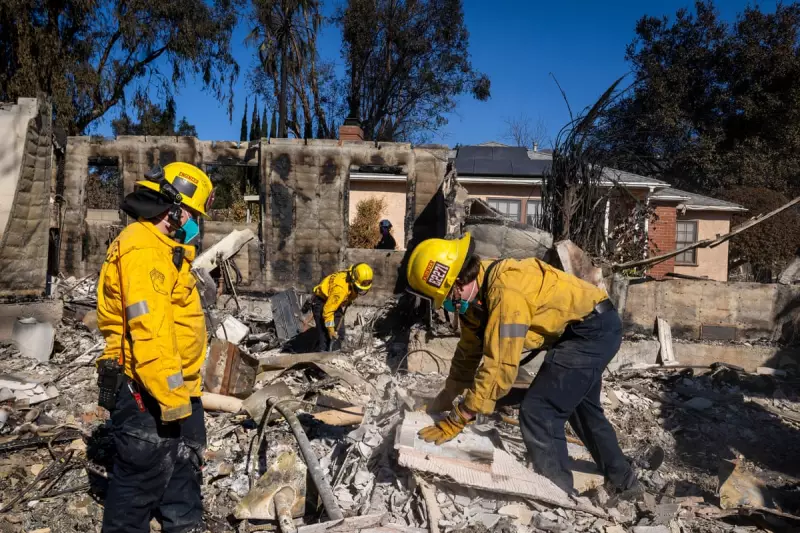
A controversial move by the Trump administration to slash staffing levels at the Federal Emergency Management Agency (FEMA) has ignited significant bipartisan concern. The proposed cuts, detailed in internal documents, are seen by critics as a direct threat to America's ability to respond effectively to hurricanes, wildfires, and other major catastrophes.
Scope of the Proposed Reductions
The plan, which was circulated among senior officials, outlines a significant reduction in FEMA's workforce. While specific figures from the original documentation remain central to the concern, the scale of the proposed cuts is understood to be substantial, targeting a wide range of roles within the agency. This comes despite FEMA's critical and high-profile role in coordinating the national response to an increasing number of climate-fuelled disasters.
Internal discussions revealed a stark focus on reducing personnel costs, with one memo bluntly stating the administration's aim to "reduce FTE" – or full-time equivalent – positions. The rationale appears rooted in a broader ideological push for a smaller federal government, but opponents argue it dangerously overlooks the operational reality of emergency management. The agency is already stretched thin managing ongoing recoveries and preparing for future events.

Bipartisan Backlash and Expert Warnings
The reaction from both sides of the political aisle has been notably critical. Key Republican figures, including a former senior FEMA official from the George W. Bush era, have voiced strong objections. This underscores the rarity and severity of the situation, as emergency preparedness has traditionally been an area of cross-party consensus.
Emergency management experts and former agency leaders have issued stark warnings. They contend that depleting FEMA's human capital would directly undermine its capacity to deploy teams, process aid for devastated communities, and support state-level responders during concurrent crises. The potential for a slowed and less effective federal response could leave millions of Americans more vulnerable in the aftermath of a disaster.
Broader Implications for US Resilience
This staffing proposal cannot be viewed in isolation. It follows a pattern of actions and appointments that have raised questions about the administration's prioritisation of disaster readiness. The plan signals a potential shift where the burden of response and recovery could fall more heavily onto ill-equipped state and local governments, as well as charitable organisations.
The timing is particularly alarming for communities across the United States that are facing longer and more intense disaster seasons. With the memory of catastrophic events like Hurricane Maria still fresh, the prospect of a deliberately weakened FEMA has generated profound unease among policymakers and the public alike. The debate now centres on whether the drive for smaller government is being pursued at an unacceptable cost to national resilience and security.