Trump's Grand White House Ballroom Plans Unveiled in New Architectural Renderings
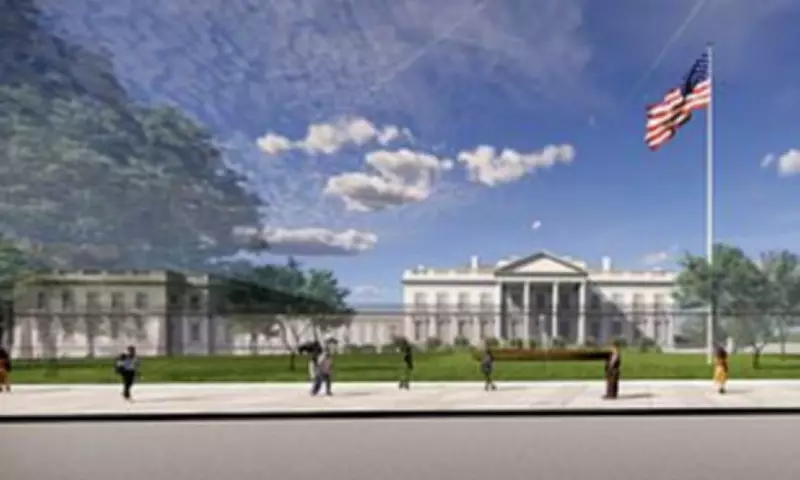
President Donald Trump's demand for a substantial new ballroom at the White House is taking shape, with recently released architectural images illustrating the project's considerable scale. Shalom Baranes Associates, the firm overseeing the design, submitted a comprehensive 28-page document to the National Capital Planning Commission (NCPC) for review at its upcoming March 5 meeting.
Concerns Over Size and Historic Integrity
During the NCPC's initial discussion of the ballroom in January, committee member Phil Mendelson, who also chairs the D.C. City Council, expressed reservations about the project's dimensions. "I'm concerned about the significant overwhelming of the original historic building," Mendelson stated. However, the latest plans indicate the project has not been reduced in size.
New renderings depict the ballroom attached to the White House, appearing nearly as tall as the main residence itself. Views from the South Lawn show the structure extending approximately three times farther than the West Wing, while the North Lawn perspective reveals a two-story building replacing the demolished East Colonnade.

Architectural Details and Features
The design includes several notable elements:
- A grand southern porch supported by sixteen pillars and an elaborate staircase.
- Office spaces to replace those previously occupied by First Lady Melania Trump and other aides in the East Wing, which was dismantled in October.
- Reconstruction of the White House theater within the new two-story structure.
- A majestic hallway on the second level leading directly to the ballroom.
President Trump has articulated his vision for using the historic East Room as a cocktail lounge preceding large dinners in the new ballroom, referring to a doorway there as a "knock-out panel" that will connect the spaces.
Preservation and Replanting Efforts
The project also addresses landscaping concerns. Distinctive trees from the Jacqueline Kennedy Garden, which were removed during demolition, are slated to be replanted in a similar location upon completion, as confirmed by the new documents.
Regulatory Hurdles and Legal Challenges
Despite Mendelson's objections, significant opposition from the NCPC is unlikely, as President Trump has appointed allies to the commission, including chairman Will Scharf, who also serves as White House staff secretary. Similarly, the Commission of Fine Arts, another oversight body, consists entirely of Trump appointees, such as the ballroom's original architect, James McCrery.
Nevertheless, the National Trust for Historic Preservation has filed a lawsuit to halt the project, arguing for proper historical review processes. Recent reports highlight that U.S. District Judge Richard Leon is examining the use of private donations to fund the estimated $400 million project, potentially circumventing Congressional approval. A ruling on whether the project can proceed is anticipated shortly.