Architect Slams Trump's White House Ballroom as Excessively Large
President Donald Trump's ambitious plan to construct a new ballroom at the White House has drawn sharp criticism from a prominent architect, who asserts the project is far too large and should be significantly scaled back. David Scott Parker, a Fellow of the American Institute of Architects and a member of the National Trust for Historic Preservation's board, voiced his concerns on Wednesday, highlighting potential permanent alterations to the nation's most iconic historic residence.
Federal Panels Review Controversial Project
Parker shared his analysis with The Associated Press as the National Capital Planning Commission, a key federal agency, prepared to convene on Thursday to vote on whether to approve the 90,000-square-foot (8,361-square-meter) development. This follows a separate federal panel, the U.S. Commission of Fine Arts, which granted its approval at a meeting in February. Parker, an architect with over 35 years of experience specializing in residential design and historic preservation, based his assessment on renderings and information submitted by the White House last month.
"Everything here feels inflated," Parker remarked. "The net effect of this is to adversely impact what is the most important historic—the most identifiable historic—house in the entire United States. This is permanent, what it will do to the White House."

Ballroom Size and Design Flaws Highlighted
The proposed ballroom itself occupies approximately 22,000 square feet (2,043 square meters) of the total space, which Parker contends is excessively large for accommodating the 1,000 guests Trump has cited. According to industry standards, a ballroom typically allots 15 square feet (1.4 square meters) per person. By this measure, Parker argues the ballroom could be reduced by 47%, making it no larger than 15,000 square feet (1,394 square meters).
Additionally, the project includes a 4,000-square-foot (372-square-meter) south-facing porch and staircase, which Parker deems unnecessary as they fail to provide direct access to the building's interior. He further noted that the porch does not comply with the Americans with Disabilities Act, a claim the White House countered on Wednesday by stating the ballroom would meet federal disability accommodation requirements, though no further details were provided.
Historical and Symbolic Concerns Raised
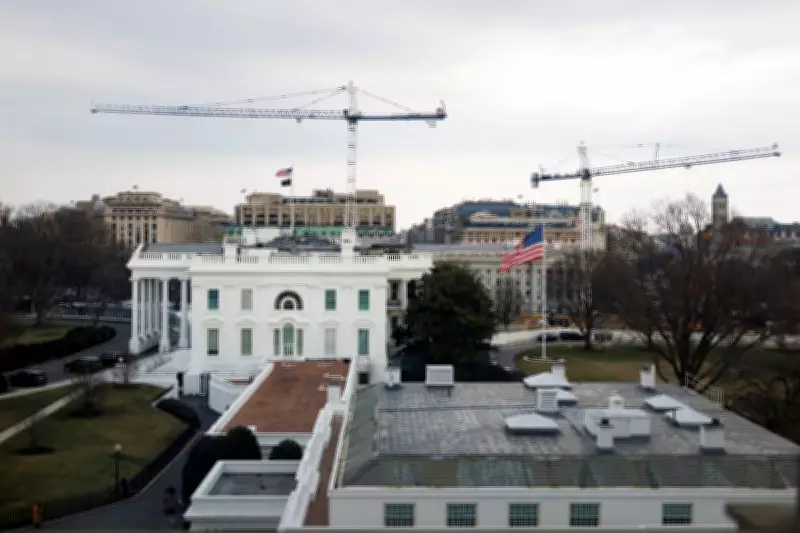
Critics have long expressed worries about the project's scale, noting it is nearly twice the size of the main White House, which measures 55,000 square feet (5,110 square meters). Parker emphasized that such an addition could overwhelm the mansion and disrupt the symmetry of the complex. His primary concern, however, revolves around the ballroom's potential to obstruct the historic sightline along Pennsylvania Avenue between the White House and the Capitol, a design intentionally crafted centuries ago by Pierre L'Enfant under George Washington's direction.
"It's hard to fathom that... one addition could have so many adverse impacts, symbolically, architecturally and historically," Parker stated. "This literally violates the Founding Fathers' intentions."
Legal and Public Opposition Mounts
Trump announced the ballroom project last summer, citing a need for space beyond temporary tents to entertain important guests. Demolition of the East Wing commenced in October with minimal warning, and underground construction has been ongoing since. White House officials have indicated that above-ground work would not begin before April at the earliest.
The National Trust for Historic Preservation, a private nonprofit group, sought a temporary halt to construction via a federal lawsuit, demanding that the White House submit plans to both federal panels and Congress for approval and allow public comment. U.S. District Judge Richard Leon rejected this request last week, though the Trust plans to file an amended lawsuit.
Parker is among more than 100 individuals registered to speak at Thursday's online commission meeting, according to the agency's website. Thousands of public comments have been submitted in advance, with many opposing Trump's project, underscoring the widespread debate over preserving the White House's historical integrity versus modern expansions.