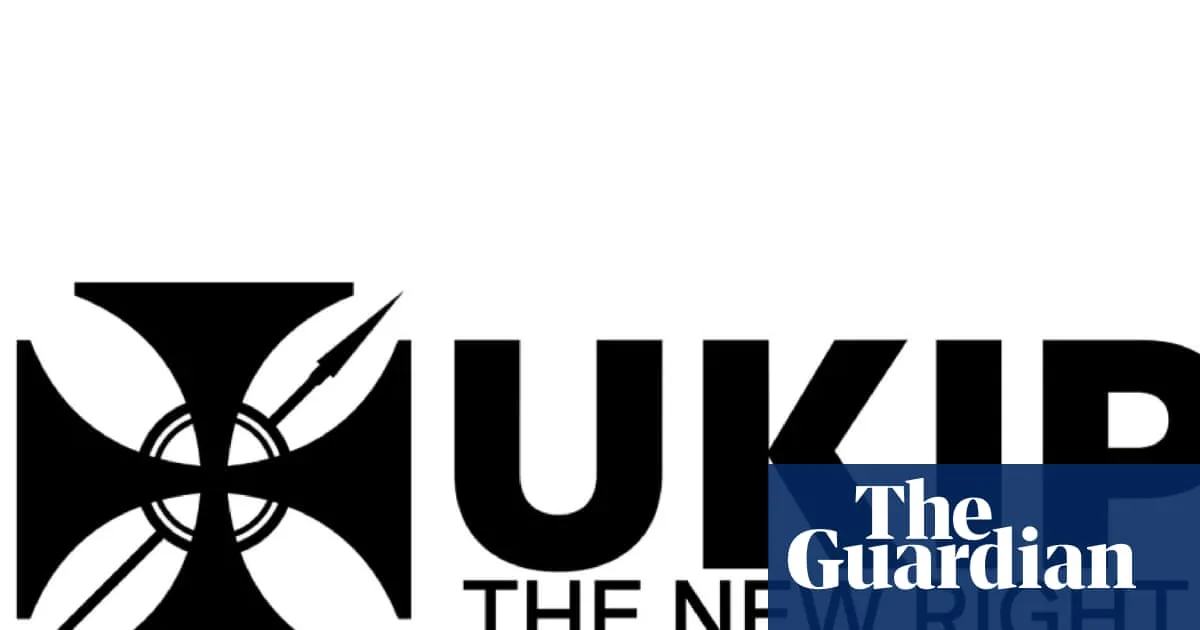
Anti-racism campaign group Hope Not Hate has criticised a proposed new logo for the UK Independence Party (Ukip), comparing it to the iron cross used by the German empire and later the Nazis. The Electoral Commission is currently assessing the application after a previous version was rejected in November.
The new logo features a black cross with the word 'Ukip' and 'The New Right' underneath, omitting a sword and spear that were present in the earlier rejected design. Sunder Katwala, director of the British Future thinktank, said the logo appears modelled on the iron cross used by Germany from 1871 to 1918 and by the Nazi regime from 1933 to 1945.
Hope Not Hate warned that approval could see the symbol on ballot papers, normalising far-right imagery. Joe Mulhall, the group's director of research, said Ukip has radicalised under leader Nick Tenconi, becoming a far-right organisation engaged in street politics. Tenconi has advocated deploying the military to deport Islamists, illegals and communists.

Ukip, once a significant electoral force winning 24 seats in the 2014 European elections, now has negligible representation. The party's website lists former Conservative MP Neil Hamilton as honorary president. A Ukip spokesperson defended the logo, saying it features the holy lance, eucharist and cross pattée, and called comparisons to Nazi symbols 'offensive, ignorant and Christophobic'.
The Electoral Commission confirmed it has received the application and will consider public comments before making a decision.