Venezuela's Parliament Debates Amnesty Bill to Free Political Prisoners
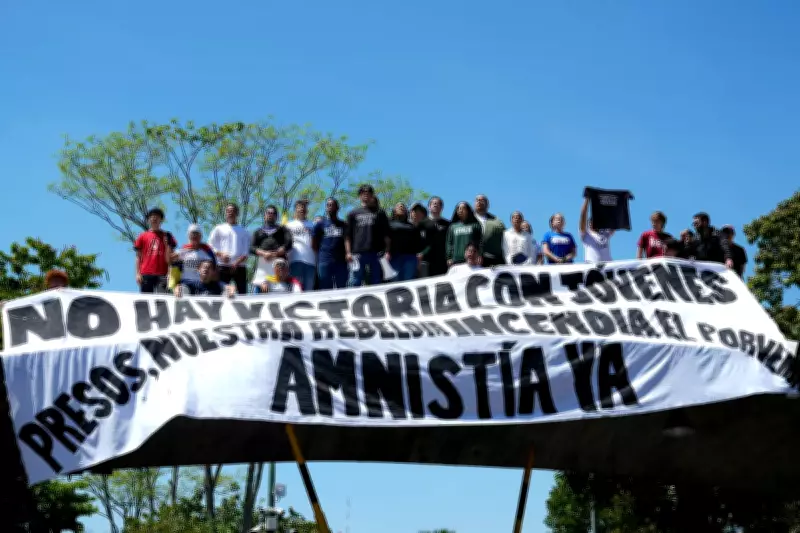
Venezuela's parliament, which is firmly under the control of the ruling party, is set to engage in a crucial debate on Thursday regarding an amnesty bill. This legislative proposal holds the potential to secure the release of hundreds of opposition members, activists, and human rights defenders who have been detained for months or even years due to political motivations.
A Stark Turn in Venezuelan Politics
The very act of debating this bill represents a significant and stark turn for Venezuela. For decades, authorities in the country have consistently denied the existence of any political prisoners, making this parliamentary discussion a notable departure from long-standing official positions.
Venezuela's acting President, Delcy Rodríguez, formally proposed the amnesty bill several weeks after a dramatic event. This followed the stunning raid on January 3, 2026, in the capital city of Caracas, where the U.S. military captured then-President Nicolás Maduro. On January 8, Rodríguez's government announced its intention to free a substantial number of prisoners.

Cautious Optimism and Implementation Concerns
While such an amnesty has been a central and persistent demand from opposition groups and human rights organizations for a long time, their reaction to the proposal has been one of cautious optimism. These groups have raised several important concerns regarding how the amnesty will be implemented in practice and precisely who will be deemed eligible for release under its provisions.
At the conclusion of the parliamentary debate, lawmakers are expected to proceed to a vote on whether to pass the bill into law. Once approved by the National Assembly, Acting President Rodríguez will sign it, formally enacting the legislation.
Recent Releases and Remaining Detainees
Since Rodríguez's initial announcement in January, the Venezuelan-based prisoners' rights organization Foro Penal has confirmed the release of at least 431 individuals. However, the group estimates that more than 600 people remain in custody, highlighting the scale of the issue.
Government's Stated Intentions and Eligibility Criteria
In her announcement last month, Rodríguez addressed a gathering that included justices, magistrates, ministers, military leaders, and other government officials. She stated that the ruling party-controlled National Assembly would take up the legislation with a sense of urgency.
"May this law serve to heal the wounds left by the political confrontation fueled by violence and extremism," Rodríguez said during a pre-taped televised event. "May it serve to redirect justice in our country, and may it serve to redirect coexistence among Venezuelans."
Rodríguez further clarified that the measure would cover the "entire period of political violence from 1999 to the present." She also outlined specific exclusions, noting that individuals convicted of serious crimes such as murder, drug trafficking, corruption, or human rights violations would not qualify for release under the proposed amnesty law.