Warren Endorses Candidate with Controversial Nazi-Linked Tattoo
Democratic Senator Elizabeth Warren has endorsed progressive candidate Graham Platner in the Maine Democratic Senate primary, despite Platner's past tattoo bearing Nazi connotations. This move comes after Warren previously criticized Secretary of War Pete Hegseth's Christian-themed tattoos as potential extremist threats.
Contrasting Responses to Tattoo Controversies
Warren, 76, expressed pride in endorsing Platner, 41, describing him as someone who would "actually deliver change for working people in the Senate." However, just last year, Warren raised serious concerns about Hegseth's "Deus vult" tattoo, which translates to "God wills it," suggesting it might represent "Christian expression associated with right-wing extremism."
In a 33-page letter during Hegseth's confirmation process, Warren referenced a Reuters report detailing how a National Guard master sergeant had flagged Hegseth's Jerusalem Cross tattoo as concerning. "We cannot have a defense secretary whose fellow service members feel concerned enough about to report as a potential insider threat," Warren wrote at the time.

Platner's Tattoo and Explanation
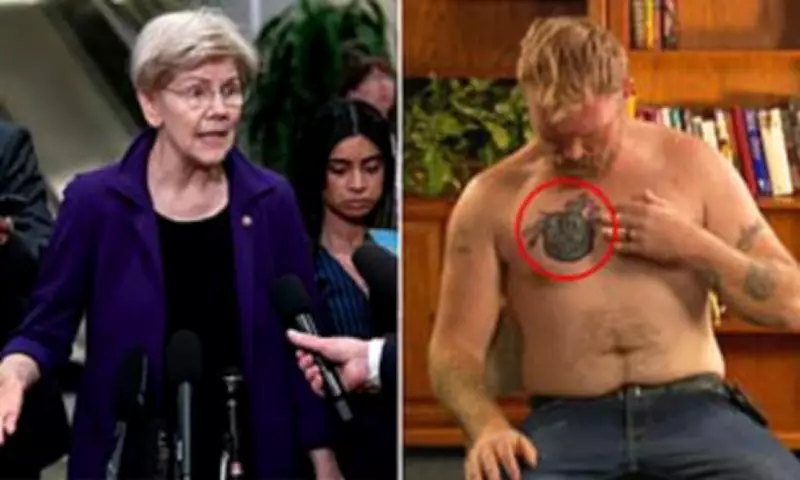
Platner's tattoo resembled a symbol associated with Adolf Hitler's paramilitary Schutzstaffel (SS) during World War II. The candidate claims he acquired the tattoo during a night of drinking in Croatia while unaware of its Nazi associations. He covered the design in October with different ink, citing limited removal options in rural Maine.
When questioned about Platner's past, Warren told HuffPost: "Look, he has apologized for that, and he's out there talking to the people of Maine every single day." She emphasized her endorsement stemmed from needing "more people here in Washington who are less about go along to get along, and more about fighting to make the kind of changes that families need."
Campaign Ad Highlights Controversy
Maine Governor Janet Mills, Platner's Democratic primary opponent, released a campaign ad this week referencing the tattoo controversy. The video, viewed over 1 million times on X, features a narrator stating "The closer you look, the worse it gets" while showing a magnifying glass over shirtless footage of Platner.
The ad also highlights controversial social media posts from Platner's past, including comments about sexual assault where he suggested women should "not get so f***ed up they wind up having sex with someone they don't mean to" and told potential victims to "act like an adult for f*cks sake." Women in the ad described these remarks as "horrible," "disqualifying," and "disgusting."
Additional Controversial Statements Surface
According to Politico, Platner's past online activity includes disparaging remarks about military disability benefits, where he wrote about knowing "guys who have no need for it" but "gamed it for the cash," while criticizing "welfare queens."
He also made racially charged comments about tipping practices, asking "Why don't black people tip?" and noting that while some left 15-20% tips, "usually it's between 0-5 percent." Platner further commented on US military engagements, stating America had "just spent 12 years inconclusively fighting two prohibitively costly wars against guys whose main method of transport is flip flops."
Apology and Context
Platner apologized for his Reddit posts in October, attributing them to struggles with post-traumatic stress disorder and depression after leaving the Army in 2012. He explained he "still had the crude humor, the dark, dark feelings, the offensive language that really was a hallmark of the infantry when I was in it."
Political Stakes in Maine
The Democratic primary winner will challenge incumbent Republican Senator Susan Collins, whose seat is crucial for Democratic efforts to regain Senate control. Platner, an oyster farmer and military veteran, faces Governor Mills in the primary contest.
During his confirmation hearing, Hegseth defended his Jerusalem Cross tattoo as a "Christian religious symbol," noting it appeared on the program for former President Jimmy Carter's memorial ceremony at the National Cathedral. Warren's contrasting approaches to the two tattoo controversies highlight the complex political calculations in high-stakes Senate races.