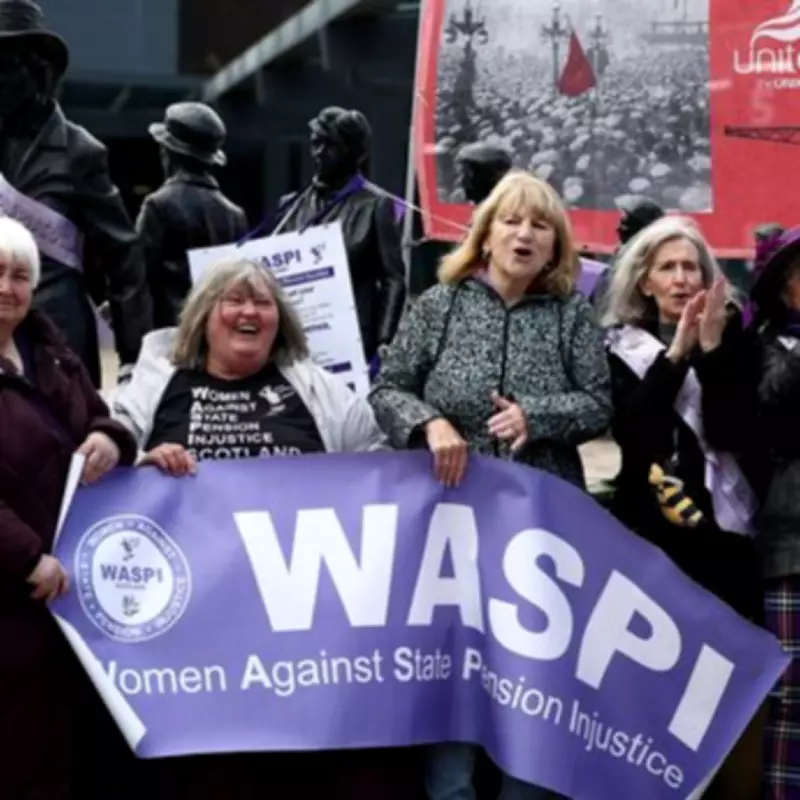
WASPI Women Continue Compensation Fight as Legal Battle Looms
The WASPI campaign, representing women born in the 1950s affected by state pension age changes, is preparing for a fresh court battle as they continue demanding compensation from the Department for Work and Pensions. Campaigners have issued a formal letter to the government threatening judicial review proceedings, giving officials just fourteen days to respond before escalating legal action.
Decade-Long Campaign for Justice
Women Against State Pension Inequality (WASPI) have been fighting for more than ten years after the state pension age for women was raised from 60 to 65, and subsequently to 66. The campaign argues that the DWP failed to provide adequate notice about these significant changes, leaving many women completely unaware until it was too late to adjust their retirement plans. This lack of proper communication has devastated the financial security of approximately 3.6 million women across the United Kingdom.
The Parliamentary and Health Service Ombudsman previously investigated the matter and found that the DWP had committed significant administrative errors. The watchdog specifically noted that the department should have contacted affected women much earlier about the pension age changes. Based on these findings, the ombudsman recommended compensation payments ranging from £1,000 to £2,950 for each affected woman.

Government Rejection and Legal Threats
Despite the ombudsman's recommendations, Labour ministers announced in January 2025 that there would be no compensation payments. Government officials claimed that most women were already aware of the pension age changes and that earlier correspondence would have made little practical difference to their situations. This rejection has only strengthened the resolve of WASPI campaigners, who now believe legal action is their only remaining option.
Hannah Martin, pensions specialist and founder of Rich Retiree, commented on the situation: "While I'm not a legal expert, I do know not to underestimate a determined, angry group of women. The WASPI campaign has confirmed that their legal team is intending to highlight 'legal errors' in the Government's decision-making."
Campaigners have made it clear they are prepared to take their fight all the way to the High Court if necessary. Martin added: "This battle is a long way from over. Given that it impacts 3.6 million women, and they are justifiably feeling hard done-by and angry, this is not going to go away quietly."
Complex Compensation Calculations
The question of appropriate compensation remains complex and contentious. Martin explained: "How much compensation should be paid is a hard call, as the financial impact is not the same for every woman. Whilst a flat payment would be simpler to administer, there could be some women who are still left out of pocket, whereas others receive more than they lost. Some kind of simplified graduated scheme would be fairer."
The specialist noted that the WASPI issue touches on multiple sensitive topics that resonate beyond the immediate campaign, including:
- Pension security and retirement planning
- Cost of living pressures on older citizens
- Gender disparities in financial security
- Public trust in government institutions
Political Support and Public Sympathy
Public backing for the WASPI movement remains substantial, with support from several political parties including the Liberal Democrats, the Scottish National Party, and the Green Party. The campaign has attracted backing from numerous Members of Parliament across party lines throughout its decade-long existence.
Martin observed: "It's an easy cause for any party or politician looking to win over an influential section of the voting population. The controversy will remain a hotly debated issue for some time, as it gains sympathy from other groups struggling with similar financial security concerns."
As the fourteen-day deadline approaches for the DWP to respond to the judicial review threat, all eyes remain on whether the government will reconsider its position or face a protracted legal battle with determined campaigners who have shown remarkable resilience throughout their long fight for compensation and recognition.