In the bustling political landscape of New York, one name continues to generate significant attention: Zohran Mamdani. This dynamic state assembly member represents Queens and has become a prominent voice for progressive values within New York's Democratic circles.
A Political Journey Forged in Queens
Since his election to the New York State Assembly in 2020, Mamdani has established himself as a formidable force in state politics. His constituency in Queens has become a testing ground for progressive policies that challenge traditional political norms.
What makes Mamdani's political narrative particularly compelling isn't just his current position, but the remarkable family tapestry from which he emerges.
An Extraordinary Family Legacy
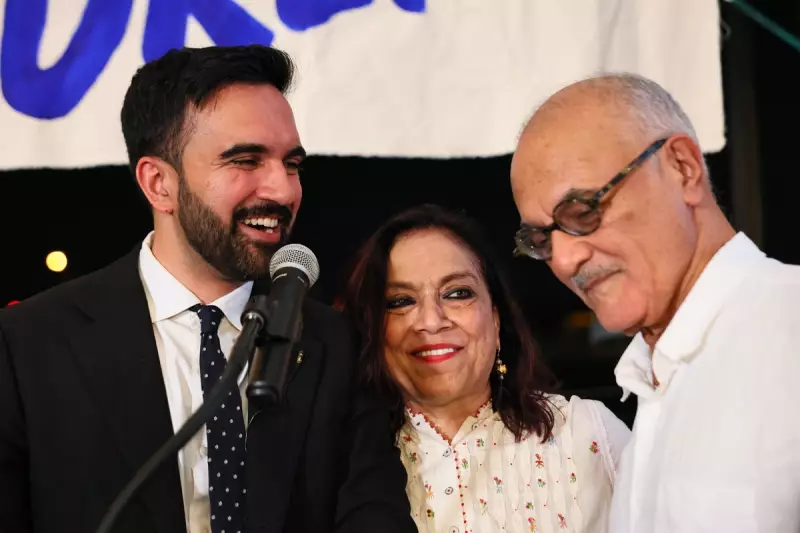
Zohran Mamdani's political story is deeply intertwined with his family's extraordinary achievements across different fields. His mother, Mira Nair, stands as one of the most celebrated filmmakers of our time, with acclaimed works like Monsoon Wedding and Salaam Bombay! earning international recognition.
Meanwhile, his father, Mahmood Mamdani, has built an impressive reputation as one of Africa's leading intellectuals and political theorists. Currently serving as director of the Makerere Institute of Social Research in Kampala, Uganda, the elder Mamdani's work has influenced academic discourse across continents.
Carving an Independent Political Path
Despite his parents' significant accomplishments in their respective fields, Zohran Mamdani has deliberately forged his own political identity. His alignment with the Democratic Socialists of America positions him at the forefront of progressive movements seeking to reshape American politics from the ground up.
Mamdani's political philosophy reflects a unique blend of theoretical understanding inherited from his academic father and the cultural storytelling sensibilities that undoubtedly flow from his filmmaker mother.
The Future of Progressive Politics
As Mamdani continues his work in the New York State Assembly, political observers watch closely to see how this unique blend of cultural heritage and progressive ideology will influence both local politics and broader political conversations.
His journey represents an intriguing case study in how the next generation of political leaders are drawing from diverse backgrounds to create new approaches to governance and public service.