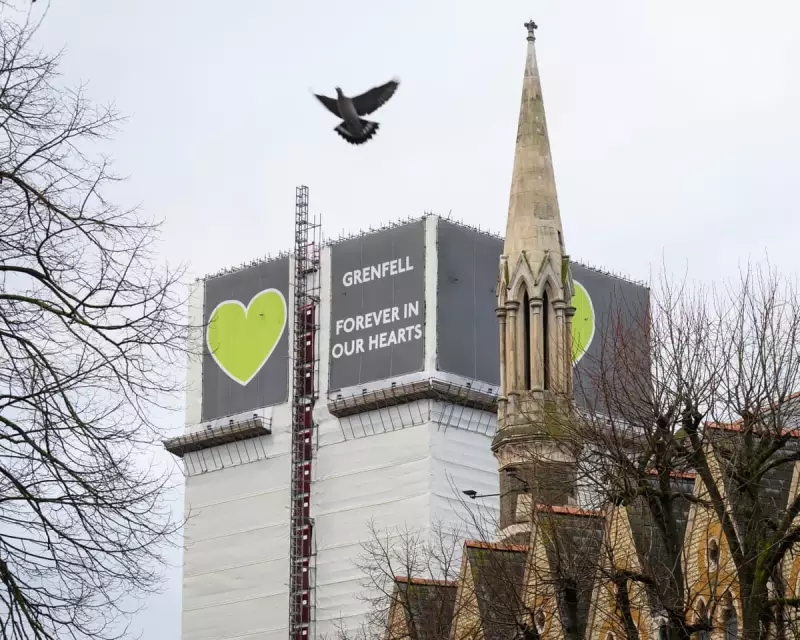
Ministers are facing mounting pressure to block companies implicated in the Grenfell Tower disaster from winning lucrative public sector contracts. The call comes from campaigners and cross-party MPs who argue that firms with a role in the 2017 fire, which claimed 72 lives, should not profit from taxpayer money.
Cross-party demand for procurement reform
A coalition of voices, including survivors' groups and politicians, has urged the government to implement stricter rules for public procurement. They want a formal mechanism introduced that would prevent contractors and subcontractors linked to the Grenfell refurbishment from being awarded public work. This push aligns with a broader movement seeking corporate accountability for the tragedy, where flammable cladding was a key factor in the rapid spread of the fire.
Labour MP Bell Ribeiro-Addy, whose constituency includes the Grenfell site, has been a vocal proponent of this change. She has highlighted the apparent contradiction of firms involved in one of the UK's worst modern disasters continuing to secure government contracts. "It is a profound insult to the bereaved and survivors," she stated, emphasising the need for ethical procurement standards.

Government response and ongoing scrutiny
In response to the demands, a government spokesperson pointed to existing measures designed to assess supplier conduct. They cited the Procurement Act 2023, which includes provisions to exclude suppliers based on past misconduct. However, critics argue that the application of these rules in cases related to Grenfell has been lacklustre and inconsistent.
The issue gained renewed attention following reports that some companies which manufactured or installed materials for the tower's refurbishment have continued to win significant public sector work. This includes contracts within housing, infrastructure, and other construction projects funded by local and central government.
Broader implications for construction safety
The campaign extends beyond immediate contract awards. It is intrinsically linked to the wider building safety crisis that emerged in the wake of Grenfell. Campaigners argue that allowing implicated firms to operate freely in the public sector undermines efforts to reform the construction industry and restore public trust.
The Grenfell Tower Inquiry, which is ongoing, has uncovered a chain of failures involving manufacturers, contractors, and certifiers. The push for a procurement ban is seen as a tangible step towards ensuring that the consequences of those failures are felt corporately, not just legally. The bereaved and survivors view it as a matter of basic justice, asserting that those responsible for creating an unsafe building should not be rewarded with public funds.
With the final report of the inquiry anticipated, pressure on the government to take decisive action on this front is likely to intensify. The debate strikes at the heart of how the state manages its commercial relationships and the values it prioritises in the wake of a national tragedy.