Professor Steve Brusatte, a palaeontologist at the University of Edinburgh, reveals the fascinating story of how dinosaurs evolved into modern-day birds. In his latest book, The Story of Birds, he explores why birds never grew as large as T. rex and how they survived the asteroid that wiped out their dinosaur cousins.
The Dinosaur-Bird Connection
Birds are not just descendants of dinosaurs; they are dinosaurs themselves. They belong to the theropod group, which includes T. rex and Velociraptor. Over millions of years, some theropods became smaller, developed wings, and took to the skies. The idea that birds evolved from dinosaurs dates back to the 1860s, when Thomas Henry Huxley first noted skeletal similarities. However, it fell out of favour as giant dinosaur fossils were discovered. Only in recent decades, with the discovery of feathered dinosaurs, has the scientific consensus solidified.
Why Birds Didn't Get Bigger
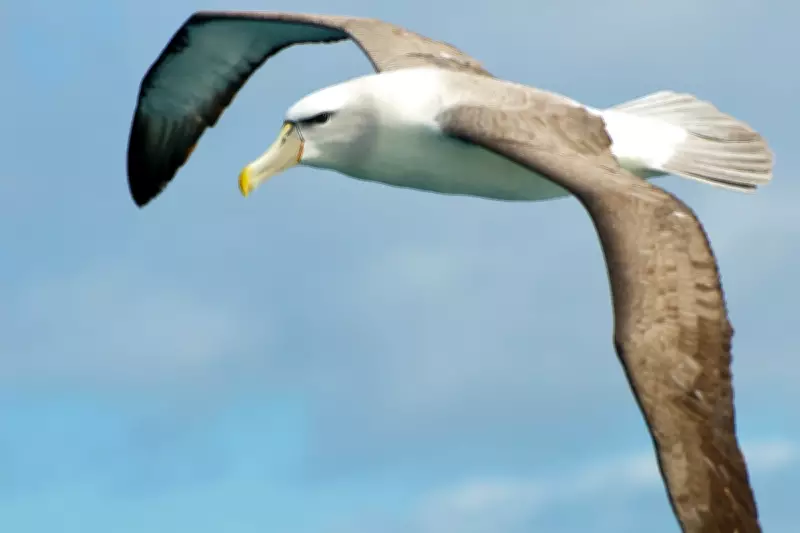
Flying animals that flap their wings cannot become too large. The largest flapping flyers today, like the wandering albatross, have a wingspan of about 3.5 metres. Extinct birds like the Pelagornithids reached 7 metres, but beyond that, flapping flight becomes impossible. The dinosaurs that evolved into birds had been shrinking for tens of millions of years, eventually becoming small enough to fly.

How Birds Survived the Asteroid
When an asteroid struck Earth 66 million years ago, it caused a mass extinction. Most dinosaurs died, but modern-style birds survived. They had beaks instead of teeth, could grow quickly, and could eat seeds, which were among the last foods available during the nuclear winter. Their small size allowed them to hide from the devastation.
The Evolution of Wings and Flight
Feathers evolved long before flight, likely for insulation. Wings first appeared on dinosaurs the size of sheep or horses, but were too small for flight. Scientists believe wings initially evolved for display, to attract mates or intimidate rivals. Over time, they became large enough for aerodynamic lift, and natural selection refined them for flying.
The Rise of Modern Birds
After the asteroid, birds underwent a rapid evolutionary explosion. DNA studies suggest that many modern groups, such as owls, parrots, and hawks, appeared soon after the extinction. Fossils from the Paleocene show penguins, mousebirds, and other modern forms. However, direct fossil evidence for this 'big bang' is still being sought.
Extinct Giant Birds
In the ecological vacuum after the asteroid, some birds became gigantic. South America had 'terror birds' that stood taller than a person, with massive hooked beaks. Australia had 'demon ducks' heavier than cows. New Zealand's moa and Madagascar's elephant bird were among the heaviest birds ever, laying eggs the size of watermelons. Many of these flightless giants went extinct after humans arrived.
Bird Intelligence and Song
Birds are highly intelligent. Crows make tools, parrots mimic speech, and songbirds learn complex songs. Relative to body size, bird brains are comparable to mammals. For much of history, birds were likely the cognitive superstars, only recently eclipsed by primates. Songbirds originated in Australia about 50 million years ago and spread worldwide in the last 20 million years.
Remaining Mysteries
Palaeontologists still seek the earliest birds before Archaeopteryx, which lived 150 million years ago. Fossils from the Late or Middle Jurassic could reveal how flapping flight truly began. Each new discovery adds complexity to the story of how dinosaurs became the birds we see today.