The aftermath of England's crushing 4-1 Ashes series defeat in Australia, which saw the urn surrendered within just 11 days of play, has triggered a significant review by the England and Wales Cricket Board. While initial findings suggest stability for one key figure, the future of another hangs precariously in the balance, with a major global tournament set to be decisive.
Rob Key's Position Strengthens After Conceding Need for Change
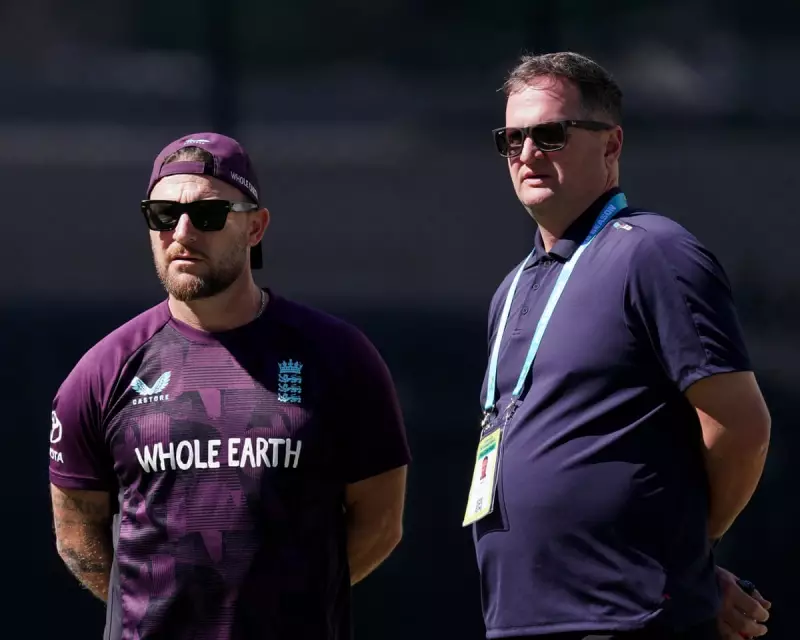
Rob Key, the managing director of England men's cricket, is understood to have emerged from the early stages of the ECB's internal review with his position looking increasingly secure. Key has reportedly held discussions with ECB chief executive Richard Gould and chair Richard Thompson, taking personal responsibility for aspects of the failed Ashes campaign.
He is believed to have acknowledged shortcomings in England's preparation and certain selection missteps during the tour. Crucially, Key has indicated a willingness to adapt and implement changes moving forward. This concession is viewed as a pivotal factor likely to ensure his continued tenure, with the ECB keen to avoid the kind of widespread clearout that followed the previous Ashes debacle four years ago.

ECB Seeks Stability Over Sweeping Changes
The board's review is ongoing, but there is a clear concern that repeating the mass departures of 2022—which saw coach Chris Silverwood, director of cricket Ashley Giles, and captain Joe Root all exit—would be counterproductive. The fear is that such drastic action could hinder the ability to properly learn from the Australian defeat and potentially initiate another damaging cycle of failure.
Not all roles are under equal scrutiny. Ben Stokes's position as Test captain is not considered part of this review process. The 34-year-old has already expressed his desire to continue leading the side, with his leadership seen as vital for the balance of the team ahead of the next home Ashes series in 18 months.
Brendon McCullum's Future Rests on White-Ball Performance
In stark contrast to Key's situation, the future of head coach Brendon McCullum remains shrouded in uncertainty. His fate is now intrinsically linked to England's performance at the imminent T20 World Cup. While McCullum retains some support within the ECB for revitalising the Test team's morale and delivering exciting cricket after the attritional era under Silverwood, his record in charge of the white-ball setup is a significant cause for concern.
Since being appointed to oversee both red and white-ball cricket by Key twelve months ago, McCullum's limited-overs results have been poor. England endured a disastrous Champions Trophy campaign last year, losing all three of their group matches. Another underwhelming global tournament in India next month could precipitate a premature end to his four-year contract.
Philosophical Divide and Recent Incidents
The review has highlighted a potential philosophical divide. While Key appears to accept the need to tighten England's sometimes overly relaxed approach under McCullum's leadership, the coach himself has publicly questioned whether he would be receptive to external instruction. Following the final Ashes Test defeat, McCullum stated his firm beliefs in his methods and implied he was not open to being told what to do.
Some adjustments are already being implemented in the white-ball environment. Carl Hopkinson has been brought in as fielding coach for the World Cup and the preparatory tour of Sri Lanka. Furthermore, a midnight curfew has been imposed on players in Sri Lanka following an incident involving captain Harry Brook and a nightclub bouncer in New Zealand.
As the ECB's review continues, the narrative is clear: one architect of the current regime has likely secured his position through contrition and a promise of evolution, while the other faces a definitive trial by tournament, with his entire coaching tenure on the line.