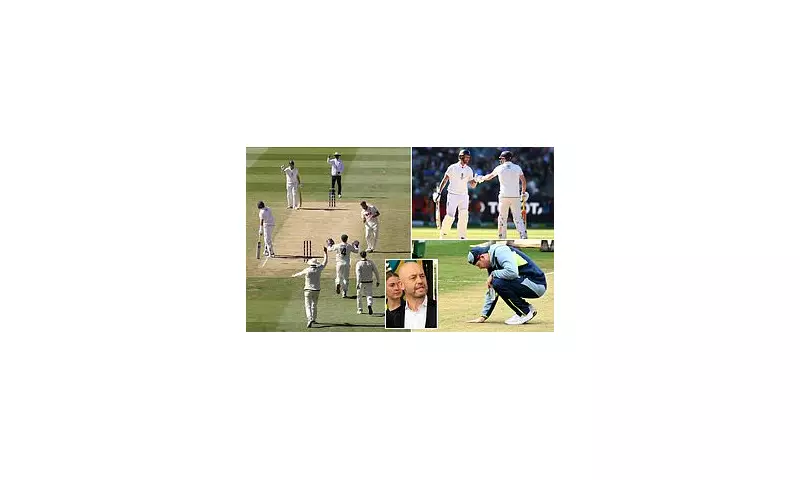
Cricket Australia is staring down the barrel of a colossal financial loss, estimated at a staggering $25 million (£12.44 million), after England secured a historic two-day victory in the Boxing Day Ashes Test at the Melbourne Cricket Ground (MCG). The win ended a 14-year wait for an England Test triumph on Australian soil, but the brevity of the match has triggered a storm of controversy over the pitch and its severe commercial repercussions.
A Two-Day Spectacle and Financial Carnage
The marquee Boxing Day fixture, traditionally a major revenue driver, was over inside just two days after a mere 110 overs. A remarkable 36 wickets tumbled as batters from both sides struggled on a heavily grassed MCG surface. While record crowds of 94,199 and 92,045 packed the stadium on days one and two, the premature finish meant tickets for days three and four were rendered useless, and broadcasting schedules were left with gaping holes.
This financial disaster compounds earlier losses from the first Test in Perth, also a two-day affair, which reportedly cost Cricket Australia around $4 million (£1.99 million). The governing body was already on shaky ground, having posted losses of $30 million in 2023-24 and a further $11.3 million in 2024-25.

‘Short Tests Are Bad For Business’: CEO’s Blunt Assessment
Cricket Australia’s chief executive, Todd Greenberg, did not mince his words when addressing the debacle. “The short answer for that, in my opinion, is yes,” Greenberg said when asked if 20 wickets in a day was excessive. “A simple phrase I'd use is: ‘Short Tests are bad for business’. I can't be much more blunt than that.”
Greenberg admitted to losing sleep over the prospect of another truncated match and signalled a major shift in the organisation’s hands-off approach to pitch preparation. “Historically, we have taken a hands-off approach… But it's hard not to get more involved when you see the impact on the sport, particularly commercially,” he stated, emphasising the need for a better “balance between bat and ball.”
Cricket Legends Unite in Pitch Criticism
The condition of the MCG wicket has been universally panned by players and pundits alike. Australian stand-in captain Steve Smith called it “tricky,” adding, “no one could really get in.” He suggested grounds staff should reduce the grass cover from 10mm to 8mm. Former fast bowler Jason Gillespie argued the surface “has done too much,” preventing batters from implementing any sustained strategy.
England’s victorious captain, Ben Stokes, was equally scathing, indicating he would give the match referee poor feedback on the pitch. Sky Sports pundit Nasser Hussain delivered a poignant critique, suggesting MCG icon Shane Warne would have found the surface “unacceptable” for nullifying the role of spin bowling.
The match was a jarring throwback, marking the first two-day Ashes Test since 1921, when Australia won by 10 wickets at Trent Bridge.
A Silver Lining Amid the Chaos
In a small gesture of positivity emerging from the chaos, administrators at Perth Stadium—scene of the first two-day Test—managed to donate vast quantities of unused food to charity. The donation, the largest ever received by food rescue organisation OzHarvest, included:
- 20 pallets of fruit and vegetables
- 4 pallets of sandwiches
- 4 pallets of dairy products
- 2 pallets of bread
Optus Stadium CEO Mike McKenna noted that chefs had worked to preserve other unused ingredients, calling the charitable effort “a silver lining” for the stadium team.
The 2025 Ashes will now be remembered not only for England’s long-awaited victory but for a financial and sporting controversy that has forced a fundamental rethink of how the game’s most prestigious series is presented.