Manchester United are confronting intensified financial challenges following their significant decline in the prestigious Deloitte Money League rankings, with projections indicating potential further slippage in the coming year.
Historic Low in Revenue Rankings
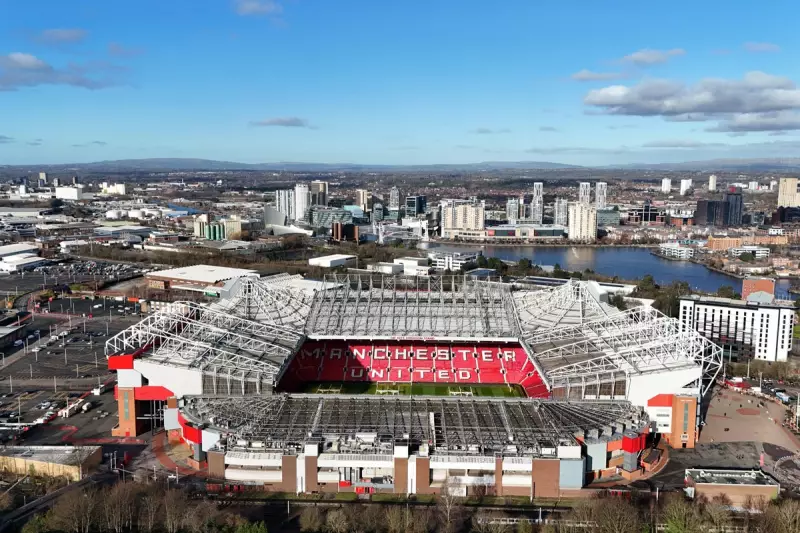
The club has tumbled to its lowest ever position in the annual Deloitte Money League study of football clubs' income, sliding four places to eighth for the 2024-25 season. This placed United only fourth among English clubs, trailing behind Liverpool, Manchester City, and Arsenal in revenue generation.
Matchday and Broadcast Revenue Decline
United are preparing for a substantial reduction in both matchday and broadcast income for the current financial year, directly attributable to their disappointing performances on the pitch. The club's early exits from both the Carabao Cup and FA Cup at the first hurdle have resulted in just 20 home fixtures this season, compared to 30 in the previous campaign.

Compounding these challenges, United will receive no European broadcast income after finishing a disappointing 15th in the Premier League last season and suffering defeat in the Europa League final under manager Ruben Amorim.
Commercial Strength Amidst Difficulties
Despite these setbacks, United point to their rising commercial income as evidence of the underlying strength of their business model. The club recorded its highest ever revenue last season at £666.5 million, achieved without the financial benefits of Champions League participation.
This remarkable figure was supported by £333 million in commercial income, representing a significant 10 percent increase. United have projected their revenue for the current year will fall within the range of £640 million to £670 million.
Competitive Landscape Shifts
The financial landscape is becoming increasingly competitive, with Tottenham Hotspur and Chelsea – who placed ninth and tenth respectively in last season's Money League – both now competing in the Champions League. This development could potentially widen the revenue gap between United and their domestic rivals.
Nevertheless, United's enduring appeal to sponsors and their vast global fanbase was demonstrated as they recorded the highest revenue of any club not participating in the Champions League last season. They are also projected to post the largest revenue of any club not involved in European competition this season.
Cost Management and Restructuring
In response to these financial pressures, United have implemented several cost-control measures. The club has successfully reduced its wage bill, with Liverpool, Manchester City, and Chelsea all expected to pay higher player salaries this season.
Following co-owner Sir Jim Ratcliffe's assumption of control, United embarked on a significant cost-cutting initiative that resulted in 450 staff members losing their jobs as part of broader restructuring efforts.
On-Pitch Performance and Future Prospects
After achieving their lowest Premier League finish in half a century with 15th place last season, United have shown improvement in the current campaign and are positioned to secure increased prize money from the league. The team currently occupies fifth place in the standings, offering some financial compensation for their European absence.
The club's financial trajectory remains under close scrutiny as they navigate the complex interplay between on-pitch performance, commercial growth, and cost management in an increasingly competitive football economy.