CAF Official Condemns 'Abject' Decision as Senegal Stripped of Afcon Title
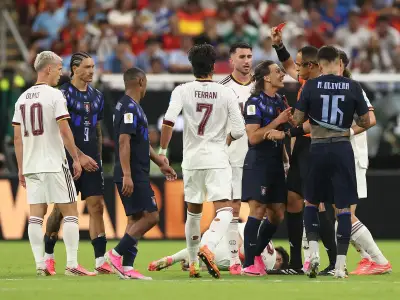
In a dramatic turn of events, Senegal has been stripped of their Africa Cup of Nations title, with the Confederation of African Football awarding the victory to Morocco. This decisive action follows Senegal's team walking off the pitch in protest during the January final, after Morocco was granted a late penalty. The ruling has sparked significant controversy within the football community.
Senegal's Walk-Off Protest Leads to Forfeiture
The Confederation of African Football based its decision on Afcon regulations, which clearly state that a team refusing to play or leaving the ground without authorisation must forfeit the match. As a result, the game has been recorded as a 3-0 win for Morocco. This regulation is designed to maintain discipline and ensure matches are completed on the field, but its application in this high-stakes final has drawn sharp criticism.
CAF Executive Committee Member Speaks Out
Augustin Senghor, a member of the CAF executive committee, has publicly condemned the ruling, describing it as 'abject' and calling for Senegal to 'fight against injustice.' He emphasised that football should be decided on the pitch, not through decisions made in administrative offices. His comments highlight a growing rift within CAF over how such incidents should be handled, with some officials advocating for more flexibility in exceptional circumstances.
Senegal's Response and Appeal Plans
The Senegalese Football Federation has announced plans to appeal the decision to the Court of Arbitration for Sport, arguing that the walk-off was a justified response to what they perceive as unfair officiating. Additionally, the Senegalese government has called for an independent international investigation into suspected corruption, suggesting that the penalty award may have been influenced by external factors. This move underscores the political and emotional weight of the incident in Senegal.
Broader Implications for African Football
This case sets a potentially dangerous precedent for future tournaments, as it raises questions about how protests and disputes should be managed in high-pressure matches. While CAF aims to uphold the integrity of its regulations, critics warn that rigid enforcement could undermine the spirit of the game. The outcome may influence how teams approach similar situations, balancing competitive fairness with the right to protest perceived injustices.
As the appeal process unfolds, the football world watches closely, with many hoping for a resolution that respects both the rules and the passion of the sport. The incident serves as a reminder of the complex interplay between regulation, justice, and the unpredictable nature of football.