January Transforms From Post-Christmas Lull to Football's Dramatic Peak
While January often represents a post-Christmas slump for many aspects of life, it has emerged as a powerhouse month for screen drama, particularly in the sporting arena. Cinemas overflow with Oscar contenders, reality television hits its stride, and European football delivers what many are calling the new must-watch event of the sporting calendar.
The Swiss Format's Dramatic Climax
The deciding matchday of the Champions League group phase – whether dubbed Wild Wednesday, Game Eight, or simply the climax – has rapidly established itself as unmissable viewing. The recent Benfica versus Real Madrid encounter exemplified this transformation, delivering edge-of-the-seat drama that captivated audiences across the continent.
At Manchester City's Etihad Stadium, players were glued to their phones as the final minutes unfolded. The stakes were monumental: a Real Madrid equaliser would have demoted Pep Guardiola's side from the coveted top eight positions. Yet the plot thickened further, with Benfica needing not just to hold their 3-2 lead, but to score again to secure a top-24 position on goal difference.
Last-Minute Heroics and Ripple Effects
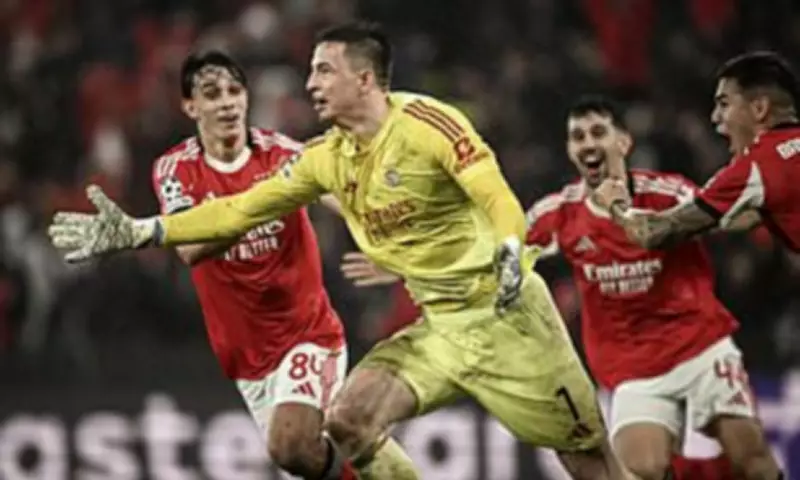
The dramatic conclusion arrived with goalkeeper Anatoliy Trubin's sensational header in the dying moments, securing a 4-2 victory that sent Benfica boss Jose Mourinho sprinting down the touchline in celebration. This single goal carried profound consequences, sentencing fifteen-time champions Real Madrid to additional play-off fixtures while simultaneously eliminating Marseille from the competition entirely.
French reports suggest the result may even cost Marseille manager Roberto De Zerbi his position, adding another layer to the narrative. The incident highlights football's unique capacity for generating multi-layered drama within single moments.
Format Evolution and Historical Context
The so-called Swiss format, designed originally for chess tournaments in 1895 to provide participants with more games, has injected unprecedented tension into the Champions League's concluding stages. While dissenters exist with valid concerns, the format's capacity for creating all-or-nothing scenarios represents a significant improvement over previous iterations.
Historical comparisons reveal the progress: in the final season of the old format, Bayern Munich finished their group twelve points clear of bottom-placed Manchester United, creating numerous dead rubbers that lacked competitive intensity. The new structure ensures most teams enter the final matchday with tangible objectives, maintaining engagement throughout.
Structural Flaws and Competitive Imbalances
Despite the enhanced drama, the format exhibits clear imperfections. The requirement for eight league games has drawn criticism from players concerned about fixture congestion, with Liverpool's Alisson and Manchester City's Rodri previously discussing potential strike action over calendar pressures.
Jeopardy remains inconsistent throughout the competition. Major teams often possess sufficient buffers to absorb unexpected defeats without meaningful consequences, as demonstrated when Barcelona survived a thrashing at Chelsea, Liverpool overcame a 4-1 loss to PSV Eindhoven, and Manchester City's defeat at Bodo/Glimt proved inconsequential to their progression.
Domestic Versus European Disparities
A particularly intriguing development concerns the apparent strength of English clubs within the European context. Tottenham Hotspur's recent performances illustrate this phenomenon perfectly: while struggling against domestic relegation candidates West Ham and Burnley, they simultaneously defeated German powerhouses Borussia Dortmund and Eintracht Frankfurt in European competition.
Similar patterns emerge across the continent, with domestic champions like Napoli, PSV Eindhoven, and Villarreal dominating their national leagues while occupying lower positions in the European standings. This disparity highlights the unique challenges presented by Champions League football's intensity and defensive demands.
The Search for Perfect Formatting
While the knockout stages consistently deliver value for television subscriptions, earlier group matches often lack equivalent urgency. The fundamental question remains: can any format successfully combine non-stop drama with commercial viability?
The answer, according to many observers, lies in adopting FA Cup-style randomness, where every match carries elimination risk. However, financial realities make this unlikely, as major clubs remain unwilling to sacrifice guaranteed revenue from eight group stage fixtures for the uncertainty of knockout football from the outset.
As the Champions League continues to evolve, the Swiss format has undoubtedly transformed January into a month of genuine footballing theatre, even as structural questions persist about how to maintain jeopardy while satisfying commercial imperatives.