England's World Cup Preparations Stumble in Wembley Defeat
England's final international break before manager Thomas Tuchel selects his World Cup squad concluded with a concerning 1-0 defeat to Japan at Wembley Stadium. This disappointing result followed an equally uninspiring 1-1 draw with Uruguay, leaving significant questions about England's depth and tactical approach just months before the tournament in North America.
Tuchel's Experimental Lineup Backfires
With captain Harry Kane sidelined by injury, Tuchel opted for an unconventional lineup featuring three attacking midfielders in Phil Foden, Cole Palmer, and Morgan Rogers. This departure from his usual preference for specialized roles proved disastrous as England lacked cohesion and cutting edge throughout the match.
The German manager's attempt to fit multiple number tens into the same team created what resembled "a jigsaw with five corners" - disjointed and fundamentally flawed. While these friendlies have little material impact on tournament preparations, they significantly affect expectations and momentum, and this performance dialed down England's World Cup prospects several degrees.

Japan's Mitoma Outshines England's Stars
The game's decisive moment came when Japan's Kaoru Mitoma dispossessed a hesitant Palmer in midfield, surged forward, and finished clinically past Jordan Pickford. This goal highlighted the gulf between England's experimental approach and Japan's organized, effective football.
Palmer endured a particularly difficult evening, losing possession in dangerous areas and delivering wayward passes, including a free-kick that sailed harmlessly over waiting teammates. Foden fared little better deployed as a false nine, struggling to impact the game from an unfamiliar position.
Both players were substituted before the hour mark, replaced by natural winger Jarrod Bowen and striker Dominic Solanke - a telling change that emphasized England's need for players in their proper positions.
Injury Crisis Compounds Selection Headaches
Tuchel's experimental approach was partly necessitated by an extensive injury list that grew throughout the international break. Kane picked up an injury "out of nothing," while Jordan Henderson, John Stones, Noni Madueke, Bukayo Saka, Declan Rice, and Jude Bellingham all missed the Japan match through various fitness concerns.
After Aaron Ramsdale, Fikayo Tomori, and Dominic Calvert-Lewin were sent home following the Uruguay game, Tuchel found himself without eleven of his original thirty-five-man squad. This injury crisis forced auditions for players like Palmer and Foden, who may now be competing for the same versatile forward role on the World Cup plane.
Fan Discontent and Tournament Implications
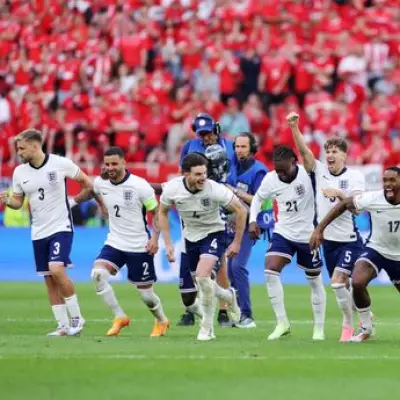
The Wembley atmosphere turned increasingly sour as the match progressed, with half-time boos and paper airplanes raining down from frustrated supporters. By full-time, most of the stadium had emptied, with only Japan's enthusiastic supporters remaining to celebrate their team's victory.
This performance reinforced Tuchel's apparent preference for Jude Bellingham as England's starting number ten, while highlighting the team's need for a genuine striker rather than makeshift solutions. As England were outrun, outdone, and outsung by their visitors, the message was clear: successful World Cup campaigns require clear roles, responsibilities, and perhaps some difficult selection decisions regarding established stars.