England's World Cup Preparations Hit by Defeat to Japan
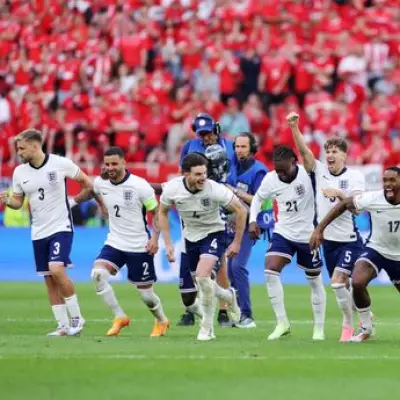
England's final international break before manager Thomas Tuchel selects his World Cup squad concluded with a dismal 1-0 defeat to Japan at Wembley Stadium. The loss, following a previous 1-1 draw with Uruguay, has raised serious questions about the team's depth and tactical coherence ahead of the tournament in North America this summer.
Key Players Struggle in Experimental Lineup
With captain Harry Kane sidelined due to injury, Tuchel deployed an unconventional lineup featuring three attacking midfielders: Phil Foden, Cole Palmer, and Morgan Rogers. This experiment backfired spectacularly, as England lacked penetration and cohesion throughout the match.
Cole Palmer endured a particularly difficult evening, losing possession in the buildup to Japan's winning goal and struggling with his passing accuracy. His first-half free-kick, blasted over teammates waiting in the box, symbolized England's offensive frustrations.

Phil Foden, playing as a false nine in Kane's absence, failed to make his mark as a central striker. When Nico O'Reilly delivered a perfect cross into the six-yard box, Foden was outjumped by Japanese defender Daichi Kamada, highlighting England's need for a genuine number nine.
Mitoma's Moment of Brilliance
The match's decisive moment came when Japan's Kaoru Mitoma dispossessed Palmer in midfield, surged forward, and finished clinically after a neat one-two combination. The goal exposed England's defensive vulnerabilities and lack of midfield protection.
Tuchel's visible frustration on the sidelines mirrored the growing discontent among England supporters, who voiced their disapproval with boos and paper aeroplanes raining down from the stands at halftime.
Injury Crisis Compounds Problems
England's preparations have been hampered by an extensive injury list that now includes Kane, Jordan Henderson, John Stones, Noni Madueke, Bukayo Saka, Declan Rice, Jude Bellingham, and Adam Wharton. The timing of these withdrawals, coinciding with Champions League quarter-finals, has raised questions about player availability priorities.
Tuchel initially named a 35-man squad for this international break, but injuries forced 11 players to withdraw, leaving the manager with severely limited options for experimentation.
World Cup Implications
While friendly matches have little material impact on tournament outcomes, they significantly influence expectations and squad selection. This defeat has likely reinforced Tuchel's preference for specialized roles over tactical flexibility.
The second-half substitutions of Foden and Palmer for natural winger Jarrod Bowen and striker Dominic Solanke demonstrated England's improved performance with players in their preferred positions. This suggests Tuchel may favor round pegs in round holes when selecting his final World Cup squad.
With Palmer and Foden potentially competing for the same versatile forward spot, and Tuchel showing apparent preference for Morgan Rogers and Jude Bellingham, several high-profile players face uncertain futures in the national team setup.
Looking Ahead
As Japan's supporters celebrated enthusiastically in the Wembley stands, England's players faced muted boos from the departing home crowd. The comprehensive nature of the defeat—being outrun, outplayed, and outsung—has created a sobering atmosphere around England's World Cup prospects.
Tuchel now faces difficult decisions about squad composition and tactical approach. The experiment with multiple number tens has failed, and the injury crisis has exposed limitations in England's depth. With the World Cup rapidly approaching, time is running out to find solutions to these pressing problems.