Euro 2028 Ticket Affordability Highlights World Cup Cost Controversy
UEFA has officially announced its ticket pricing strategy for Euro 2028, with a firm commitment to keeping costs accessible for football fans. This move starkly contrasts with the exorbitant expenses supporters are facing for the upcoming 2026 World Cup, where even a parking space can outprice entry to a European Championship match.
World Cup Ticket Prices Spark Outrage Among Supporters
Fans traveling to the United States, Canada, and Mexico for the World Cup this summer are bracing for steep financial burdens. FIFA has faced intense criticism over its ticketing approach, leading to the introduction of "more affordable" $60 (£45) tickets for all 104 matches following a significant backlash. However, the reality remains daunting for supporters.
If a fan purchases the cheapest category of tickets for all eight matches their team plays on the path to the final, the total cost would approximate £5,225. Middle-tier tickets would escalate to £8,580, while the most expensive options could reach a staggering £12,350. The minimal availability of these lower-priced tickets has further fueled discontent, with Football Supporters Europe filing a formal complaint accusing FIFA of "excessive ticket prices" and "bait advertising."

UEFA's Fan-First Approach for Euro 2028
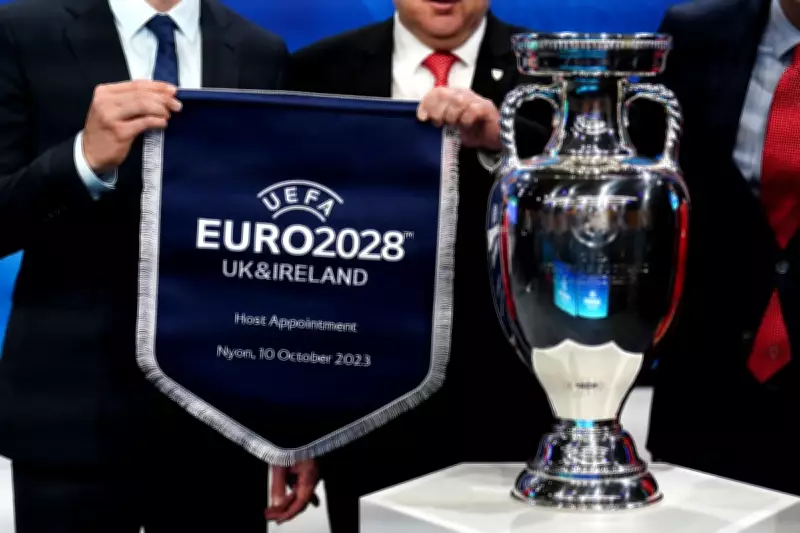
In response, UEFA has outlined a transparent and equitable ticketing process for Euro 2028, which will be hosted across the United Kingdom and the Republic of Ireland. According to reports, 15% of tickets will be priced at £30 or less, with an additional 25% costing under £60. This strategy ensures that attending a match remains within reach for a broad spectrum of supporters.
To put this into perspective, purchasing two £30 tickets for a Euro 2028 fixture would cost less than securing a single parking space at a World Cup group-stage match this summer. For instance, parking at the AT&T Stadium in Arlington, Texas, is priced at $75 (£57), highlighting the disparity in fan experience costs between the two tournaments.
FIFA Defends Dynamic Pricing Amid Growing Criticism
FIFA President Gianni Infantino has remained steadfast in defending the organization's pricing model, attributing the high costs to unprecedented demand. "In four weeks, we have requests for a thousand years of World Cup," Infantino stated, emphasizing the global appeal of the event. He explained that dynamic pricing in the U.S. market allows prices to fluctuate based on demand, which he views as a natural consequence of market forces.
Despite these justifications, the financial strain on fans is evident. For example, the cheapest ticket for the World Cup final is projected to exceed £3,000, excluding additional expenses like travel and accommodation. Stories such as that of England superfan Andy Milne, who is selling his house to fund a seven-week World Cup trip, underscore the extreme measures some supporters are taking to attend.
Broader Implications for Football Governance
The contrasting ticketing philosophies of UEFA and FIFA raise important questions about accessibility and fairness in international football. UEFA's commitment to a "fair, transparent and fan-first ticketing process" for Euro 2028 sets a precedent that could pressure other governing bodies to reevaluate their approaches. As premium tickets for Euro 2028 go on sale after the draw in December 2027, the focus will remain on balancing revenue generation with supporter welfare.
This ongoing debate highlights a critical divide in how major sporting events are marketed and managed, with fan affordability becoming an increasingly central issue in the global football community.