The Heat Training Revolution Transforming Marathon Preparation
Amateur runners across the United Kingdom are increasingly turning to innovative heat training methods, including regular hot baths, to dramatically improve their performances at major spring marathons. This emerging trend represents a significant shift in how recreational athletes approach the gruelling 26.2-mile distance, seeking every possible advantage through scientific preparation.
Beyond Super-Shoes and Fueling Strategies
While advanced running shoes and sophisticated carbohydrate fueling strategies have become standard in the marathon world, heat training has emerged as the latest frontier for performance enhancement. Dr. Lindsey Hunt, Senior Sports Scientist at leading sports nutrition company Precision Fuel & Hydration, has become a prominent advocate for this approach after eight years researching thermal physiology at the University of Sydney.
"Most people forget that marathons at 18-20°C might not feel particularly warm," explains Dr. Hunt. "But when you're racing at maximum effort, your body temperature rises dramatically. Heat training helps you perform better when your core temperature reaches 39.5°C during competition."

Accessible Methods for Everyday Runners
While elite athletes might use specialized heat chambers, everyday runners can achieve similar benefits through more accessible methods. These include wearing multiple layers during training sessions, regular sauna use at local gyms, or even taking hot baths at home. The key lies in consistent application rather than expensive equipment.
Dr. Hunt's research reveals that two to three weeks of regular heat training can produce measurable physiological improvements, including a four percent increase in haemoglobin mass – benefits comparable to altitude training but at significantly lower cost.
Practical Implementation Strategies
For runners incorporating heat training, Dr. Hunt recommends specific protocols:
- Hot water immersion baths at 40-42°C for 40 minutes
- Sauna sessions of 40-60 minutes with brief cooling breaks
- Layered clothing during training to elevate heart rate to 75% of maximum
Runners should aim for three to five sessions weekly during the initial two to three weeks, then reduce frequency to maintain benefits. The week before a race, one active session and one passive session (such as a Tuesday sauna before a Sunday marathon) typically suffices.
London Marathon Applications and Safety Considerations
With last year's London Marathon reaching 22°C (72°F) – conditions that can wreck personal best attempts – heat training becomes particularly valuable. "If you've completed just five heat sessions before London, your race experience will improve dramatically," emphasizes Dr. Hunt.
However, runners must balance benefits with safety considerations. Excessive heat storage during races can lead to dangerous conditions including leaky gut syndrome, dehydration, nausea, and elevated heart rates. Proper hydration strategies must accompany heat training protocols.
Complementary Cooling Techniques
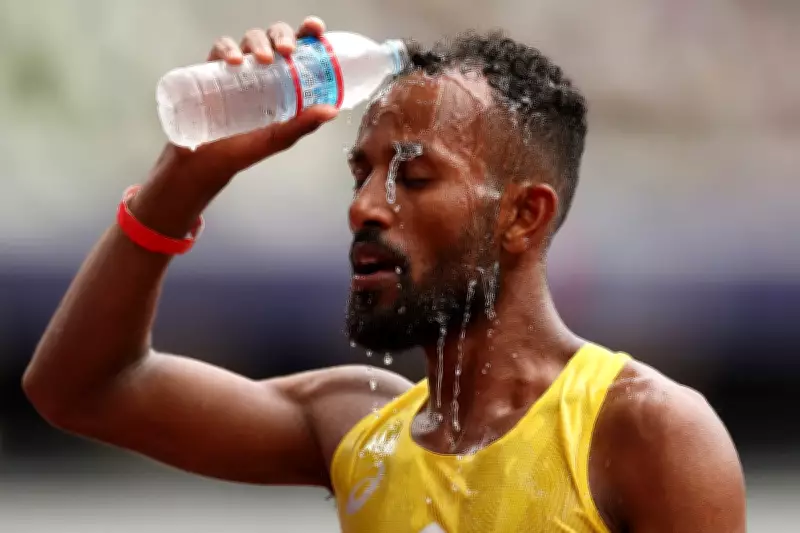
Heat training works most effectively when combined with intelligent cooling strategies during races. Water dousing – splashing water on the head and neck – represents the most effective cooling method available to runners according to Dr. Hunt's research.
"This provides additional cooling capacity beyond natural sweating," he explains. "The optimal approach involves beginning water dousing early in the race, during the first 15-30 minutes when body temperature begins rising, rather than waiting until you're already overheating."
This combination of proactive heat adaptation and strategic cooling during competition creates a comprehensive approach to managing the thermal challenges of marathon running, particularly in unpredictable British spring weather conditions.