Leicester City's Financial Nightmare After Relegation to League One
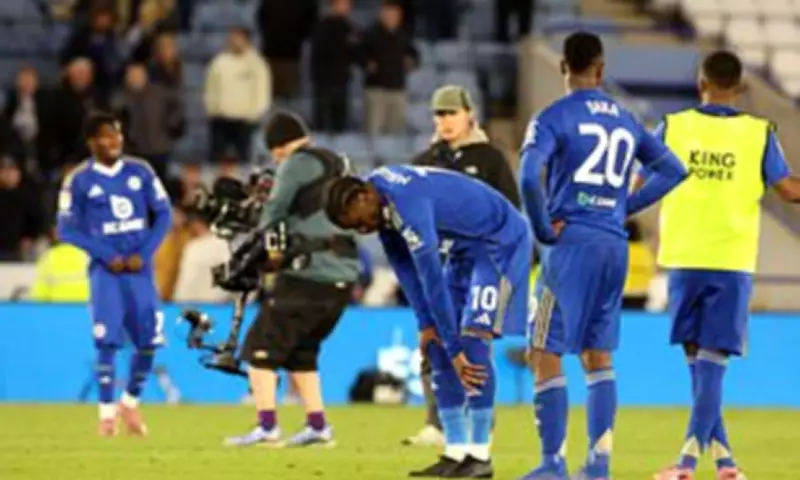
Leicester City will be compelled to conduct a fire sale of their highest-earning players as the club anticipates a devastating financial collapse following their relegation to League One. This dramatic fall from grace comes just a decade after their miraculous 5,000-1 Premier League title victory and five years after their FA Cup triumph, marking one of the most catastrophic declines in modern English football history.
Catastrophic Revenue Collapse
The Foxes' financial outlook presents a grim picture. Parachute payments that typically cushion relegated clubs have already been sold to Macquarie Bank, with the club borrowing against future top-flight money back in January. Broadcast revenue is projected to plummet by a staggering 98% compared to just two years ago, while other crucial income streams including commercial partnerships and matchday earnings will suffer seismic reductions.
Football finance expert Kieran Maguire explains the severity of the situation: 'The main issue for Leicester is the revenues will take a huge tumble. They made £117m in broadcast income in season 2024-25, which will have substantially fallen this year. They will be in receipts of parachute payments of around £35m next season but they have already effectively sold them to a lender.'

Forced Player Exodus
Leicester will almost certainly be forced to offload numerous high-earning players to survive in the third tier. Among those likely to depart are Harry Winks, Ricardo Pereira, Patson Daka, Jannik Vestergaard, and Hamza Choudhury - all among the EFL's top earners. Highly-rated talents like Abdul Fatawu, who attracted Premier League interest last summer, and teenage sensation Jeremy Monga are also expected to be cashed in to generate much-needed funds.
The wage bill presents a particularly pressing problem. Maguire notes: 'The wage bill was very high the last time they were in the Championship. Based on my calculations they were averaging around £47,000 a week for first-team players which went up to £67,000 when they went up to the Premier League. Even with relegation clauses there will still be an overhang unless they manage to get rid of the big earners.'
Decade of Decline
The club's dramatic reversal of fortune is particularly stark considering their achievements over the past decade. From Premier League champions and Champions League participants to hosting third-tier opponents like Bromley at the King Power Stadium, the contrast could hardly be more pronounced. The stadium itself is likely to be far from full next season as disillusioned fans grapple with the club's precipitous decline.
Since 2018, Leicester has accumulated losses exceeding £400 million despite winning the FA Cup and achieving respectable Premier League finishes. Questionable recruitment decisions, including awarding substantial wages to underperforming players and allowing valuable assets like Youri Tielemans to depart on free transfers, have contributed significantly to their current predicament.
Ownership Under Pressure
Owner Aiyawatt 'Top' Srivaddhanaprabha, son of the late Vichai who died in the 2018 helicopter crash, faces mounting pressure. Despite insisting earlier this year that he would not sell the club, the financial realities of League One football present unprecedented challenges. In a statement following relegation confirmation, Top acknowledged: 'Responsibility sits with me. We have experienced the highest highs and now the lowest lows, and the pain is shared by all of us.'
Maguire highlights the ownership dilemma: 'I can't see lenders wanting to go near Leicester City so therefore it comes down to the owner. Is the owner willing to put in money? Does the owner have the money to put in? Those are the key questions for a club losing effectively £1m a week for the last six or seven years.'

Immediate Priorities
The club's most urgent objectives must include drastically reducing the wage bill and securing immediate promotion back to the Championship. Manager Gary Rowett, who has managed just one victory since taking charge, appears unlikely to remain in position, while numerous players seem destined for exits. The financial imperative of returning to the second tier cannot be overstated for the long-term survival of this historic English football institution.
As Leicester prepares for their first League One campaign in over a decade, the fire sale of talent represents just the beginning of what promises to be a painful rebuilding process for a club that so recently tasted football's greatest triumphs.