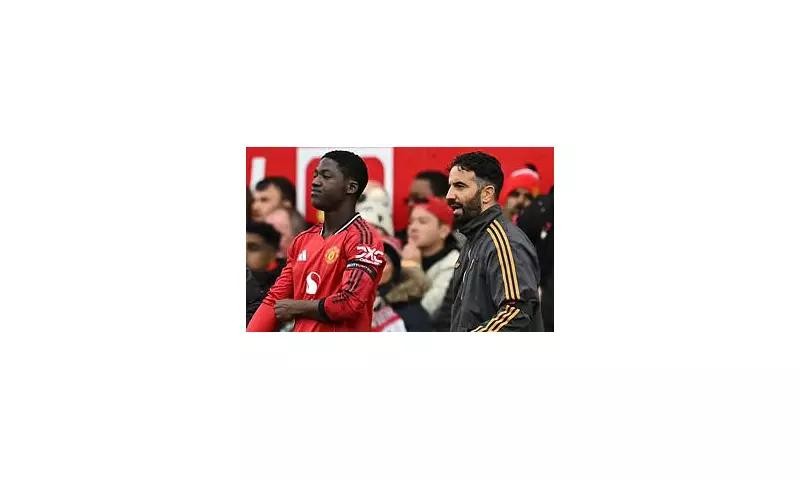
Manchester United manager Ruben Amorim has launched a pointed critique of what he perceives as a damaging 'sense of entitlement' among some young players at the club. His comments come amid a public row over the future of midfielder Kobbie Mainoo.
The 'Free Mainoo' Protest and Family Drama
The situation escalated during Manchester United's dramatic 4-4 draw with Bournemouth on Monday. Mainoo's stepbrother, Jordan Mainoo-Hames, attended the match wearing a t-shirt with the slogan 'Free Kobbie Mainoo', visibly protesting the 20-year-old's lack of playing time this season.
This public act has intensified speculation about Mainoo's future at Old Trafford, with club legends including Rio Ferdinand, Paul Scholes, and Nicky Butt having previously advised the talented youngster to seek a January move to advance his career.
Amorim's Firm Stance on Club Culture
While Amorim confirmed he would not punish Mainoo for a family member's actions, he used the incident to address a broader issue within the club's culture. 'I think it is the sense of entitlement that we have in our club,' the United boss stated.
He urged Mainoo and others to ignore external advice to leave, advocating for resilience instead. 'No. Let's stay, let's fight, let's overcome. Maybe the manager is wrong,' Amorim said, highlighting his belief that constant praise is unhelpful.
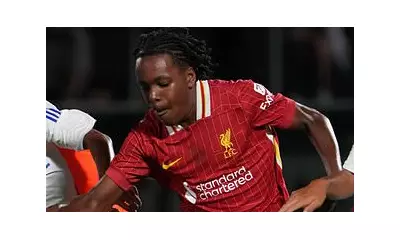
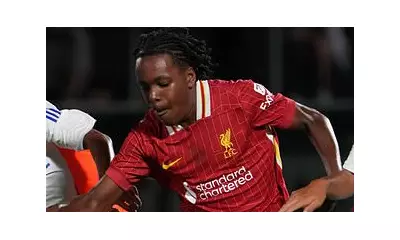
Amorim also referenced recent subtle social media posts from young players Harry Amass and Chido Obi, who appeared to respond to his previous criticism. 'They feel free to answer the manager with a photo,' he noted, expressing disappointment that players would not instead speak to him directly with his 'office door always open'.
A Call for United to 'Change as a Club'
The Portuguese coach expanded his criticism, suggesting a collective forgetfulness of the club's stature and standards. 'We, as a club, sometimes forget who we are,' he admitted, acknowledging his own failings on the pitch but defending the club's off-field environment.
His concluding remarks were a stark warning: 'So I think we have to change as a club.' This indicates Amorim sees the issue as systemic, requiring a shift in mentality from top to bottom.
Team Selection Unaffected by Protests
On a practical level, Amorim made clear the t-shirt protest would have no bearing on his selection decisions. With Casemiro suspended for Sunday's trip to Aston Villa, Amorim must choose between Mainoo and Manuel Ugarte for the midfield role.
'It wasn't Kobbie wearing the shirt,' Amorim clarified. 'He is not going to start because of the shirt, nor is he going to the bench because of it. He will play if he is the right player to do so.' This statement reinforces his intent to judge players solely on footballing merit, distancing team affairs from external family dramas.