Porto Women's Meteoric Ascent in Portuguese Football
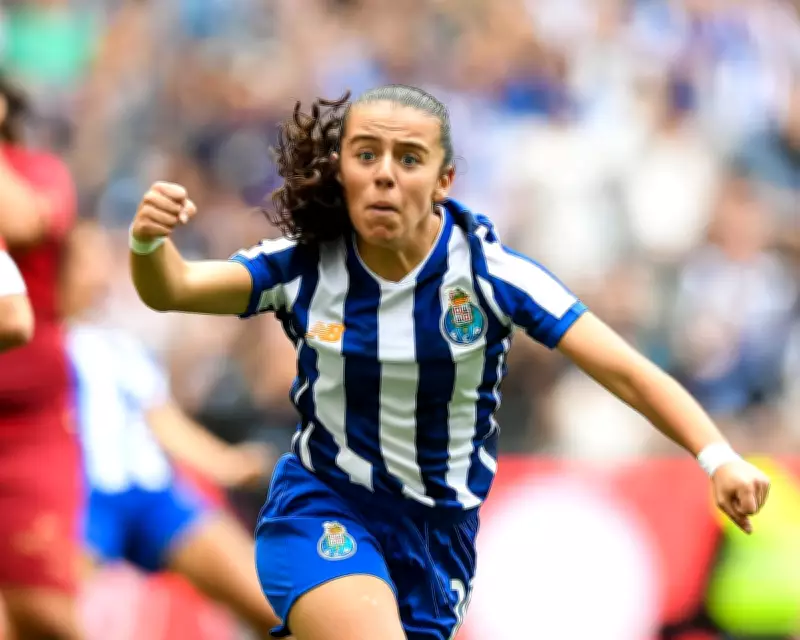
In a remarkable sporting story, FC Porto's women's team has achieved a rapid rise from non-existence to the verge of Portugal's top division in just over a year. The team, which did not exist until recently, secured promotion from the third division in its inaugural season and now leads the northern division, poised for advancement to the elite level where it would compete with historic rivals Benfica and Sporting.
Strategic Leadership and Ambitious Vision
Club president André Villas-Boas, the former manager of Chelsea and Tottenham, has been instrumental in driving this progress. "Our long-term ambition for Porto Women was to provide equal opportunities and promote genuine gender equality in sport at the club," Villas-Boas states, emphasizing a commitment that extends beyond mere rhetoric.
José Manuel Ferreira, the director of Porto's women's football department, was recruited by Villas-Boas two years ago to spearhead the project. With extensive experience in Portuguese football, Ferreira outlines the clear objectives: "The first thing we all spoke about was to make sure the team was in the first division in three years, which would be next season."

Building a Professional Foundation
Ferreira has focused on creating a comprehensive structure, including under-19, U17, and U15 teams, while younger age groups are part of the Dragon Force football school. Recruitment prioritized players with a connection to the club, fostering a deep understanding of Porto's values. "We wanted players who had some connection with the club, knew FC Porto, what the club stands for and what it means to play for FC Porto," Ferreira explains.
The club has established a professional environment, operating with a first-division model even while in the second tier. This includes robust departments for medical, sporting, performance, and technical staff, with training conducted at Olival, Porto's main training ground. Head coach Daniel Chaves brings valuable experience in women's football, ensuring alignment with the club's ethos.
On-Field Success and Cup Ambitions
Porto's dominance is evident in their league performance, where they remain unbeaten and have yet to concede a goal. In the Portuguese Cup, they recently secured a 2-2 draw against Vitória Guimarães in the semi-final first leg, positioning themselves for a potential final against Benfica. Ferreira attributes this success to the groundwork laid over the past 18 months, which has enabled the team to compete effectively against top-division sides.
Looking ahead, both Ferreira and Villas-Boas aim for sustained excellence. Villas-Boas praises the team's mentality: "The pride the girls have in wearing the Porto shirt and the winning mentality the players have shown is second to none." The goal is not only to reach the top division but to challenge for titles and European qualification, mirroring the ambitions of Porto's men's team.
Broader Context in Women's Football
This development occurs amid ongoing growth in women's football globally. In England, the Women's FA Cup saw strong performances from top clubs like Chelsea, Arsenal, and Manchester City, while controversies such as Millwall's stadium decision highlight the complexities of club management. Meanwhile, stories like Chatham Town's cup run demonstrate the financial and competitive impacts of the sport's expansion.
Porto's journey exemplifies how strategic investment and a clear vision can accelerate progress in women's sports, setting a benchmark for other clubs to follow.