Premier League Clubs Grapple with £80m Sponsor Void as Gambling Ban Takes Effect
Nine Premier League clubs have yet to secure front-of-shirt commercial deals for the upcoming season, with concerns mounting that several may start the campaign without a sponsor. This situation stems from the imminent ban on shirt advertising by gambling companies, which is severely impacting commercial returns for clubs outside the traditional big six.
Significant Financial Impact and Market Shifts
An executive at one club revealed that the collective loss of income from shirt deals could reach as high as £80 million next season. Gambling operators, particularly those targeting Asian markets, have historically paid premium rates for Premier League sponsorship to gain global visibility. However, a voluntary ban agreed upon with the government three years ago, delayed until next season to allow clubs time to adjust, has removed these firms from the market, leading to intense competition and lower prices.
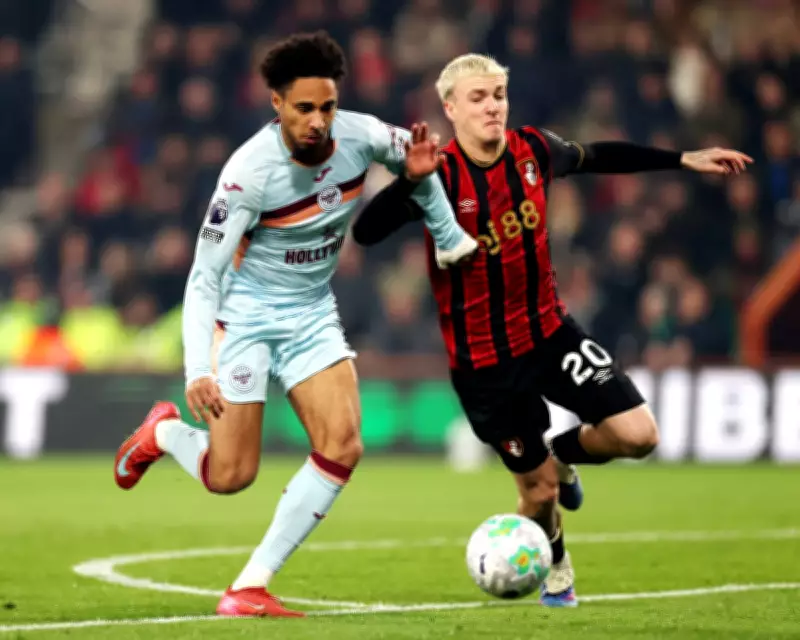
Of the ten top-flight clubs with gambling sponsors this season, only Bournemouth has announced a replacement. The club's stadium sponsor, Vitality, will move to the shirt in a cut-price deal, a trend likely to be seen elsewhere. Brentford is close to announcing that its training kit sponsor, the job search website Indeed, will appear on its shirt next season.

Reduced Deals and Exceptions
Both Brentford and Bournemouth are understood to have accepted reductions of about 50% from their existing deals with bj88 and Hollywood Bets respectively. Their new contracts are valued at £4 million to £5 million per year, reflecting the challenging market conditions. In contrast, Everton and Fulham appear set to buck this trend, as they are in advanced negotiations with the foreign exchange trader CMC Markets. This deal would sponsor both clubs and bring a modest increase over their existing contracts with Stake and SBOBet.
Meanwhile, seven other clubs with gambling backing remain in the market seeking sponsors. Additionally, Chelsea and Newcastle are still looking for new sponsors as their deals with IFS and Sela expire this summer. Chelsea has started each of the past three seasons without a shirt sponsor, agreeing to short-term deals later, a strategy that has cost the club tens of millions in lost revenue.
Widening Divide and Broader Implications
The removal of gambling companies has exacerbated the already significant divide between the big six clubs and the rest of the Premier League. Arsenal, Liverpool, Manchester City, and Manchester United are locked into long-term deals worth between £50 million and £60 million annually with sponsors like Emirates and Standard Chartered. Tottenham's £40 million-a-year deal with AIA expires at the end of next season.
Leeds and Brighton maintain long-term contracts with Red Bull and American Express, but other clubs face challenging negotiations. A senior club executive noted, "Nearly everyone is losing money. Outside the big six, shirt sponsorship offers have dropped by around 50% from a range of £8 million to £12 million per season." This decline has knock-on effects, as some clubs switch sleeve or training kit partners to front-of-shirt sponsors, impacting those deals as well.
Everton and West Ham have opted to move their existing shirt sponsors, Stake and Boyle Sports, to the players' sleeves next season, as sleeve deals with gambling companies are not banned. However, many clubs are still searching for new sleeve and training kit sponsors.
EFL Advantage and Future Outlook
In contrast to the Premier League, the EFL has not banned gambling sponsorship and holds a contract with Sky Bet as title sponsor for all three divisions until 2029. Consequently, EFL clubs are likely to benefit from gambling companies seeking to maintain shirt sponsorship presence, highlighting a disparity in regulatory approaches across English football.