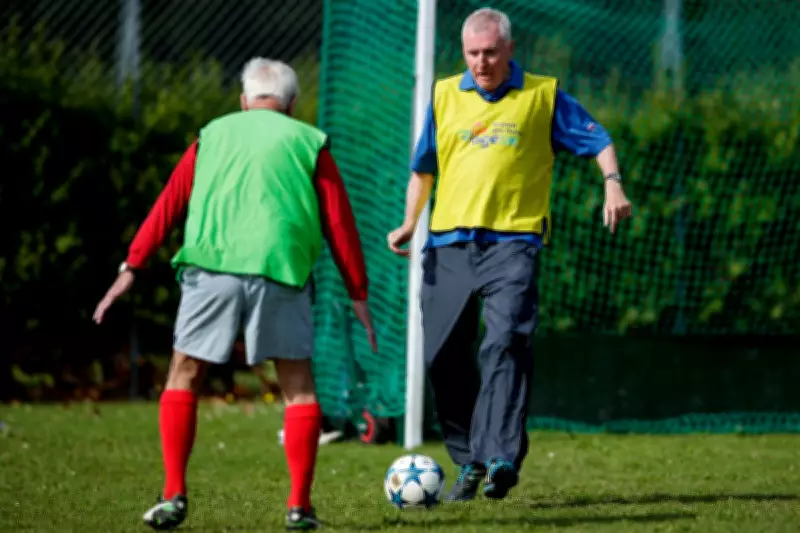
Discover the Mental, Physical, and Social Advantages of Walking Football
If you have been captivated by the thrill of Premier League matches or the tension of FIFA World Cup qualifiers, you might feel inspired to step onto the pitch yourself. While making the England squad may be unlikely, consider joining a local walking football team instead. This engaging sport delivers all the excitement of traditional football without the high intensity or pressure, making it a fantastic option for many.
Walking football has seen rapid growth across the United Kingdom, with numerous clubs and sessions available weekly. From 2021 to 2023, Age UK collaborated with Sport England and the Football Association to establish the Age UK Walking Football Programme, expanding access nationwide. Alison Ingram, programme director at Age UK, explains, "It's a slower, more gentle version of the game that everyone loves because players walk rather than run on the pitch. Anyone can get involved, regardless of ability or experience." She adds that it is particularly accessible for older individuals, those with long-term conditions, dementia, or people recovering from falls who seek to rebuild confidence.
Six Key Benefits of Taking Up Walking Football
1. It's Inclusive

Alison Ingram highlights that football serves as a great leveller compared to many other activities. "Many people are unfamiliar with Tai Chi or Zumba, but most have some understanding of football," she says. Walking football attracts participants from diverse backgrounds and ages, including men and women in their 50s to 80s, as well as individuals living with conditions like dementia, Parkinson's, or recovering from strokes. Ingram notes, "All our players and volunteers are encouraging, cheering newcomers on, especially when they start."
2. Provides Opportunities to Build Friendships
Word of mouth has spread quickly about walking football sessions, often leading friends and family members to join together. Ingram states, "It offers chances to meet people you might never have crossed paths with, and many develop strong friendships through these groups." This social aspect fosters community and connection.
3. Keeps You Active
Physical activity through walking football can enhance stamina and strength. Ingram explains, "Moving around during sessions helps improve heart health and can aid in weight loss." Additionally, playing football supports bone strength, a common concern as people age, contributing to overall physical well-being.
4. Sharpens Decision-Making Skills
The sport requires quick thinking, such as deciding who to pass the ball to, where to position oneself, and how to collaborate as a team. Ingram points out, "This can significantly sharpen thinking skills and enhance cognitive function."
5. Helps Improve Balance and Coordination
Constantly moving and changing direction on the pitch encourages the brain and body to work together. Ingram says, "You must coordinate thinking, muscles, and limbs to respond to unpredictable situations, training your body to maintain balance both on and off the pitch."
6. Boosts Confidence
Being part of a team can provide a sense of purpose and elevate self-esteem. Ingram recognises, "The challenge of trying something new and seeing weekly improvements can be very affirming." This confidence often leads participants to explore other activities, opening up new possibilities.
Many local Age UK services host welcoming walking football sessions and other activity groups. To find opportunities in your area, visit Age UK or contact the Age UK Advice Line.