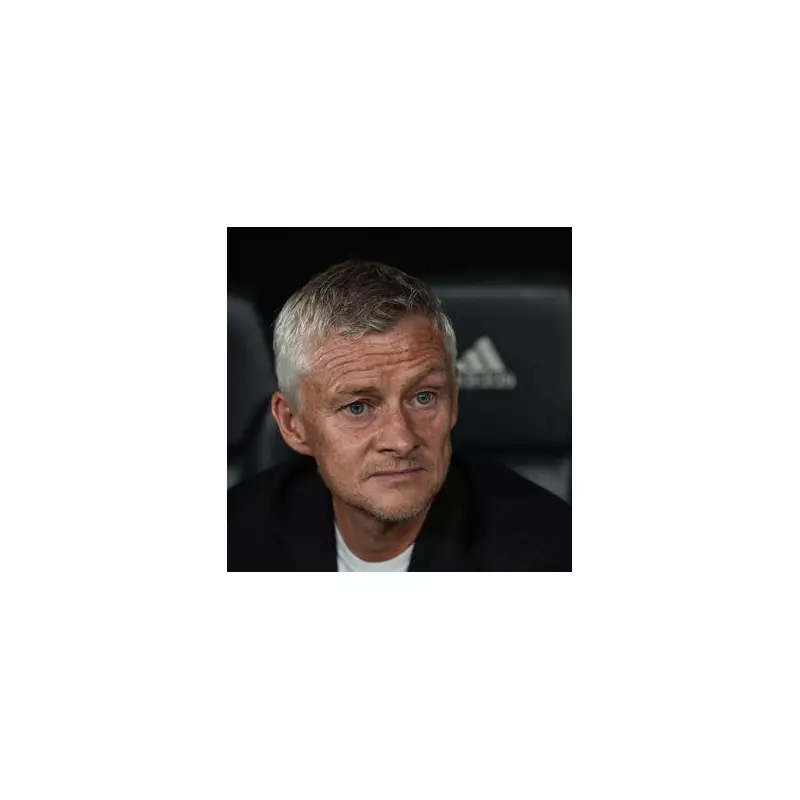
Ole Gunnar Solskjaer is poised for a sensational return to the Manchester United hotseat, with the Norwegian legend scheduled to hold crucial talks with club chiefs. The discussions centre on Solskjaer stepping in as interim manager until the season's end, following the departure of Ruben Amorim.
The Tactical Dilemma and Squad Management
Should his appointment be confirmed, it would mark Solskjaer's second rescue mission at Old Trafford, having previously taken temporary charge in 2018 after Jose Mourinho's exit. However, the task ahead is monumental. He inherits a squad reeling from the club's worst-ever Premier League campaign last season and one that has continued to display significant vulnerabilities in the current term.
The most immediate decision Solskjaer must justify is his tactical blueprint. During his previous tenure, his preferred 4-2-3-1 formation yielded instant success, with 14 wins from his first 19 games as caretaker. This represents a stark shift from Amorim's rigid 3-4-3 system, a point of contention with Football Director Jason Wilcox.
Recent evidence suggests a switch to a back four may be welcomed. Amorim himself utilised it last month with positive effect, and caretaker Darren Fletcher deployed a 4-2-3-1 in the recent draw at Burnley. Solskjaer's potential reversion to this familiar setup could satisfy a hierarchy frustrated by tactical inflexibility.
Unlocking Talent and Defining the Role
A major on-pitch challenge will be revitalising the form of £74 million striker Benjamin Sesko. The Slovenian forward has managed just four goals since his high-profile move from RB Leipzig, though two came in his latest outing. As a former United centre-forward who thrived under pressure, Solskjaer's mentorship could be key to unlocking Sesko's potential.
Beyond tactics and personnel, the nature of Solskjaer's return must be clarified. His initial interim spell in 2018 was so impressive it led to a permanent three-year contract. Club officials will need to know if he views this as another short-term fix or harbours ambitions for a longer stay. A desire for permanency could complicate matters, given how his first full-time reign ended and potential fan scepticism over a second permanent appointment.
Navigating Constraints and Culture
Solskjaer must also demonstrate he can operate within significant constraints. As a temporary manager, he is unlikely to receive substantial transfer funds in January—a point of frustration for Amorim. While United's attack was heavily reinforced last summer, glaring issues persist in midfield and defence, meaning Solskjaer will have to maximise the existing squad.
Perhaps his most profound task is addressing the club's culture. Upon his sacking in November 2021, Solskjaer was openly critical of certain players' attitudes, citing disappointment when individuals rejected the captaincy or refused to play to force a move. While the dressing room has evolved, questions over unity and commitment remain. Solskjaer's strategy for either reintegrating disaffected stars or moving them on will be vital to any short-term revival.
With talks imminent, Solskjaer's answers to these five critical questions will determine whether he is entrusted to lead Manchester United once again and attempt to repeat his previous interim heroics at a club in clear need of direction and stability.