Tuchel's Tactical Rest: England's World Cup Hopes Pinned on Player Load Management
Tuchel's Rest Strategy for England's World Cup Success

Thomas Tuchel's Strategic Patience Amid England's Friendlies Struggles

England head coach Thomas Tuchel has articulated a firm belief that the cautious management of his players' workloads during a challenging international window will yield significant dividends at the upcoming World Cup. This perspective comes in the wake of disappointing performances in recent friendlies, where Tuchel faced a confluence of setbacks that tested his tactical acumen and squad depth.

A Window of Adversity and Adaptation

The international camp unfolded with a series of unforeseen complications, as Tuchel's meticulously crafted plans were derailed by a spate of injuries and fitness issues. Key figures such as John Stones, Reece James, Jude Bellingham, Declan Rice, Bukayo Saka, Jordan Henderson, and Harry Kane were either absent or limited, stripping the squad of its leadership core and experience. Tuchel described the situation as being dealt a "poor hand," forcing him into a reactive rather than proactive stance.

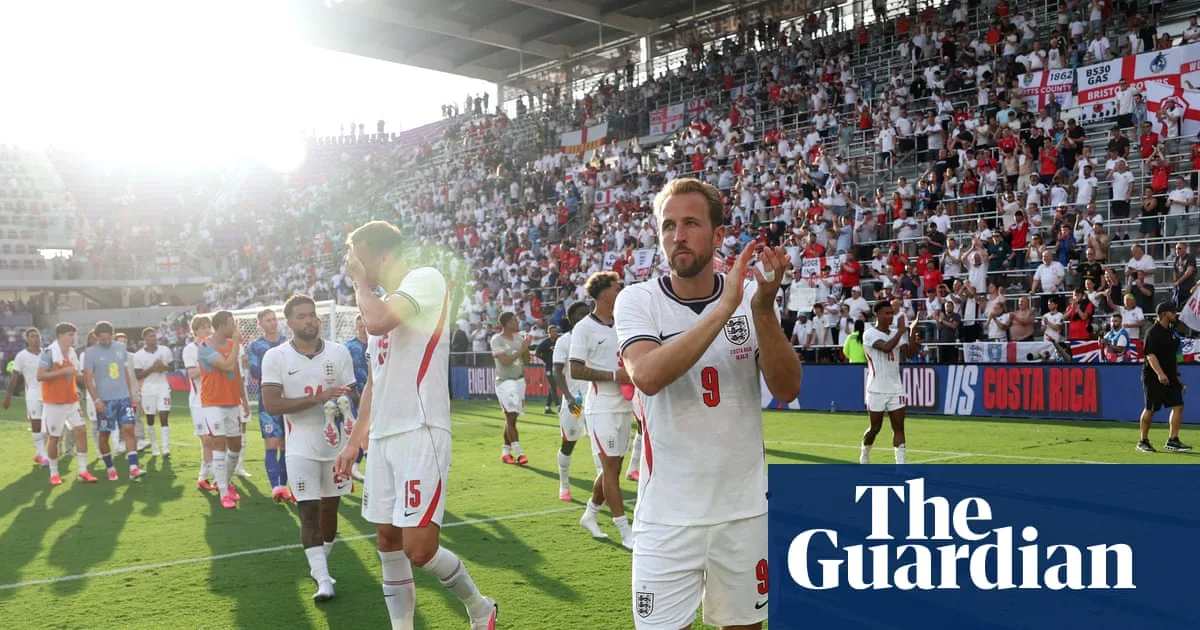
In the friendlies against Uruguay and Japan, both held at Wembley Stadium, England managed only a 1-1 draw and a 1-0 defeat, respectively. Tuchel attributed these results to the impracticality of assembling a cohesive unit in just three days of training, a task he labeled "ridiculous" in hindsight. The coach emphasized that the lack of competitive stakes in these matches influenced his decision to implement a lighter touch, prioritizing player welfare over immediate results.

Wide Pickt banner — collaborative shopping lists app for Telegram, phone mockup with grocery list

Load Management and Long-Term Vision

Central to Tuchel's philosophy is the concept of load management, a strategy aimed at mitigating player fatigue accumulated over a grueling club season. He expressed acute awareness of the minutes logged by his squad members, arguing that pushing them too hard in friendlies could jeopardize their readiness for the World Cup. This approach marks a shift from his previous reactions to underwhelming performances; unlike after losses to Andorra and Senegal in June, where he criticized player attitude, Tuchel offered unwavering support and understanding this time.

The experimental formations deployed during the window, including a 3-1-5-1 against Andorra and a 4-2-4 with Cole Palmer and Phil Foden as twin No. 10s against Japan, failed to deliver the desired impact. Tuchel accepted responsibility for these tactical adjustments, noting they were intended to provide security but ultimately resulted in a lack of offensive punch. Questions now linger over Foden's World Cup prospects, with Tuchel suggesting his place is not guaranteed.

Silver Linings and Future Prospects

Despite the setbacks, Tuchel highlighted positive contributions from players like James Garner and Harry Maguire, though he indicated Maguire remains lower in the defensive hierarchy. The coach remains steadfast in his optimism, asserting that the foundation built in earlier qualifiers will serve as the bedrock for World Cup preparations. He framed the difficult friendlies as a "tough exam" that could prove more valuable than facile victories, fostering resilience and clarity.

Tuchel concluded by reaffirming his commitment to England's World Cup dream, urging against doubt and emphasizing the benefits of strategic rest. As the squad regroups, the focus shifts to harnessing this period of recovery to peak at the tournament, where the true test of Tuchel's load management strategy will be unveiled.

Pickt after-article banner — collaborative shopping lists app with family illustration