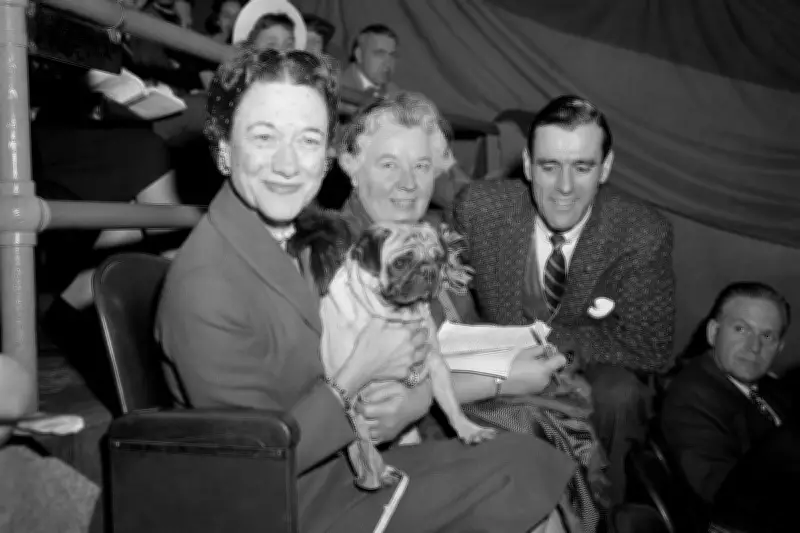
Westminster Dog Show Celebrates 150 Years of Canine Excellence
The Westminster Kennel Club Dog Show is marking a remarkable milestone as it celebrates its 150th anniversary, establishing itself as one of America's most enduring sporting traditions. This prestigious event, often described as the World Series or Super Bowl of dog shows, has maintained its position as the United States' premier canine competition while adapting to changing times.
From Gilded Age Origins to Modern Spectacle
When a group of gentleman hunters organized the first Westminster event in 1877 to compare their dogs, they could scarcely have imagined their gathering would evolve into a national institution. The show originated from meetings at the Westminster Hotel, where founders would gather at the bar to discuss their canine companions. While the hotel has long since disappeared, the name has endured through fifteen decades of competition.
The inaugural "First Annual New York Bench Show of Dogs" featured approximately 1,200 dogs representing several dozen breeds, ranging from pugs to mastiffs. Among the notable entries was an English setter valued at $5,000, an extraordinary sum when the average New York laborer earned about $1.30 per day. Contemporary reports described bulldogs as "noticeable delegates" and found Japanese spaniels "highly amusing."
Evolution of Competition and Standards
Today's Westminster show has expanded significantly, featuring 2,500 dogs representing up to 212 breeds and 10 varieties, including distinctions like smooth versus wirehaired dachshunds. Many breeds competing today didn't exist or hadn't reached American shores in 1877, reflecting the evolution of canine breeding and international exchange.
According to Westminster Kennel Club President Donald Sturz, "The trappings, the window dressing, you know, changes over time. But what's at the core, what's the heart of it, which is the love of dogs... that has been the same." While some breed characteristics have evolved slightly over time, with changes to muzzle length or coat thickness in certain breeds, many dogs remain remarkably similar to their Westminster ancestors.
The competition has formalized significantly since its early days:
- All competing canines now hold champion rankings in a structured sport with complex point systems
- Official breed standards guide judging decisions
- The "best in show" trophy, introduced in 1907, has become the event's ultimate prize
- Hundreds of dogs now compete in agility and other canine sports
Maintaining Tradition in a Changing World
Westminster has preserved elements of its clubby, genteel origins while expanding its reach. From the beginning, spectators arrived fashionably dressed, with early reports noting that attendees "wore an air of good breeding." This tradition continues with handlers wearing formal attire and judges donning black tie for upper-round competitions.
The event has attracted participants from diverse backgrounds throughout its history:
- Foreign royalty and American tycoons in earlier decades
- Modern celebrities including Martha Stewart and Tim McGraw
- Professional athletes from baseball's Lou Gehrig to the NFL's Morgan Fox
- Handlers from varied professions including policing, medicine, military service, and corporate careers
Sturz emphasizes that while Westminster remains an elite event, "it's one that we want everyone to feel that they can access and be a part of." Many competitors handle their own dogs rather than employing professional handlers, and numerous participating animals serve in working roles including bomb detection and search-and-rescue operations.
Venue Evolution and Media Presence
The show debuted at Gilmore's Garden, a precursor to today's Madison Square Garden, and has maintained its connection to the venue through various iterations of the building. Remarkably, the show continued even after part of the structure collapsed shortly before the 1880 event, resulting in four fatalities including a Westminster official.
Westminster's media presence has expanded dramatically from its early days:
- Television broadcasts since the late 1940s
- Modern streaming options reaching global audiences
- Cultural impact through films like Christopher Guest's "Best in Show"
- Increased public awareness through satirical portrayals that highlighted human eccentricities
Contemporary Challenges and Animal Welfare
As Westminster's prominence has grown, so has scrutiny of breeding practices and animal welfare concerns. Criticism dates back to at least 1937, when show-goers questioned whether collies' narrow heads and long noses represented healthy breeding standards.
In recent years, animal welfare organizations have become more vocal:
- PETA has erected billboards near venues highlighting breathing problems in flat-faced breeds
- Activists have demonstrated at events with oxygen tanks to emphasize respiratory issues
- Some protesters have infiltrated competition rings during events
Sturz defends the club's commitment to canine welfare, noting Westminster's longstanding support for veterinary scholarships, pet-friendly domestic violence shelters, rescue organizations, and other canine causes. This tradition began with the very first show in 1877, when proceeds helped the ASPCA build its first animal shelter.
As the Westminster Kennel Club Dog Show enters its second century and a half, it continues to balance cherished traditions with evolving standards, maintaining its position as America's most prestigious canine competition while addressing contemporary concerns about breeding practices and animal welfare.