Deontay Wilder's Controversial Return Amidst Past Excuses for Fury Defeats
Deontay Wilder is set to make a highly anticipated return to the boxing ring tonight, facing Derek Chisora at London's O2 Arena in what marks the 50th professional fight for both seasoned heavyweights. This clash comes as both fighters navigate the twilight stages of their careers, with Chisora riding a wave of momentum from recent victories and Wilder seeking to reclaim his former glory after a series of setbacks.
The Shadow of Past Defeats and Outlandish Claims
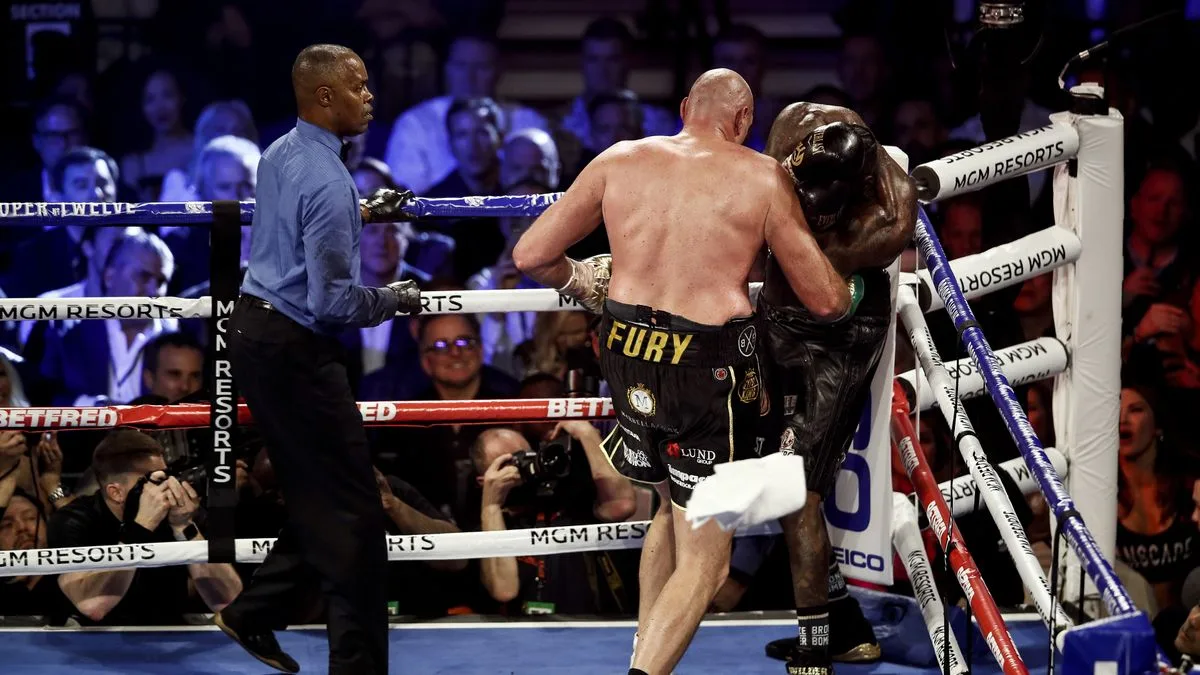
Wilder, known as the 'Bronze Bomber', has only secured two wins in his last six bouts, a stark contrast to his earlier dominance. His legacy, however, remains intertwined with his epic trilogy against Tyson Fury, which many believe took a significant toll on the American boxer. Following back-to-back defeats to Fury in 2020 and 2021, Wilder unleashed a barrage of excuses that have since become a topic of ridicule and debate within the boxing community.
Examining Wilder's Six Key Excuses
Instead of accepting defeat gracefully, Wilder offered a series of bizarre explanations for his losses. Here is a detailed breakdown of his most notable claims:
- Spiked Water Allegation: Wilder asserted that his pre-fight drinks were tampered with before his 2020 rematch with Fury, suggesting they contained a muscle relaxant that left him feeling weak and out of control. He described an unusual sensation that compromised his performance, though no evidence has substantiated this claim.
- Heavy Costume Blame: Immediately after losing his heavyweight title, Wilder blamed his elaborate Black History Month costume, which he said weighed 40 pounds and weakened his legs. This excuse was undermined by footage of him admitting to training with a 45-pound vest, making the costume claim seem implausible.
- Trainer Criticism: Wilder faulted his former trainer, Mark Breland, for throwing in the towel during the seventh round of the second Fury fight, arguing it cost him the match. Many in boxing defended Breland's decision as a necessary move to prevent serious injury, highlighting Wilder's refusal to acknowledge the tactical wisdom behind it.
- Cheating Accusations Against Fury: In a dramatic escalation, Wilder accused Fury of cheating by allegedly placing hard objects in his gloves and benefiting from biased officiating. He even suggested racial motivations, citing referee Jack Reiss's handling of their first fight as evidence of "white supremacy," claims that Fury and his team have consistently denied.
- Referee Bias Claims: Wilder targeted referee Kenny Bayless, alleging unfair treatment during the rematch. He claimed Bayless warned him about fouls but ignored similar infractions by Fury, leading to frustration and physical discomfort, though replays showed Fury's clear dominance in the bout.
- Injury Explanation: As a more conventional excuse, Wilder cited a left bicep injury that required surgery post-fight, implying it hindered his performance. While injuries can be valid, the timing and context, amid his other outlandish claims, diluted its credibility and detracted from Fury's victory.
Context of Tonight's Fight and Legacy Implications
As Wilder steps into the ring against Chisora, fans and analysts are watching closely to see if he can move past these controversies. Chisora, aged 42, has hinted at retirement after this bout, adding stakes to what could be a memorable showdown. Wilder's career, despite recent struggles, is still celebrated for his punching power, but his excuses have cast a shadow over his sportsmanship.
The boxing world remains divided on Wilder's legacy, with some sympathizing with his injury claims while others dismiss his excuses as deflection. Regardless, his return tonight offers a chance to refocus on his skills rather than his past grievances, as he aims to spoil Chisora's potential farewell and reclaim a spot among heavyweight elites.