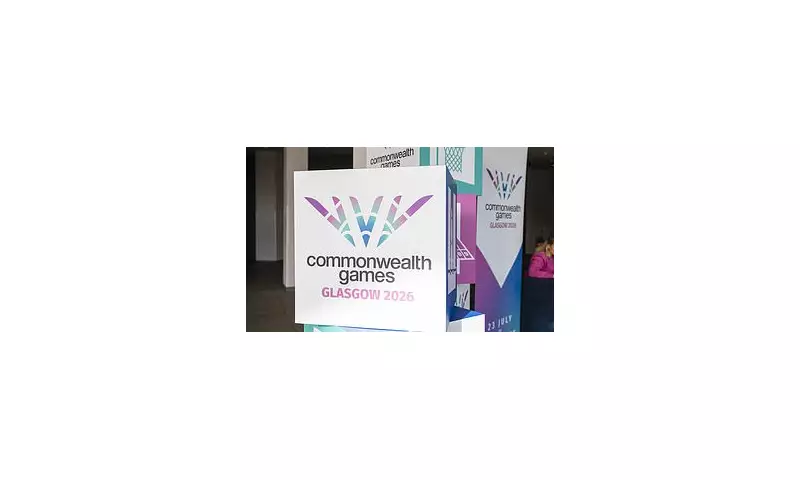
In a historic shift for one of Britain's major sporting events, the BBC has been replaced as the live broadcaster for the Commonwealth Games. The exclusive rights for the Glasgow 2026 edition have been awarded to TNT Sports, part of Warner Bros Discovery, ending a partnership that began in 1954.
The End of a 70-Year Era for the BBC
The national broadcaster had been the main broadcast partner for the Games for 18 consecutive editions, a relationship spanning seven decades. However, it was outbid by the subscription channel, which presented what Games organisers described as an 'excellent' proposal. The decision was reportedly based on several factors, including the volume of hours broadcast, digital capability, and content generation.
This change follows months of speculation about the BBC's commitment, with suggestions of a 'waning appetite' for the event. The loss adds to a growing list of major sporting events that have moved away from the BBC in recent years, including the Boat Race, the Paralympic Games, and The Open golf championship.

What the New Broadcasting Deal Means for Viewers
While the exact cost for viewers remains to be confirmed, the shift to a pay-TV model represents a significant change. TNT Sports plans to offer more than 600 hours of live coverage via a dedicated linear channel in the UK and Ireland, with every sport and event available to stream on HBO Max. This is more than double the hours broadcast from the Birmingham Games in 2022.
Under the Media Act 2024, the Commonwealth Games are a Category B event. This means that while live coverage can be on subscription TV, free-to-air broadcasters must be offered adequate alternative coverage. Consequently, highlights packages and delayed live coverage are expected to be provided on terrestrial television.
A key point for fans is that, as a culturally significant event, the Games will be available on the lowest subscription tier of Discovery Plus (soon to be HBO Max). Instead of a full monthly subscription, viewers could access the action for approximately £4.50.
Political Reactions and the Future of Free-to-Air Sport
The move has sparked concern about the accessibility of major events. Scotland's First Minister, John Swinney, had previously told Daily Mail Sport he wanted to keep the Games on a free-to-air basis, calling it a 'really significant sporting occasion'. Conservative MSP Brian Whittle had even warned that the Games' future could be in doubt without BBC involvement.
Discussions are believed to be ongoing for the BBC to provide some live, free-to-air content in conjunction with Discovery, with a potential deal expected in the coming months.
A 'Re-imagined' Games for a New Era
Glasgow stepped in to host the 2026 event after Australia withdrew due to rising costs. The revised edition, seen as a blueprint for the future, will be a streamlined affair featuring ten sports and six para sports across four city venues from July 23 to August 2, 2027.
Organisers have secured £100 million from Australia and stated no public money will be used, though the UK government will provide financial support if the security threat increases.
Commonwealth Sport CEO Katie Sadleir hailed the new broadcast arrangement as a 'landmark moment', stating it would bring fans closer to the action through more live events and athlete storytelling. Phil Batty, CEO of Glasgow 2026, said the partnership with Warner Bros Discovery 'sets us up for an incredible showcase of sport'.
This pivotal change marks a new chapter for the Commonwealth Games, trading a 70-year tradition of free-to-air coverage for a modern, expansive, but subscription-based model.