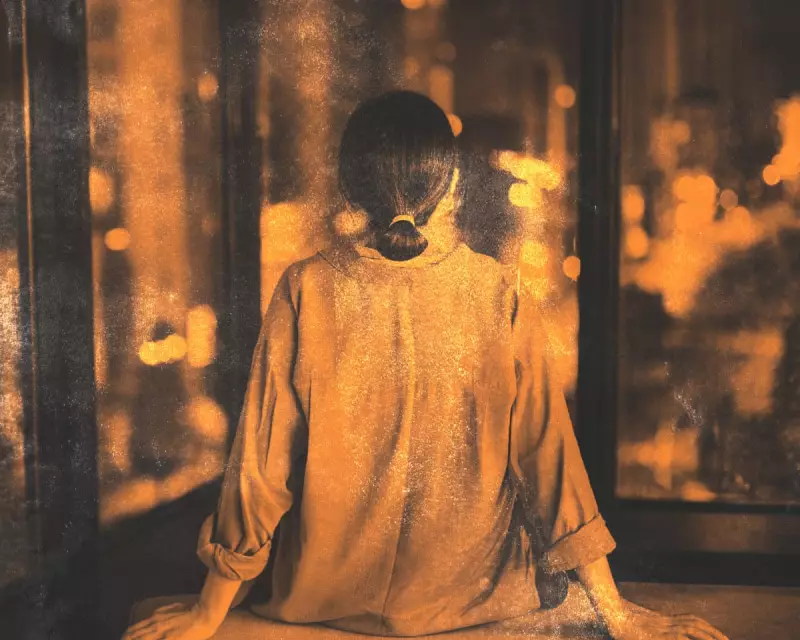
In a stark reflection of modern anxieties, a Chinese app with the blunt name 'Are You Dead?' has surged to the top of download charts, tapping into profound fears of dying alone and unnoticed. Its rise follows a national debate sparked by the lonely death of a 46-year-old Shanghai woman, Jiang Ting, whose body lay undiscovered for some time.
The App That Asks If You're Still Alive
The concept is simple yet macabre. Developed by Moonscape Technologies, the app requires users to press a large green button to check in daily. If a user misses two consecutive days, an automated alert is sent to a designated emergency contact. Co-founder Ian Lü, 29, said the idea emerged from widespread online discussions about a hypothetical tool for solo dwellers.
For professionals like Xiong Sisi, a 43-year-old living alone in Shanghai, the app addressed a very real concern. "I truly worry that, after I die, no one will collect my body," she admitted, having been unsettled by Jiang Ting's story. The app's Chinese name, 'Sileme', is a deliberate play on the ubiquitous food delivery app 'Eleme' (Are You Hungry?), adding a layer of dark, everyday humour.

A Nation Grappling with Isolation and Demographic Shift
The app's viral success is not merely a quirky tech story; it exposes a deep-seated social crisis. China's marriage and birth rates have plummeted to historic lows. In 2024, only 6.1 million couples married, while 2.6 million divorced. This trend, coupled with an intense '996' work culture (9am to 9pm, six days a week), has created what analysts call an epidemic of loneliness.
"People lack a sense of security," explains Xiong, who lives over 500 miles from her parents. Clinical psychologist George Hu, president of the Shanghai International Mental Health Association, notes the psychological toll is amplified by China's scale and competition. "There is not only isolation but anxiety, stress and a sense of helplessness," he states.
By 2030, China could have 200 million single-person households. This shift has birthed a 'loneliness economy', where technology fills the gap left by traditional family structures. Tech analyst Ivy Yang points to the parallel rise of AI companions and 'RedNote feminism', where women, in particular, are choosing independence over marriages they perceive as unequal.
More Than a Gimmick: A Response to Urban Anonymity
Psychologists see the app as a pragmatic, if crude, tool. "If you're isolated or living alone, that one quick push will help you connect to other people," says clinical therapist Zhao Lu from Xi'an. However, George Hu wishes for more nuance: "I wish there was a way to say something like, 'I'm alive, but I'd like some help.'"
The app's provocative name has caused controversy, deemed inauspicious by some. Following feedback, including from former Global Times editor Hu Xijin, the developers attempted to rebrand it as 'Demumu'. However, in a rapid U-turn, they opened naming to public suggestion after the app was removed from China's Apple App Store, possibly due to regulatory scrutiny over 'superstitious' content.
Despite the turbulence, founder Ian Lü has ambitious plans, including a version for the elderly and AI features to detect emergencies like car accidents. He frames the issue as global: "This new 'living alone' group is a global phenomenon. I hope the whole world can pay attention to the safety issues of people living alone." The app, in its unsettling simplicity, has become a stark digital monument to the isolation of modern urban life.