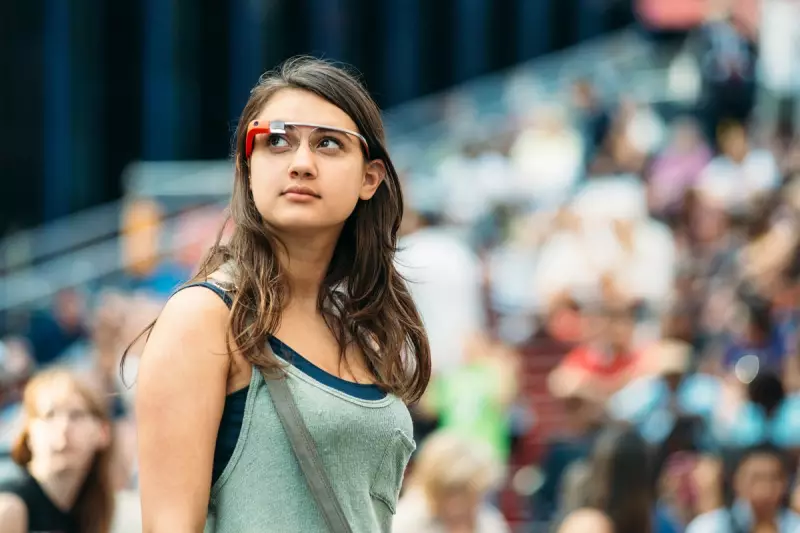
After more than a decade of false starts, Google is preparing for a third major push into the smart glasses market. The tech giant has announced two new AI-powered products set for release in 2026, aiming to overcome the social and design hurdles that plagued its earlier Google Glass efforts.
From Glassholes to Fashion Statements
The journey of smart glasses has been a rocky one for Google. The original Google Glass was announced in 2013 and withdrawn swiftly, followed by a lesser-known enterprise version released in 2017 and discontinued in 2023. A key lesson learned is that successful wearables must integrate into items people already choose to wear, like watches, rings, and conventional spectacles.
Academic research, such as the WEAR scale developed by Noreen Kelly and colleagues at Iowa State University, underscores this. It measures a device's ability to help users reach a goal while not causing social anxiety over privacy or appearing rude. The infamous term "Glassholes" for early adopters highlighted how critical social acceptance is.

Meanwhile, competitors like Snapchat with its Spectacles and, more notably, Meta in collaboration with Ray-Ban and Oakley, have found more traction by prioritising fashion-first designs with embedded cameras and voice AI.
What Google is Promising for 2026
Google's new strategy, announced in December 2025, involves two distinct products. One will be an audio-only model, while the other will feature projections onto the lenses, similar to the original Glass concept. Crucially, Google is marketing them as "AI Glasses," emphasising artificial intelligence integration over mere smart functionality.
Promotional material suggests a significant shift in design philosophy, moving from a futuristic and unfamiliar look to a form factor resembling normal eyewear. "Building glasses you’ll want to wear" is the company's stated goal, and it is working with popular brand partners to achieve it.
The Future of Wearable Sensing
The final, and perhaps most significant, area for innovation lies in sensor technology. Future smart glasses could integrate health-monitoring capabilities, such as heart rate, body temperature, and galvanic skin response. With advances in consumer neurotechnology, tracking brain data via EEG from a pair of glasses could become a reality within years.
Google's potential advantage may also come from deeper integration with its ubiquitous services like Google Search, Maps, and Gmail. Imagine walking through a city with turn-by-turn directions seamlessly overlaid on your field of view.
While the combination of AI and a fashionable design is not entirely novel—Meta's offerings already provide similar features—Google's vast ecosystem and renewed focus on aesthetics could make its third attempt the charm. The market will deliver its verdict in 2026.