Hollywood Stars and Musicians Unite Against AI 'Theft'
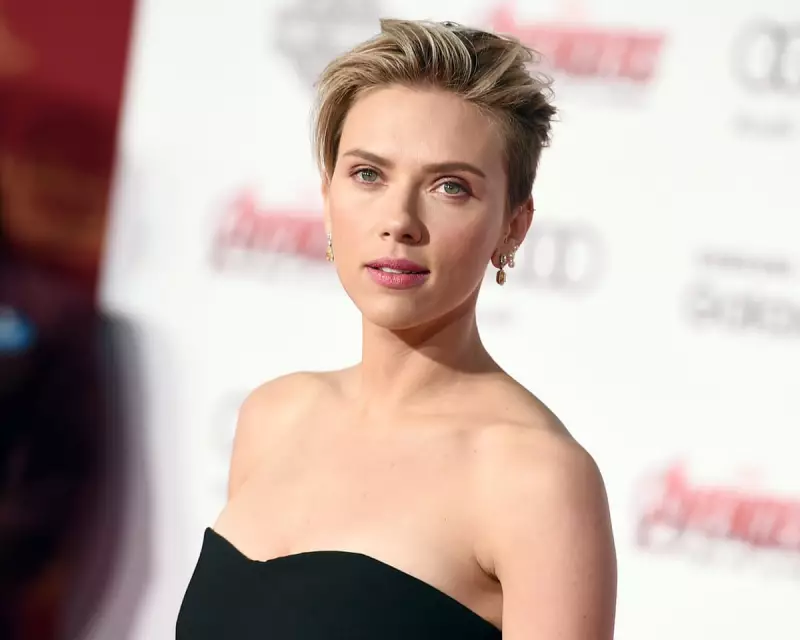
Scarlett Johansson, Cate Blanchett, and hundreds of other creative professionals have launched a powerful campaign accusing artificial intelligence companies of stealing their work. The initiative, titled "Stealing Isn't Innovation," has garnered support from approximately 800 artists, writers, musicians, and performers who are demanding that tech firms seek proper licensing agreements instead of scraping creative content without permission.
The Core Argument: Innovation Versus Exploitation
The campaign's central statement delivers a blunt message to the AI industry. It asserts that using American creators' work to build AI platforms without authorisation or regard for copyright law constitutes theft, not progress. The signatories argue that artists, writers, and creators of all kinds are banding together with a clear position: stealing their work is neither innovation nor advancement—it's simply theft.
The statement specifically urges AI companies to pursue licensing deals and partnerships with creative industries, acknowledging those firms that have already taken this route. For instance, OpenAI has signed agreements with content owners including Disney and the Guardian, while Warner Music Group has established a licensing deal with AI music generator Suno.

The Copyright Conundrum in AI Development
Copyright remains one of the most contentious issues within artificial intelligence development. The models that power chatbots like ChatGPT or image generators such as Grok Imagine rely on vast amounts of data harvested from the open web to create their responses. Creative professionals maintain that tech companies should seek permission before using such material and that creators should receive appropriate compensation when they grant consent.
OpenAI and other AI firms have countered these arguments by claiming that using material available online falls under "fair use," a US legal doctrine that permits use of copyright-protected work without the owner's permission in certain circumstances. As of last year, dozens of lawsuits had been filed in the United States addressing the intersection of AI and copyright issues.
Scarlett Johansson's Personal Experience with AI
Scarlett Johansson found herself personally drawn into the AI debate earlier this year when OpenAI's voice assistant utilised her vocal likeness without authorisation. The actor expressed being "shocked, angered and in disbelief" by this development, prompting OpenAI to subsequently remove the voice from ChatGPT. This incident highlights the very personal impact that AI appropriation can have on individual creators.
Other notable signatories to the campaign statement include actor Joseph Gordon-Levitt, Breaking Bad creator Vince Gilligan, and singer Cyndi Lauper. Gilligan previously described AI as the "world's most expensive and energy-intensive plagiarism machine," capturing the creative community's growing frustration with technological appropriation.
Organisational Backing and Industry Response
The "Stealing Isn't Innovation" campaign has been organised by the Human Artistry Campaign, whose supporters include influential industry bodies such as the Writers Guild of America, the Recording Industry Association of America, and the actors' trade union SAG-AFTRA. This union notably went on strike in 2023, partly over concerns regarding AI's impact on creative professions.
In the United Kingdom, the government has faced criticism for proposing regulations that would allow AI firms to use copyright-protected work without initially seeking artists' permission, unless creators actively signal their wish to "opt out" of the process. Technology Secretary Liz Kendall recently indicated that the government is seeking a "reset" on these plans through an official review scheduled for publication in March.
The campaign represents a significant moment in the ongoing dialogue between technological innovation and creative rights, with high-profile figures lending their voices to demand greater protection and fair compensation in the age of artificial intelligence.