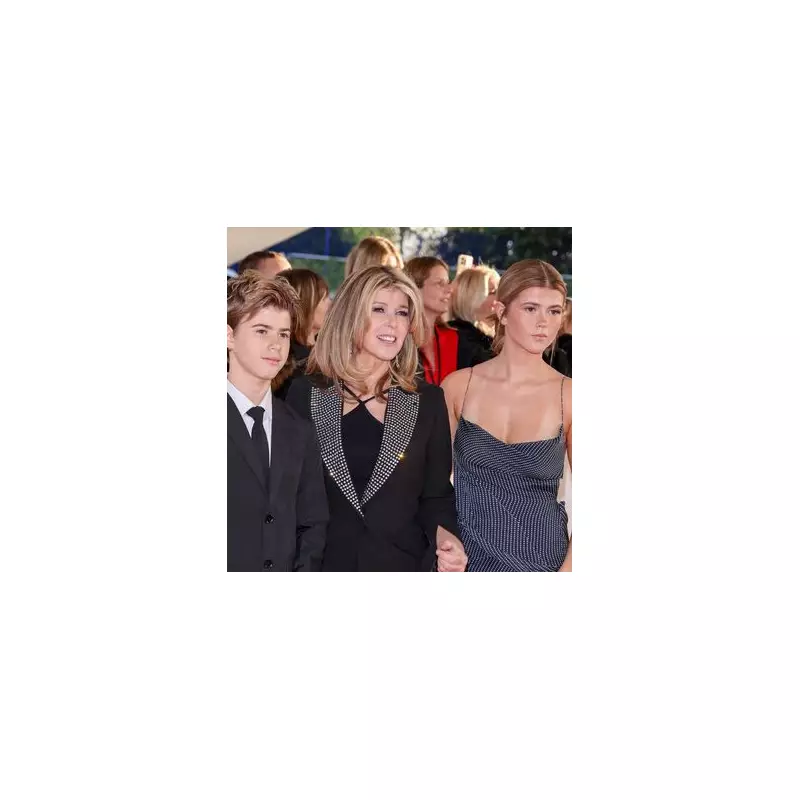
Television presenter Kate Garraway has spoken out about the deeply unsettling consequences of being targeted by AI-generated deepfake images, which falsely depicted her with a new romantic partner.
The initial laugh that turned to concern
The Good Morning Britain host, 58, who lost her husband Derek Draper in 2024 after his long health battle following Covid, initially tried to brush off the fabricated pictures. She admitted to finding early rumours linking her to friends like co-stars Ben Shephard and Richard Arnold amusing, even joking about the suggestions.
However, the situation escalated when artificial intelligence began creating more convincing, entirely fictitious content. Garraway revealed that for over a year, people have been incorrectly congratulating her on this non-existent relationship, with friends calling and strangers stopping her in the street.

A mother's protective instinct kicks in
The turning point came when she saw a headline generated by an algorithm: “Everything you need to know about Kate Garraway’s new boyfriend.” While she was "flabbergasted and intrigued", one fabricated detail cut deep. It falsely claimed her 16-year-old son was unhappy and wanted her to end the "relationship".
"It stopped me cold," Garraway stated. She fiercely defended her son, who has already endured the loss of his father, insisting he is "the opposite" of being obstructive to her happiness. This moment triggered her "mum instinct" and made her realise the potential damage such fakes could inflict on her children and Derek's wider family.
The wider warning about trust and truth
Garraway's experience has led her to issue a stark warning about the rapid rise of AI and its power to erode reality. "When everything can be faked, proof starts to lose its meaning," she cautioned, noting how easily she herself has been fooled by convincing online content.
She expressed profound worry about how we can trust what we see in an age where "an increasing number of images and videos are entirely fake, but look and sound real." Once public trust is broken, she argued, it becomes extremely difficult to restore.
The broadcaster is now urging people to slow down and question what they consume online. She advocates teaching the next generation that healthy scepticism is a vital skill, not cynicism, in navigating a digitally manipulated world.