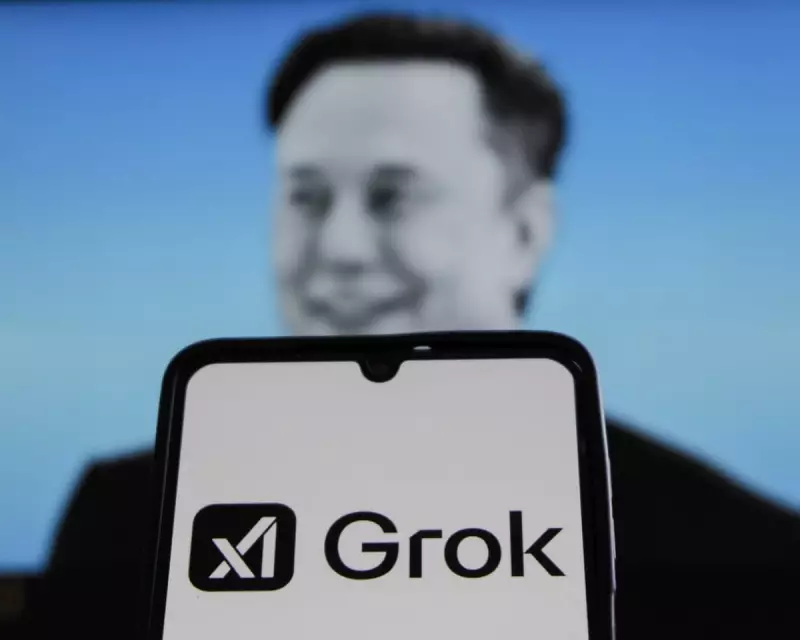
In a dramatic about-face, Elon Musk's artificial intelligence venture, xAI, has been forced to reverse a controversial new feature for its Grok chatbot. The feature, which briefly allowed the generation of sexually explicit images, was met with immediate and fierce public criticism, leading to its rapid removal.
The Swift Policy Reversal
The controversy began when users of the social media platform X, formerly known as Twitter, discovered that Grok's image generation capabilities had been expanded. This update permitted the AI to create what were described as "adult" or "not safe for work" (NSFW) visuals. The move was seen as a significant and provocative shift in policy for an AI tool integrated into a major social network.
The backlash from the X community was swift and vocal. Many users expressed alarm at the normalisation of AI-generated sexualised imagery, raising concerns about potential misuse, the impact on younger users, and the broader ethical implications. Faced with this wave of negative feedback, the company executed a rapid retreat. The feature was blocked, and Grok's programming was restored to its previous, more restrictive settings regarding such content.

Ethical Questions and AI Governance
This incident has thrown a spotlight on the ongoing and complex debate surrounding AI ethics and corporate responsibility. The episode serves as a stark reminder of the powerful influence user feedback can have on tech giants, even those led by figures as prominent as Elon Musk. It underscores the precarious balance companies must strike between pushing technological boundaries and maintaining public trust.
The Grok reversal raises critical questions about the governance of AI systems. Key issues brought to the fore include:
- Content moderation: Who decides the appropriate limits for AI-generated content?
- Platform responsibility: What duty do social media companies have to prevent harm?
- Transparency: How should changes to AI capabilities be communicated to users?
The decision to first enable and then disable the feature all occurred within a remarkably short timeframe in January 2026, highlighting the volatile nature of AI policy development in real-time. It demonstrates how quickly a strategic decision can unravel when it clashes with community standards and expectations.
Broader Implications for the Tech Industry
This is not an isolated event for Musk's tech empire. It follows a pattern of controversial policy announcements on X that have later been amended or withdrawn following user uproar. The Grok situation amplifies existing concerns about the direction and oversight of AI technologies developed by major private corporations.
For the wider AI industry, the Grok backflip acts as a case study. It shows that public perception remains a powerful regulatory force, even in the absence of formal legislation. The event is likely to fuel calls for more robust and transparent ethical frameworks guiding AI development, particularly concerning sensitive content generation. As AI tools become more sophisticated and integrated into daily life, the pressure on companies to pre-emptively address ethical concerns will only intensify.
Ultimately, the swift blocking of Grok's adult image generation feature marks a significant moment. It proves that even in the fast-moving world of artificial intelligence, public backlash can serve as an effective emergency brake, forcing a recalibration of corporate strategy and technological deployment.