Government Consults on Social Media Ban for Under-16s Amid Parental Concerns
The UK government has launched a significant three-month consultation to explore the possibility of implementing a blanket ban on social media access for children under the age of 16. This move follows growing anxiety among parents and policymakers about the profound impact of digital platforms on young people's mental health and development.
Parental Vigilance in the Digital Age
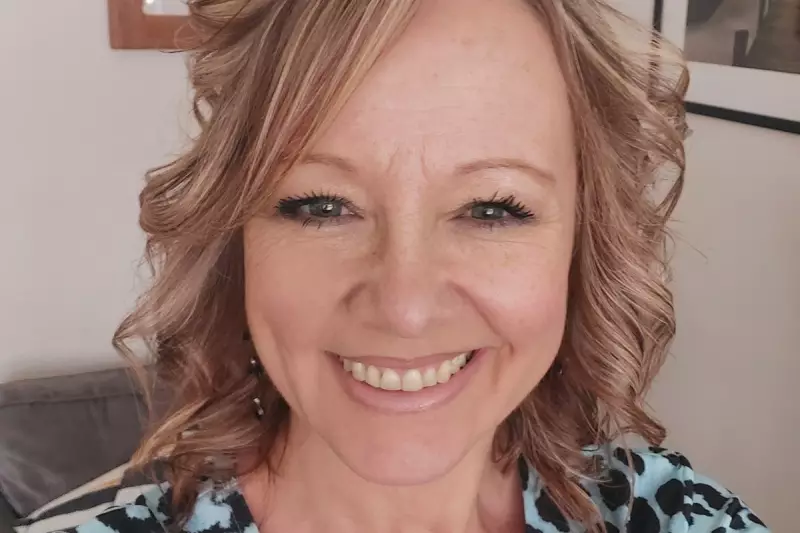
Karen Burke, a 55-year-old mother from Tunbridge Wells, represents many parents who feel they are in a constant battle against their children's smartphone usage. She describes being "constantly" checking her own device, worried about her 13-year-old daughter's online activities. Despite employing monitoring applications to track and restrict usage, Ms Burke has discovered her daughter attempting to circumvent these digital safeguards, including secretly using her mother's phone to alter app settings.
"I believe my daughter has become addicted to her device, just like so many other teenagers," Ms Burke admitted, expressing strong support for the proposed ban. She highlighted the social pressures children face, noting that while she would prefer to restrict access until age 18, the reality of peer influence makes this challenging. "It's the pressure of being different from everyone else – they just want to be like their friends," she explained, suggesting that a universal restriction would level the playing field.

Political Momentum Behind the Proposal
The government's consultation comes after substantial political pressure, including an open letter from more than 60 Labour MPs urging Prime Minister Sir Keir Starmer to implement comprehensive restrictions. These parliamentarians reported constituents describing children as increasingly "unhappy" and "anxious" due to social media exposure. Sir Keir has previously indicated that "no options are off the table" regarding youth social media use, potentially opening the door for the UK to follow Australia's example, where similar restrictions were enacted last December.
Divergent Parental Perspectives
While some parents enthusiastically support restrictive measures, others question whether a blanket ban addresses the fundamental issues.
Nicola, a 47-year-old mother from the New Forest with children aged six and nine, advocates for even stricter measures, proposing the ban should extend to age 18. She argues that social media companies have operated with insufficient regulation for too long, exposing children to what she sees as exclusively negative influences. "I can see all the negatives, but I can't see any positives," she stated, emphasizing that children should be "free to be children" without digital pressures undermining their self-confidence and social development.
In contrast, Jodie Lopez, a 47-year-old former primary school teacher now working in educational technology, expresses reservations about prohibitionist approaches. While acknowledging concerns about social media, she worries that an outright ban might simply postpone problems until children reach 16 without developing responsible usage skills. "I would much rather work with my children to teach them about social media when they are young enough to still need to listen to me," she explained, highlighting how social platforms can benefit isolated children by expanding their social networks.
Educational Approaches Versus Regulatory Solutions
David Paton, a 48-year-old headteacher at Radnor House School in Sevenoaks and father of three, supports initial restrictions but emphasizes the need for broader educational strategies. Having implemented a smartphone ban at his school a decade ago, he has witnessed firsthand how reduced device usage increases face-to-face social interaction among students.

"I think we need to have a much broader discussion between legislators, educators, and parents about how we are bringing children up today," Mr Paton asserted. He advocates for equipping children with critical thinking skills to navigate digital environments responsibly, rather than relying solely on prohibitive measures. While supporting the proposed ban as a positive first step, he stresses that it must be part of a comprehensive approach involving digital literacy education and parental guidance.
The government's consultation will now examine these complex perspectives as it determines the most effective approach to protecting young people in an increasingly digital world, balancing safety concerns with practical implementation challenges.