Understanding the Boundaries of Sleep-Tracking Technology
Millions of individuals across the globe now depend on wearable devices to monitor their sleep patterns, but experts are urging users to recognise the inherent limitations of this technology. From smartwatches and rings to specialised sensors, these devices have become ubiquitous in modern health monitoring, yet they don't directly measure sleep states. Instead, they infer sleep quality from secondary signals like heart rate variability and movement patterns, raising significant questions about data reliability and appropriate interpretation.
The Science Behind Sleep Measurement
According to Daniel Forger, a mathematics professor at the University of Michigan who researches sleep wearable technology, most health and fitness trackers employ similar fundamental approaches. Whether it's an Apple Watch, Fitbit, Oura Ring or countless competitors, these devices primarily record the wearer's movements and heart rate during rest periods. Forger notes that while algorithms from major brands have become remarkably accurate at determining when someone is asleep, their ability to estimate specific sleep stages remains less precise than laboratory-based studies.
"If you truly want definitive measurements distinguishing non-REM sleep from REM sleep, that's where in-lab studies demonstrate clear superiority," Forger explains. The sleep-tracking devices market in the United States generated approximately $5 billion in 2023, with market research firm Grand View Research projecting this revenue to double by 2030. As these devices continue gaining popularity, understanding their capabilities and constraints becomes increasingly crucial for users.

Clinical Perspectives on Sleep Data Interpretation
Dr. Chantale Branson, a neurologist and professor at Morehouse School of Medicine, frequently encounters patients presenting sleep scores from fitness trackers, sometimes fixating on granular details like specific REM sleep measurements from particular nights. Branson emphasises that these patients are adopting misguided approaches to sleep monitoring. While devices can help identify trends over extended periods, they shouldn't be viewed as definitive measures of sleep health, nor should any single night's data be considered particularly significant.
"We would have believed patients reporting sleep difficulties with or without wearable devices and worked to determine underlying causes," Branson states. "That diagnostic function represents what wearables cannot accomplish." She recommends that individuals who regularly check morning sleep statistics would benefit more from focusing on sleep hygiene practices, including establishing relaxing bedtime routines, avoiding screen exposure before sleep, and ensuring comfortable sleep environments.
Balancing Benefits and Potential Pitfalls
Forger maintains a more favourable perspective toward sleep-tracking devices, suggesting they help maintain awareness about sleep's often-overlooked importance. He recommends them even for people without significant sleep issues, noting they can provide insights that help users refine daily routines and enhance daytime alertness. "Determining whether your biological clock remains synchronised represents a substantial benefit," Forger observes. "Even with adequate sleep duration, sleeping at incorrect times reduces sleep efficiency."
Real-world experiences demonstrate how sleep data can drive behavioural changes. Kate Stoye, an Atlanta-area middle school teacher, purchased an Oura Ring after hearing positive feedback from friends using it for fertility tracking. She found the device equally helpful for sleep monitoring, noticing that alcohol consumption consistently correlated with poorer sleep quality, prompting her to eliminate drinking. "I identified little reason to drink knowing it would affect how I feel," Stoye remarks, adding that she also recognised through data patterns the importance of avoiding late-night eating for optimal rest.

When Monitoring Becomes Problematic
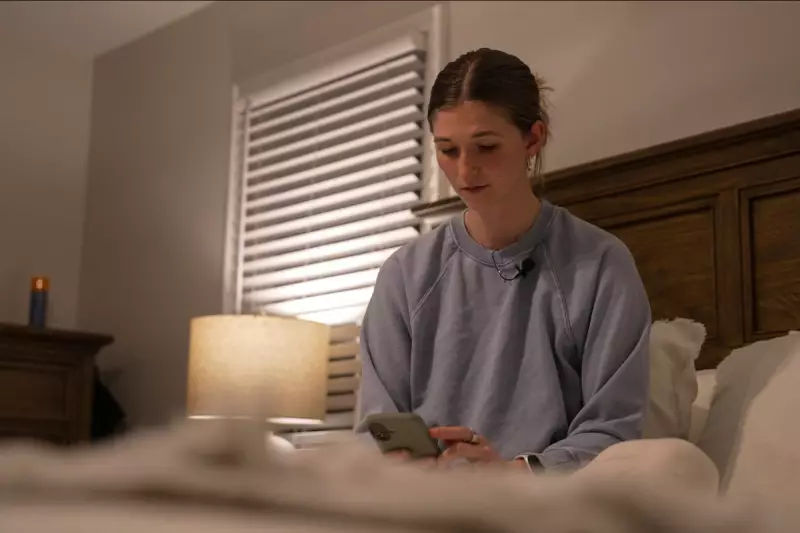
However, sleep tracking can sometimes create unintended consequences. Mai Barreneche, who works in advertising in New York City, initially found her Oura Ring helpful for developing good sleep habits and maintaining morning exercise routines. As someone naturally inclined toward metrics, she eventually became "obsessed" with nightly sleep scores to the point of experiencing anxiety—a modern phenomenon researchers have termed "orthosomnia." "I recall going to bed contemplating the score I would receive in the morning," Barreneche remembers.
After deciding not to wear her ring during a beach vacation several years ago, she never resumed using it. While maintaining the beneficial habits the device highlighted, she eliminated the stress associated with nightly score monitoring. Dr. Branson has observed similar score-induced anxiety among some patients, particularly those setting specific REM sleep targets or comparing nightly scores with friends using identical devices. She cautions that comparing sleep types and stages proves ill-advised since individual requirements vary considerably based on age, genetics and numerous other factors.
"These devices should help you," Branson emphasises. "If you experience anxiety, worry or frustration about sleep data, then the technology isn't serving its purpose, and consulting a professional becomes advisable."
The Future Potential of Wearable Technology
Forger believes wearable technology's promise remains underestimated, with emerging research suggesting future devices could help detect infections before symptom appearance and identify sleep pattern changes potentially signalling depression onset or increased relapse risk. "The body makes fascinating, crucial decisions we remain unaware of to maintain health, activity and appropriate daytime alertness," he explains. "During infections, circadian rhythms rapidly diminish as the body mobilises infection-fighting resources. These represent precisely the patterns wearable technology could detect."
This technology could prove particularly valuable in low-resource communities, where wearables might facilitate quicker health issue identification and remote monitoring without requiring immediate access to physicians or specialised clinics. "An important narrative is emerging about how understanding sleep rhythms and architecture will generally enhance our lives," Forger concludes, highlighting the transformative potential of properly understood and applied sleep-tracking technology.