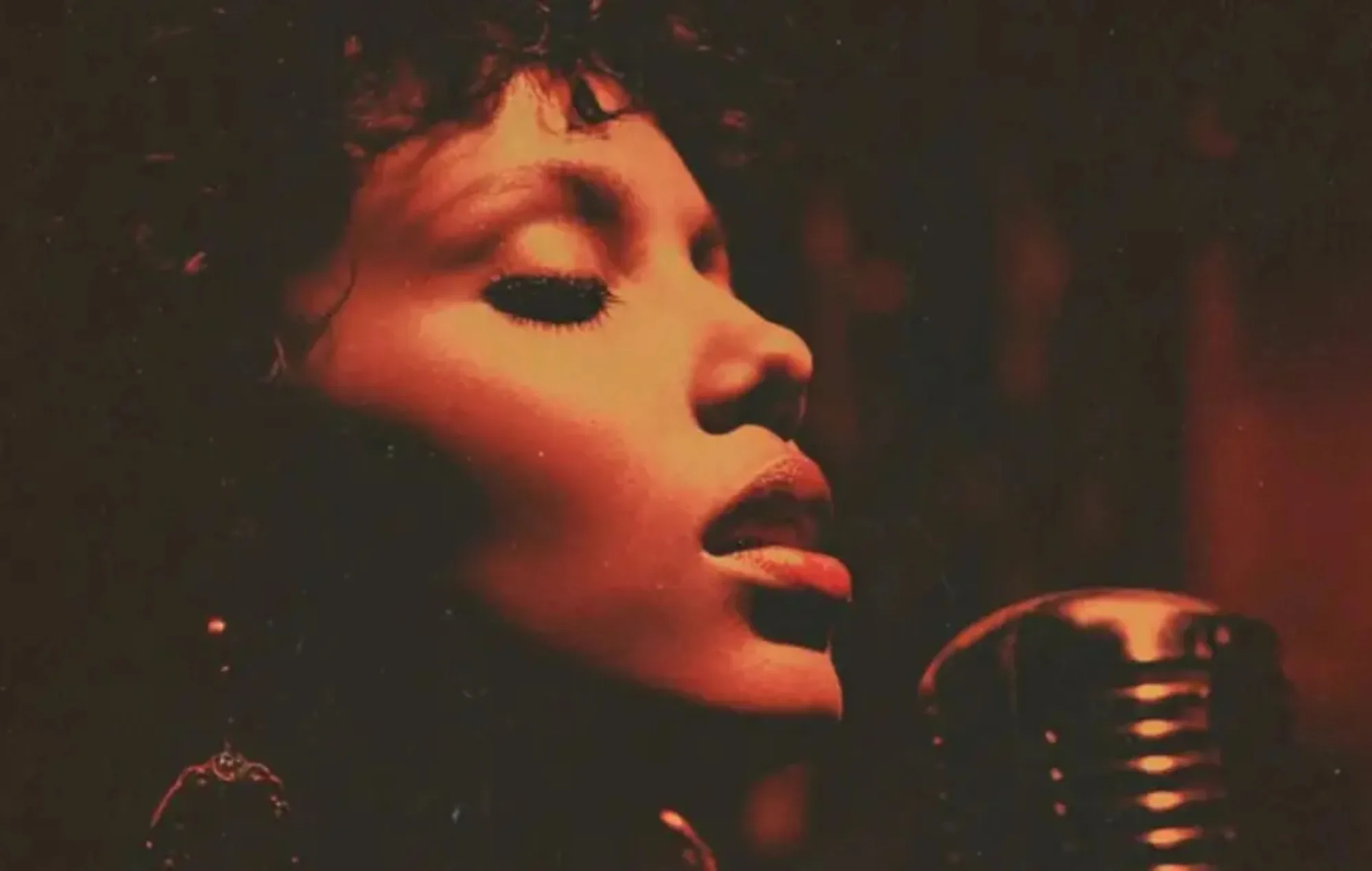
Spotify listeners have been left stunned after suspicions emerged that Sienna Rose, a neo-soul artist with nearly three million monthly listeners, is actually an AI creation. The anonymous singer has no social media presence, has never performed live, and has released songs at an implausible speed, leading fans to question her authenticity.
Rose's music, described as a blend of classic soul and modern R&B, has garnered 2.6 million monthly listeners on Spotify. Three of her tracks—'Into the Blue,' 'Safe With You,' and 'Where Your Warmth Begins'—made it onto Spotify's Viral 50 USA playlist this month. However, streaming platform Deezer confirmed to the BBC that many of her albums and songs are flagged as AI-generated on their service.
The debate around Rose's legitimacy has been ongoing for about a year but was reignited after Selena Gomez posted an Instagram carousel of the Golden Globes soundtracked by Rose's 'Where Your Warmth Begins,' which has since been removed. Fans noticed tell-tale clues such as her lack of social media, no live performances, and an extraordinary release rate of at least 45 tracks between September and December last year.

This is not the first time an AI-generated artist has climbed the charts. Last year, the AI band The Velvet Sundown gained around 400,000 monthly Spotify listeners before being revealed as a hoax. AI artist Xania Monet also made headlines after signing a multimillion-dollar record deal and becoming the first AI artist to chart on US Billboard rankings, sparking criticism from real artists like Kehlani.
The music industry is struggling to contain the AI boom. Bandcamp recently banned AI music from its platform, and Cardiff rock group Holding Absence hit out at an AI 'band' that overtook them on Spotify, calling it 'shocking, disheartening, and insulting.'