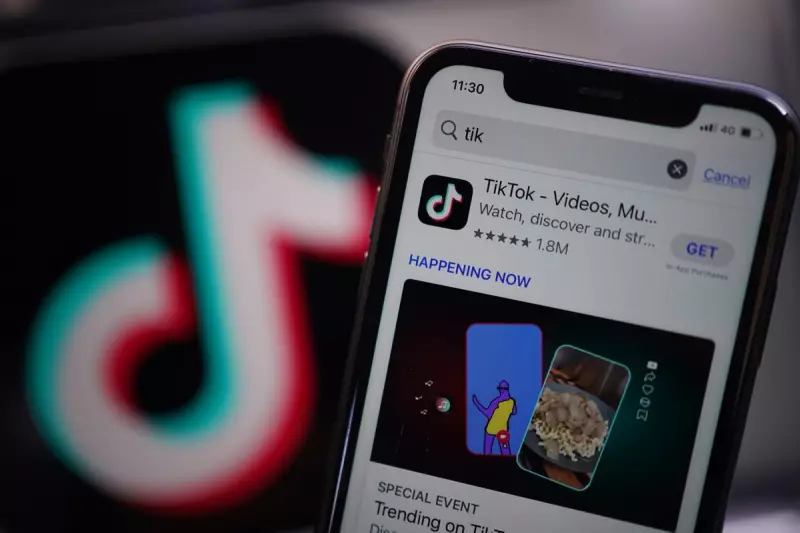
TikTok is preparing to launch significantly strengthened age verification checks across Europe within weeks, aiming to identify and delete accounts held by children under the age of 13. The move comes as Prime Minister Sir Keir Starmer faces mounting political pressure to implement a blanket social media ban for under-16s in the United Kingdom.
How TikTok's New Age Verification Technology Will Work
The platform will utilise new technology designed to predict whether a user is underage. This system will analyse a combination of factors, including the information provided in a user's profile, the content of videos they publish, and their general behaviour on the app. Accounts flagged as potentially belonging to under-13s will then be passed to human moderators for a final review and potential removal.
This proactive step by TikTok unfolds against a contentious political backdrop in the UK. Sir Keir Starmer is under increasing pressure from within his own party, with over 60 Labour MPs advocating for him to introduce a social media ban modelled on a recent Australian law, which would prohibit access for those under 16.

Political Pressure for a UK-Wide Social Media Ban
The Prime Minister has stated that "all options are on the table" when it comes to protecting children from potential harms online. This position has found an unlikely ally in Conservative Party leader Kemi Badenoch, who has also expressed support for exploring stringent measures.
However, the push for a wholesale ban is not without its critics. Several prominent online safety and children's charities have voiced strong opposition to the idea. They caution that such a sweeping prohibition could foster a false sense of security among parents and, more worryingly, could drive young users towards less regulated and potentially more dangerous online spaces.
Charities Warn Against a 'False Sense of Security'
The charities argue that a combination of robust age verification technology, like that being introduced by TikTok, coupled with comprehensive digital literacy education and parental guidance, represents a more nuanced and effective approach to online child safety.
As the new age checks roll out in Europe, all eyes will be on Westminster to see if the political momentum for a radical ban continues to build or if a more measured policy response will prevail.