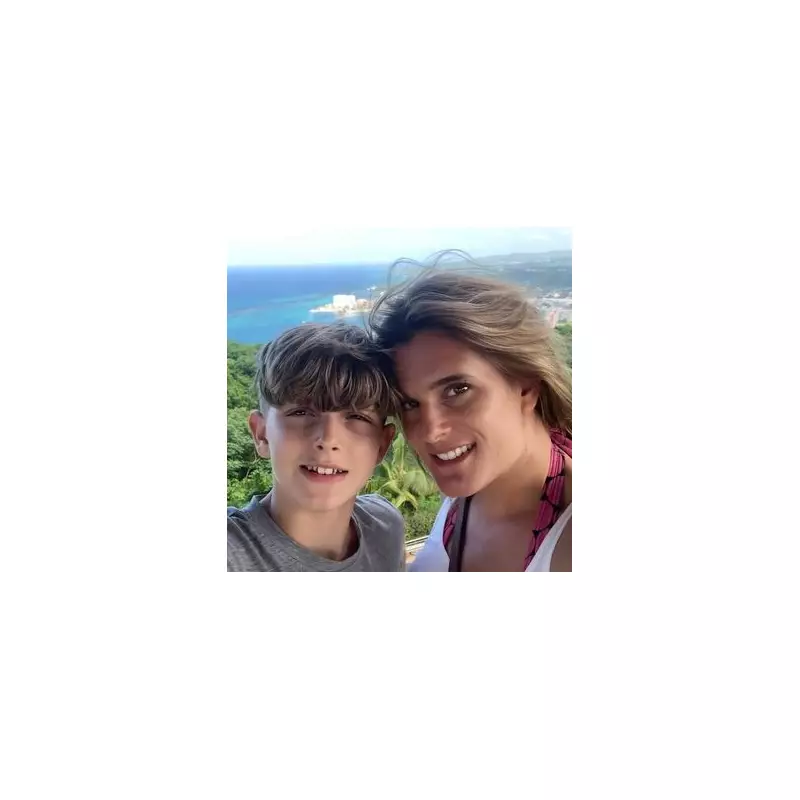
Mother's Heartbreaking Legal Battle Against TikTok Over Son's Tragic Death
A grieving mother has launched an emotional legal campaign against social media giant TikTok, pleading for access to what her teenage son was viewing on his phone during his final moments before his untimely death.
Ellen Roome, 49, is spearheading a wrongful death lawsuit alongside other bereaved parents against ByteDance, the Chinese technology corporation that owns the popular video-sharing platform. This collective action represents a significant challenge to how social media companies handle sensitive user data following tragedies involving young people.
The Tragic Loss That Sparked a Legal Crusade
Ellen's world shattered in April 2022 when she discovered her 14-year-old son, Jools Sweeney, unconscious on his bedroom floor at their family home in Cheltenham, Gloucestershire. Despite frantic attempts to revive the happy-go-lucky teenager, who was known as Julian to his family and was a budding chef with bright prospects, paramedics pronounced him dead at the scene.

"I know everything about Jools' last day on Earth up to about the final half hour of his life — offline at least," Ellen revealed in an emotional interview. "And I won't stop until I know exactly what happened during those last minutes."
The Frustrating Search for Answers
In the bewildering aftermath of her son's death, Ellen became increasingly concerned about potential links to dangerous online "challenges" circulating on social media platforms. One particularly alarming trend, often referred to as the "blackout challenge," involves deliberately restricting oxygen to induce a brief euphoric state from near-unconsciousness. When miscalculated, this dangerous activity can rapidly lead to seizures, permanent brain damage, and tragically, death.
Despite these concerns, the coroner at Jools' inquest recorded what is known as a narrative verdict, explicitly stating he could not return a verdict of suicide as he "couldn't be sure Jools was in a suicidal mood." This ambiguous conclusion left Ellen with more questions than answers about her son's final moments.
Facing Corporate Stonewalling
Desperate for clarity, Ellen approached various social media companies requesting access to her son's account data, hoping to understand what content he might have been engaging with before his death. Instead of cooperation, she encountered what she describes as systematic obfuscation and corporate stonewalling from technology firms.
"The fact we were there at all tells you everything you need to know about these companies," Ellen stated poignantly. "Parents should not have to cross continents to fight multinational technology companies just to find out what happened to their child when they die."
By March 2024, her determination had grown so strong that she sold her business to fund her ongoing legal battle for access to her son's app data. She is simultaneously applying to the High Court for a fresh inquest, hoping a coroner might successfully apply for Jools' digital records where she has been repeatedly denied.
The Legal Battle Intensifies
The wrongful death lawsuit, filed in Delaware where TikTok is incorporated, represents a multifaceted challenge to the platform's policies and legal protections. Last week, TikTok's legal team attempted to have the case dismissed, citing established United States law that typically shields platforms from liability for third-party content posted by users.
Despite this procedural challenge, the case continues to move forward, with Ellen and other parents seeking not only access to their children's data but also greater accountability regarding what content TikTok permits on its platform. The court is expected to deliver an outcome within the next ninety days.

Emotional Courtroom Ordeal
Following the first hearing last week, Ellen left the courtroom in tears, overwhelmed by the legal process that has transformed her personal tragedy into abstract legal arguments. "The lawyer told me that simply getting this far is a 'win'," she shared, "but it doesn't feel that way when the loss of your child is being reduced to abstract points in a courtroom. It was incredibly painful. At one point during the hearing I wrote in my notebook, 'I'm angry and I'm sad.'"
TikTok's Response and Ongoing Concerns
TikTok maintains that it has blocked content promoting the specific online challenge that Ellen and other parents believe contributed to their children's deaths since 2020. A company spokesperson expressed their "deepest sympathies" to the affected families and reiterated that "content that promotes or encourages dangerous behaviour" is strictly prohibited according to platform policies.
Nevertheless, this case highlights broader concerns about social media platforms' responsibilities toward vulnerable users, particularly minors, and the accessibility of user data to families following tragedies. As digital platforms become increasingly embedded in young people's lives, the tension between corporate policies, legal protections, and parental rights continues to generate complex ethical and legal questions that remain largely unresolved.