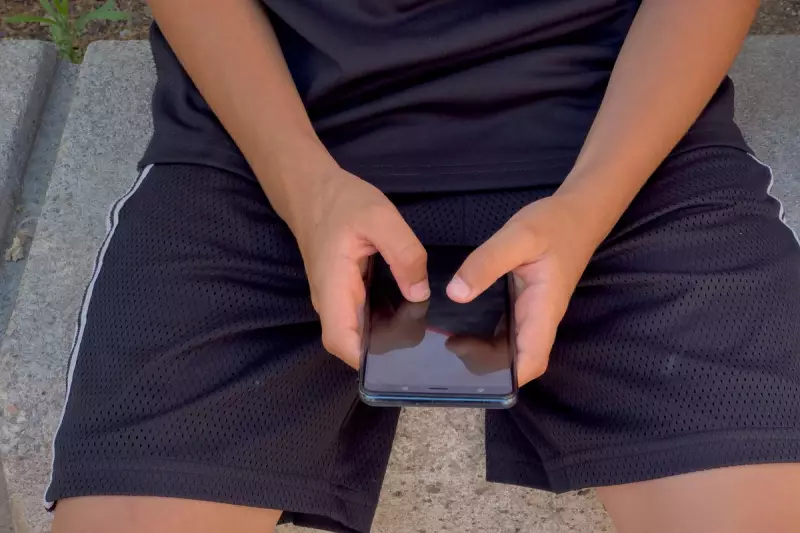
French lawmakers have approved a groundbreaking bill that will prohibit children under the age of 15 from accessing social media platforms. The legislation, which also enforces a ban on mobile phone usage within high schools, was passed with overwhelming support in the National Assembly by a vote of 130 to 21 late on Monday.
A Swift Legislative Process
President Emmanuel Macron has personally requested that this legislation be fast-tracked through the parliamentary process. The bill will now proceed to the Senate for discussion in the coming weeks, with the intention of implementing the measures at the beginning of the next academic year in September.
Macron's Strong Stance
"Banning social media for those under 15: this is what scientists recommend, and this is what the French people are overwhelmingly calling for," President Macron declared following the decisive vote. He emphasised the fundamental principle behind the legislation, stating: "Because our children's brains are not for sale — neither to American platforms nor to Chinese networks. Because their dreams must not be dictated by algorithms."

Broad Political Support
Remarkably, this issue has managed to attract substantial cross-party support within a typically divided National Assembly. This consensus emerges despite criticism from hard-left factions who have denounced certain provisions of the bill as potential infringements upon civil liberties.
For President Macron, who has faced domestic political challenges following his decision to dissolve parliament, this legislation represents a significant policy achievement. It could potentially stand as one of the final major measures enacted under his leadership before he leaves office next year.
Building on Previous Measures
This new legislation follows the French government's earlier action banning mobile phone usage in all primary and middle schools. The current bill represents a substantial expansion of these protective measures into the digital realm.
European Context and International Momentum
The French vote occurred shortly after the British government announced it would consider implementing similar restrictions on social media access for young teenagers. This forms part of broader efforts to strengthen laws designed to protect children from harmful online content and excessive screen time.
The French legislation has been carefully crafted to comply with the European Union's Digital Services Act, which establishes stringent requirements aimed at ensuring internet user safety. In November, European lawmakers called for coordinated action at EU level to protect minors online, including proposals for a bloc-wide minimum age of 16 and bans on the most harmful digital practices.
Alarming Statistics
According to France's national health watchdog, concerning data reveals the extent of smartphone usage among young people. Their research indicates that one in two teenagers spends between two and five hours daily on smartphones. A December report highlighted that approximately 90% of children aged 12 to 17 use smartphones daily to access the internet, with 58% utilising these devices specifically for social networking.
Documented Harmful Effects
The health watchdog's report identified a range of detrimental effects associated with social media usage among young people. These include diminished self-esteem and increased exposure to content promoting risky behaviours such as self-harm, drug use, and suicide. The seriousness of these concerns is underscored by several French families who have initiated legal proceedings against TikTok, alleging connections between teen suicides and harmful content on the platform.
Scope and Exemptions
The French ban will not extend to all online platforms. Specific exemptions include online encyclopedias, educational or scientific directories, and platforms dedicated to the development and sharing of open-source software.

International Precedents
Australia provides a notable precedent, having implemented a ban on social media platform usage for those under 16. Officials report that social media companies have subsequently revoked access to approximately 4.7 million accounts identified as belonging to children. The Australian legislation prompted extensive national debates concerning technology use, privacy, child safety, and mental health, while simultaneously encouraging other nations to contemplate similar protective measures.
As France moves forward with this pioneering legislation, it joins a growing international movement seeking to establish clearer boundaries and protections for young people in the increasingly complex digital landscape.