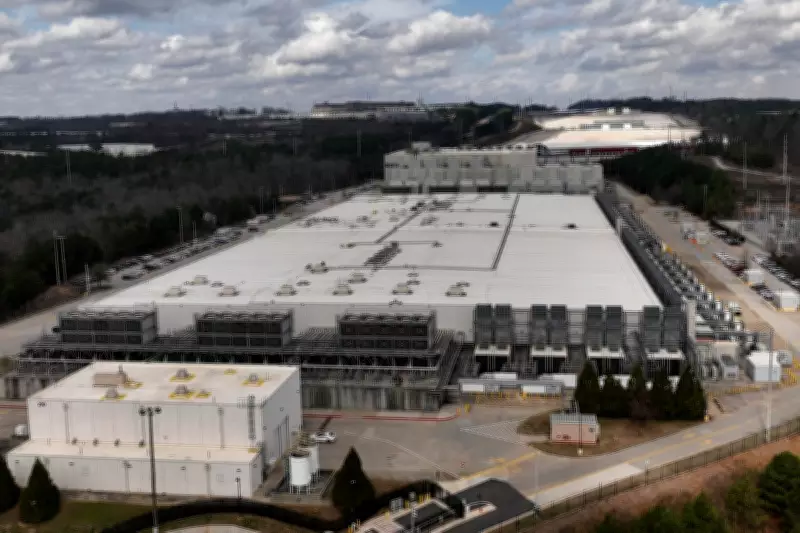
Maine Imposes Historic Moratorium on Energy-Hungry Data Centers
Maine has become the first state in the nation to enact a statewide moratorium on energy-intensive data centers, signaling a significant shift in political opposition to the massive structures operated by tech giants. The legislation, passed by the state's Democratic-controlled legislature, imposes a freeze of over a year on data centers above a certain size and establishes a special council to assist towns in evaluating potential projects.
Growing Political Backlash Against Tech Infrastructure
The bill arose in response to community concerns about data centers' voracious appetite for electricity and water, which have stoked fears of blackouts and rising utility bills. Despite Maine not being a primary destination for hyperscale data centers, a couple of local proposals generated intense backlash, propelling the measure quickly through the legislative process. Lawmakers approved sending the bill to Governor Janet Mills, a Democrat who is currently running for U.S. Senate, with her office yet to comment on whether she plans to sign it.
Democratic Representative Melanie Sachs, the bill's sponsor, emphasized that the moratorium is not an outright ban but a pause to assess the tradeoffs. "Frankly, the tradeoffs have not been shown to be of benefit to our ratepayers, water usage, or community benefit in terms of economic activity," she stated.

Industry Concerns and Economic Implications
Opponents of the moratorium, including the Data Center Coalition, argue that it could deter developers from investing in Maine, depriving the state of economic opportunities and skilled labor development. Dan Diorio of the coalition warned that the move sends a message that the state might impose blanket bans on industries deemed politically unfavorable.
Supporters, however, highlight the need for greater transparency and community input in data center projects. Joe Oliva, a spokesperson for the Maine Broadband Coalition and GrowSmart Maine, noted that the moratorium aims to ensure local communities have a say in development processes. "If this is going to come, we want to be in early and often on the conversation," he said.
National Context and Broader Opposition
Maine's action is part of a broader trend of increasing resistance to data centers at local and state levels across the United States. Proposals for moratoriums have been introduced in at least a dozen states, though none have passed a legislative chamber until now. In states like Virginia, Michigan, and Wisconsin, similar bills have emerged as communities grapple with balancing economic benefits against environmental and infrastructural concerns.
In Ohio, residents are attempting to bypass the legislature by gathering signatures for a ballot measure to permanently ban hyperscale data centers, requiring over 400,000 signatures by July 1. Meanwhile, in South Dakota, a one-year moratorium bill failed in a Senate committee amid opposition from power plant owners and developers, with the governor arguing that such planning is best handled locally.
This growing opposition reflects a national debate over the role of data centers in the AI race with China, with tech giants enjoying high-level support from figures like former President Donald Trump, while voters and analysts raise alarms about energy consumption and grid stability.