Maine's Groundbreaking Moratorium on AI Data Centers
America's artificial intelligence boom is confronting its first significant rebellion, originating from an unexpected location. The tranquil coastal state of Maine has taken decisive action to curb the rapid proliferation of data centers that power AI systems, enacting a pioneering ban that could derail major development projects across the region.
The Legislative Response to Growing Concerns
Lawmakers in Maine have approved comprehensive legislation imposing an 18-month moratorium on constructing large-scale data centers. This dramatic measure risks billions of dollars in potential investment and numerous employment opportunities that such facilities typically generate. The proposed law specifically targets any new data center consuming more than 20 megawatts of power, effectively blocking such developments until at least November 2027.
This legislative pause provides officials with crucial time to conduct thorough impact assessments and formulate new regulatory frameworks. The move highlights escalating national opposition to the infrastructure underpinning artificial intelligence, driven by mounting fears about skyrocketing electricity bills, environmental degradation, and the sheer physical scale of these facilities proliferating throughout the United States.

Health and Environmental Implications
Scientific warnings about potential health hazards have intensified concerns surrounding data center expansion. Researchers have raised alarms about these facilities emitting dangerous pollutants linked to serious health conditions including asthma, cancer, and even premature mortality. These data centers, utilized by technology giants like Google and Microsoft to power everything from advanced chatbots to comprehensive cloud computing services, can consume electricity at rates comparable to entire municipalities.
Maine's situation is particularly acute as the state contends with some of the nation's highest residential electricity prices. Elected officials express legitimate concerns that a surge in data-center power demand could further inflate already burdensome energy costs for consumers. The legislation carries a $95,000 appropriation to fund a specialized panel that will develop policy recommendations and guidelines aimed at mitigating the impact of future data center developments within state boundaries.
Governor Mills' Exemption Push
Although the bill has successfully passed both legislative chambers and received approval from the Legislature's appropriations committee, its ultimate fate rests with Governor Janet Mills. The governor has not explicitly stated whether she will sign the measure into law or exercise her veto power, as she actively advocates for exempting a proposed $550 million data center project at the former Androscoggin paper mill in Jay.
This specific facility ceased operations in March 2023, representing another casualty of Maine's historic lumber industry that has suffered significant setbacks from international trade policies. According to the Maine Forest Products Council, employment within the state's forest industry has declined by seven percent, amplifying the economic importance of potential replacement projects. Governor Mills emphasized during a recent event in Bangor that 'The people of Jay need those jobs, with appropriate guardrails on preserving water resources, electricity resources, local generation and all those things.'
Broader National Context
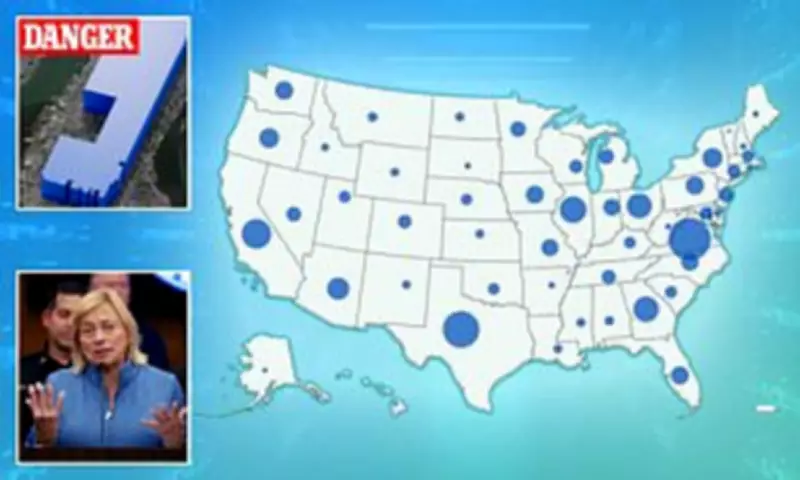
While Maine represents the first state to potentially enact such comprehensive measures statewide, similar legislative efforts are emerging across the country. Lawmakers in New York, South Carolina, and Oklahoma have already introduced proposals to temporarily ban or restrict data center development. Ohio, currently one of the leading states for data-center expansion, has rural activists collecting signatures to place a statewide ban on large data centers on the November ballot.

On a municipal level, counties and cities in Michigan and Indiana have implemented their own temporary pauses, while major urban centers including Denver and Detroit are considering comparable restrictions. The national expansion of AI infrastructure continues to generate substantial tax revenues for local governments that actively court developers, even as these facilities contribute to rising electricity costs for consumers.
Maine's Unique Position and Future Implications
Maine has not attracted hyperscale AI data center developers like Alphabet's Google or Microsoft, partially due to existing opposition. Recent proposals in Wiscasset and Lewiston were either paused or rejected following resident objections. Some development concepts have focused on repurposing abandoned industrial sites, including shuttered mills, while one innovative company has even proposed a $415 million underwater data center off the Maine coastline.
Tony McDonald, the developer behind the Jay data center project, expressed frustration to the Wall Street Journal, noting that construction was scheduled to commence in July before becoming 'caught in this dragnet.' The project promises significant economic benefits including job creation and increased spending in local hotels, shops, and restaurants from construction personnel.
Governor Mills acknowledged appreciating the legislative measure's intent while simultaneously emphasizing the Jay project's potential to deliver much-needed employment, tax revenue, and broader economic development to the region. The governor's office did not immediately respond to media inquiries regarding the pending legislation.